Understand any stock in simple English
Enter a ticker to learn what the company does and how it makes money.
Teltonika IoT Group
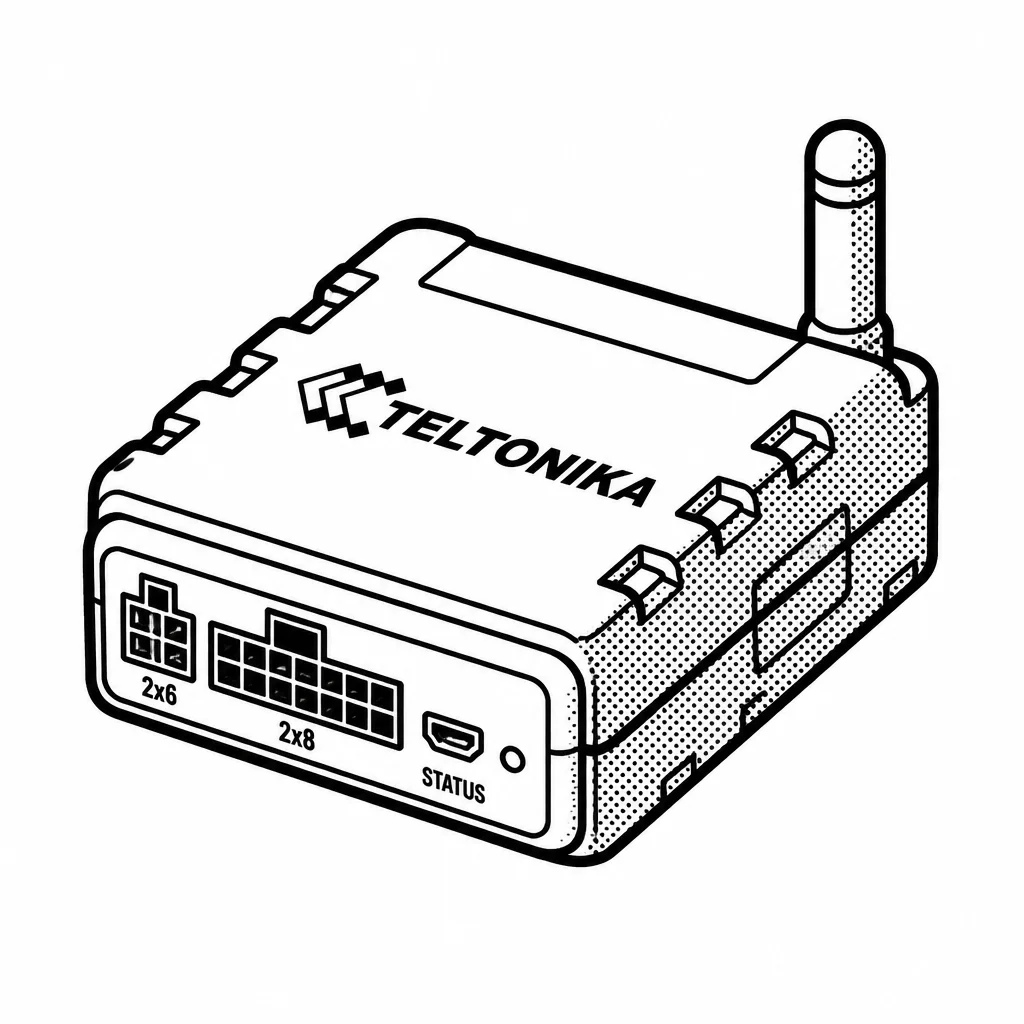
Teltonika makes rugged networking gear, trackers, and remote-monitoring devices that connect machines and vehicles to the internet.
Teltonika is a Lithuanian hardware company that builds the small, tough boxes that connect physical things to the internet. Its best-known products are industrial cellular routers and gateways — the gear that lets a factory machine, a solar farm, an ATM, or a bus send data over a mobile network. It also makes GPS trackers for fleets and vehicle telematics, and network equipment for homes and small offices. Customers are mostly businesses and integrators who need reliable connectivity in places where ordinary Wi-Fi and office routers would fail.
The company sells through distributors and partners in over a hundred countries, and it manufactures most of its own products in Lithuania rather than outsourcing everything to Asia. That in-house manufacturing is unusual for a hardware firm of its size and gives Teltonika tighter control over quality and supply. It also earns money from accessories, software for managing devices remotely, and increasingly from complete solutions rather than bare boxes. Teltonika was founded in 1998 by Arūnas Šikšta and started out making simple telemetry and tracking devices. It has grown fast on the boom in connected machines — the so-called Internet of Things — and now operates as a group of related businesses spanning networking, telematics, and energy products like solar inverters and EV charging. It has also pushed into producing its own printed circuit boards and components, part of a bet that owning more of the supply chain matters as electronics demand keeps rising.
The company remains privately held and family-run, with no stock listing, so it is not something you can buy shares in. Its strengths are engineering, cost control, and a wide global partner network. Its risks are the hardware business itself: thin margins, constant price pressure from cheap Asian rivals, and the challenge of staying ahead on software and security as more of the world's machines go online.
Saved answer · last researched 10 Nov 2026