Understand any stock in simple English
Enter a ticker to learn what the company does and how it makes money.
Zebra Technologies Corporation
Zebra Technologies makes barcode scanners, printers, mobile computers, and tracking software that help businesses keep tabs on their stuff and their workers.
Zebra Technologies is the company that makes the scanners, printers, and handheld computers that keep warehouses, stores, and hospitals running. Every time a package gets scanned, a nurse prints a wristband, or a delivery driver confirms an order, there's a good chance a Zebra device is doing the work.
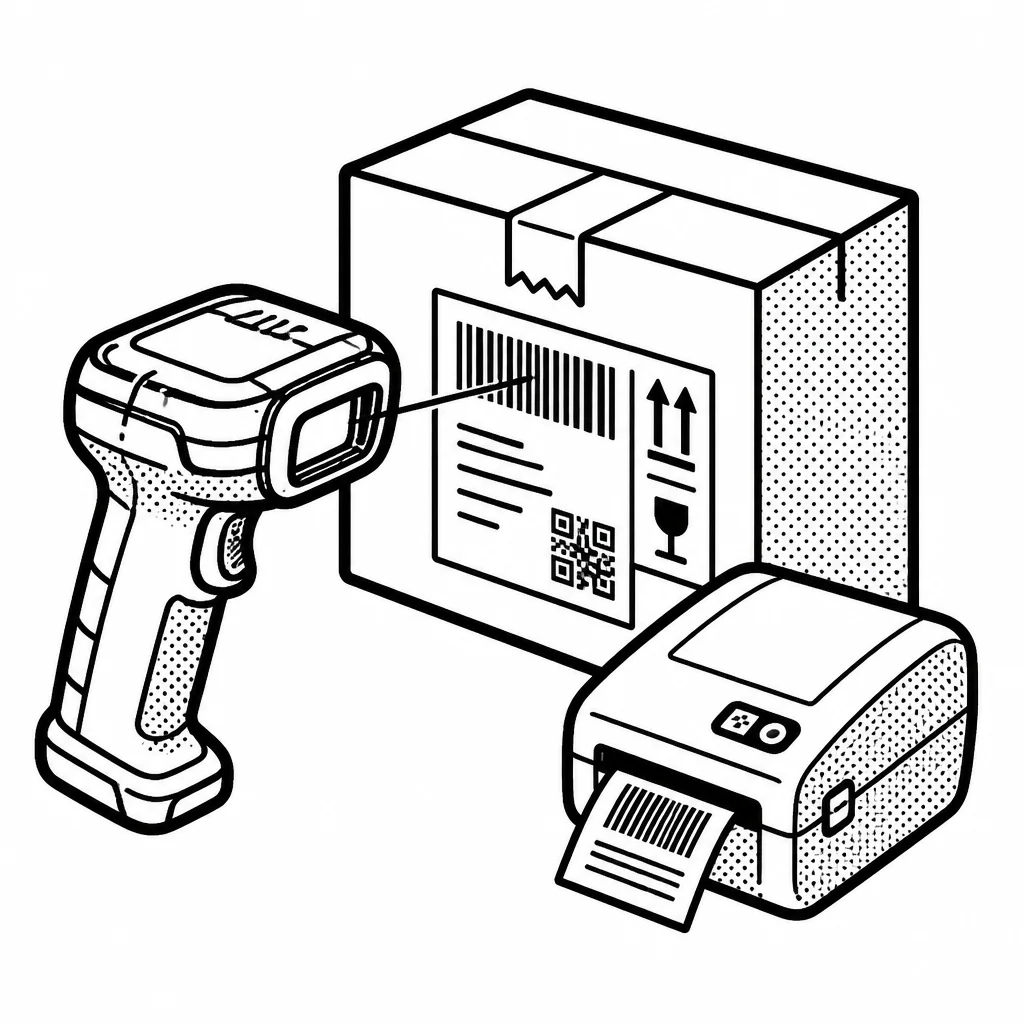
Here's the basic problem it solves. Businesses have stuff—boxes, pallets, medicine, tools—and they need to know where it is, who touched it, and where it's going next. Zebra builds the rugged gadgets that capture that information. Its handheld computers look like thick smartphones with a scanner built in, and they run apps that tell a warehouse worker exactly which shelf to pick from. Its printers spit out barcode and RFID labels that stick to everything. Its software ties it together, so a manager can see the whole operation on a screen. The company also runs a large service and repair business, because when a scanner breaks in a busy warehouse, waiting weeks for a fix is not an option. The customers are the unglamorous engine of the world economy: retailers, shipping companies, logistics firms, manufacturers, hospitals, and postal services. Zebra's devices show up in places like Amazon warehouses and Walmart stores, and it competes with Honeywell International on scanning hardware and with a long list of smaller players on software. The company has spent heavily on acquisitions to grow beyond hardware. The biggest was its purchase of Motorola Solutions' enterprise business, which turned Zebra into a much larger player overnight. More recently it bought Fetch Robotics, which builds autonomous robots that haul carts around warehouses, and Matrox Imaging, a machine-vision company. Those deals push Zebra toward a future where its software and robots do more of the thinking, not just the scanning.
The business is exposed to the economy's mood swings. When retailers overstock and then slam the brakes on spending, as they did coming out of the pandemic, Zebra's orders slow sharply. That boom-and-bust pattern is a real vulnerability. Still, the long-term pull is strong: warehouses keep getting automated, supply chains keep getting more complex, and the devices that track everything need regular replacements. Zebra generates plenty of cash to fund buybacks and acquisitions, and it has a habit of buying back a noticeable chunk of its own shares over time.
Saved answer · last researched 12 Nov 2026
Timeline
Two Engineers Start Data Specialties
In 1969, two young engineers, Ed Kaplan and Gary Cless, put in a thousand dollars and started a company called Data Specialties. Their idea was simple: build fast machines that used tiny physical movements to do useful work. That little shop would one day grow into Zebra Technologies.
The First Zebra Printer
For years the company made a living from general electromechanical products, but then it found a better problem to solve: printing labels and tickets on demand. At a Dallas trade show it showed off its first bar code label printer and called it The Zebra. The name stuck, and so did the business.
A New Name and Durable Labels
The Zebra printer did so well that the whole company took its name, becoming Zebra Technologies. Not long after, Zebra built its first thermal transfer printer, a machine that uses heat to bond ink onto labels so they survive harsh conditions. That design became the industry standard for tough, long-lasting labels.
Zebra Goes Public
By 1991, Zebra was ready to sell shares to the public, listing on NASDAQ. The money helped it grow fast. By the end of that year, it held more than a quarter of the bar code industry, a big jump for a company that started with a thousand dollars.
An All-Plastic Printer
A year later, Zebra earned industry attention for its first industrial bar code label printer made entirely of plastic. It was a sign the company could keep pushing its core product forward.
Zebra Merges with Eltron
In 1998, Zebra joined forces with Eltron International, a maker of desktop printers and photo ID card printers. The merger widened Zebra's lineup and brought it closer to more everyday customers.
A New CEO Takes Over
After decades of building the company, founder Ed Kaplan stepped back, and Anders Gustafsson became only the second CEO in Zebra's history. Handing the wheel to a new leader marked a new chapter for a company still run like a founder's shop.
The Motorola Enterprise Bet
Zebra made its boldest move yet: buying Motorola Solutions' Enterprise Division for three and a half billion dollars. That business brought mobile computers, advanced data capture, and the Symbol and Psion product lines, turning Zebra from a label printer maker into a broader data company. But stitching it all together cost more than expected, and the integration added a couple hundred million dollars in extra expense.
Robots, Vision and Retail AI
Zebra went shopping again in 2021, picking up Fetch Robotics for autonomous mobile robots, Adaptive Vision for machine vision software, and Antuit.ai for AI-powered retail analytics. Each deal nudged the company past printing and toward the software and automation that surround it.
Bill Burns Becomes CEO
In 2023, Anders Gustafsson handed the top job to Bill Burns, who had been at Zebra since 2015 as Chief Product & Solutions Officer. Gustafsson stayed on as Executive Chairman, keeping a steady hand near the wheel.
Workcloud and the WS50
Zebra rolled out Workcloud, a suite of software built for retail, banking and healthcare, and introduced the WS50, the first wearable Android touch computer. The message was clear: Zebra was no longer just selling printers, it was selling tools that workers wear and software they run.
Zebra Buys Elo Touch
Zebra announced it would buy Elo Touch Solutions, a touch screen maker, for 1.3 billion dollars in cash. The deal pushed Zebra into new territory across retail, healthcare, industrial and hospitality, and expanded the market it could chase by roughly eight billion dollars.
Record Sales and AI Upgrades
Zebra closed the story with record quarterly sales, over 1.6 billion dollars and up 11% organically, and raised its full-year outlook to about 17% growth. AI-enabled mobile computing, Elo Touch and strong demand in transportation, logistics and healthcare drove the gains. On-device AI pushed customers to upgrade their hardware, and price increases helped offset a 145 million dollar memory cost headwind.