Understand any stock in simple English
Enter a ticker to learn what the company does and how it makes money.
Innoson Vehicle Manufacturing Co. Ltd.
Innoson builds buses, trucks, and cars in Nigeria, making vehicles that many Nigerians can afford and that the country can proudly call its own.
Innoson is a Nigerian vehicle maker that builds buses, trucks, and cars in a factory in Nnewi, a town in the southeast of the country. For decades, Nigeria paid to import nearly every vehicle on its roads, so Innoson's basic pitch is simple: make them here instead. That means cheaper vehicles for local buyers, jobs for Nigerian workers, and a way to keep money inside the country rather than sending it abroad.
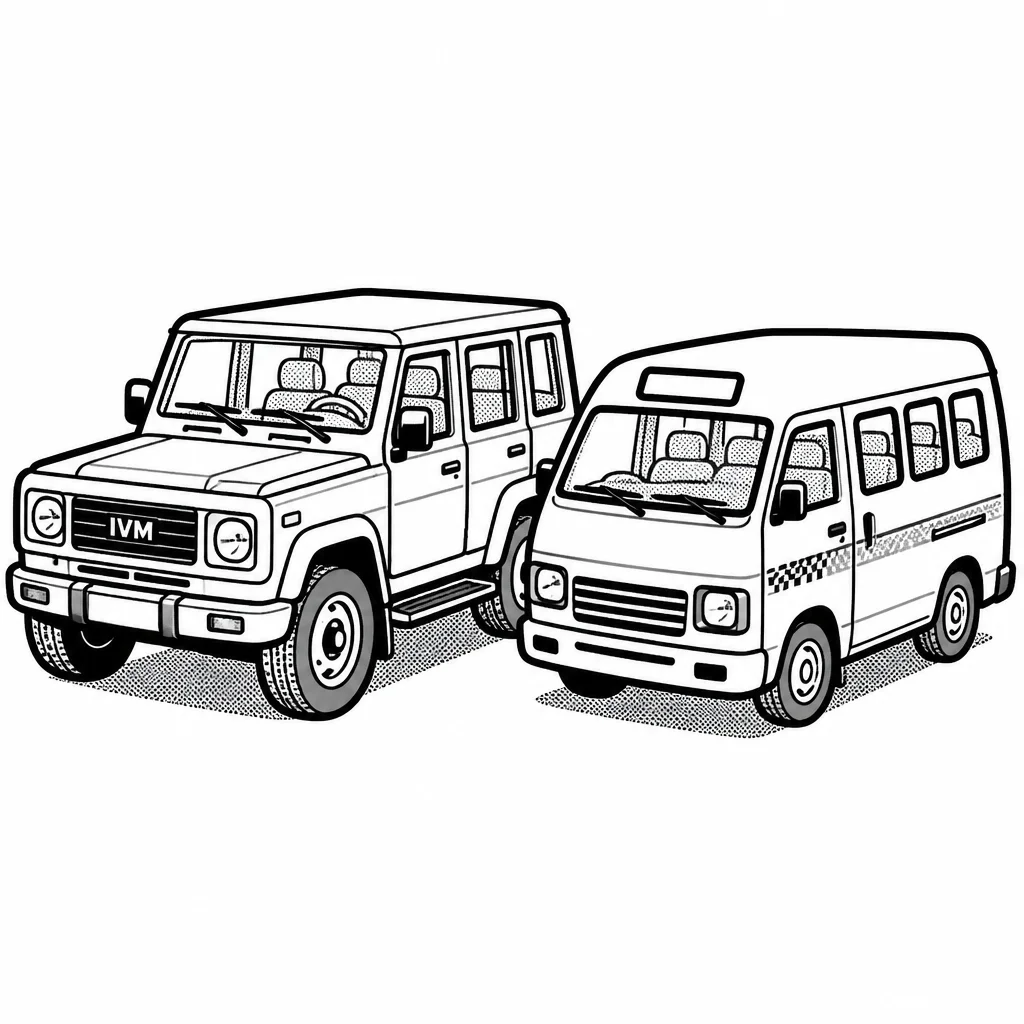
The company was founded by Chief Innocent Chukwuma, who started out as a trader and built a business importing motorcycle parts before moving into motorcycles and eventually full vehicles. The government backed the plan with a policy that protects local carmakers from a flood of cheap imports, which gave Innoson room to grow. Its main products are buses and trucks, the workhorse vehicles that businesses and transport companies rely on, and it also sells passenger cars. Customers choose Innoson partly because the vehicles are cheaper than imported rivals and because spare parts and service are supposed to be easier to get locally. The obvious comparison is with the global giants. Innoson competes with imported brands sold by dealers for Toyota and others, but it faces real problems. Building vehicles from scratch is hard, and Innoson has had to import many of its components, so it is not fully made in Nigeria yet. It has also spent years in legal and financial disputes, and critics say its quality does not match foreign brands. Still, it has become a symbol of the push to industrialize Nigeria, and it has supplied buses to schools, companies, and government transport schemes.
The bigger story is about a country trying to build a car industry from almost nothing. Nigeria has tried before and mostly failed, so Innoson's survival matters beyond its own sales. If it can keep improving quality and making more parts locally, it could become the foundation of a real manufacturing sector. If not, it may remain a small local player in a market dominated by imports. Either way, it is the most visible answer to a question Nigeria keeps asking: can we make our own things?
Saved answer · last researched 10 Nov 2026