Understand any stock in simple English
Enter a ticker to learn what the company does and how it makes money.
Isuzu Motors Limited
Isuzu builds trucks, buses, pickups, and diesel engines and sells them around the world.
Isuzu is a Japanese company that builds trucks. Not the giant highway semis you see hauling freight across America — more often the mid-sized workhorses: delivery trucks, dump trucks, flatbeds, and the light pickups that plumbers and farmers rely on. It also makes buses and diesel engines, and it sells all of this in markets around the world, with Asia and Japan itself as its home base.
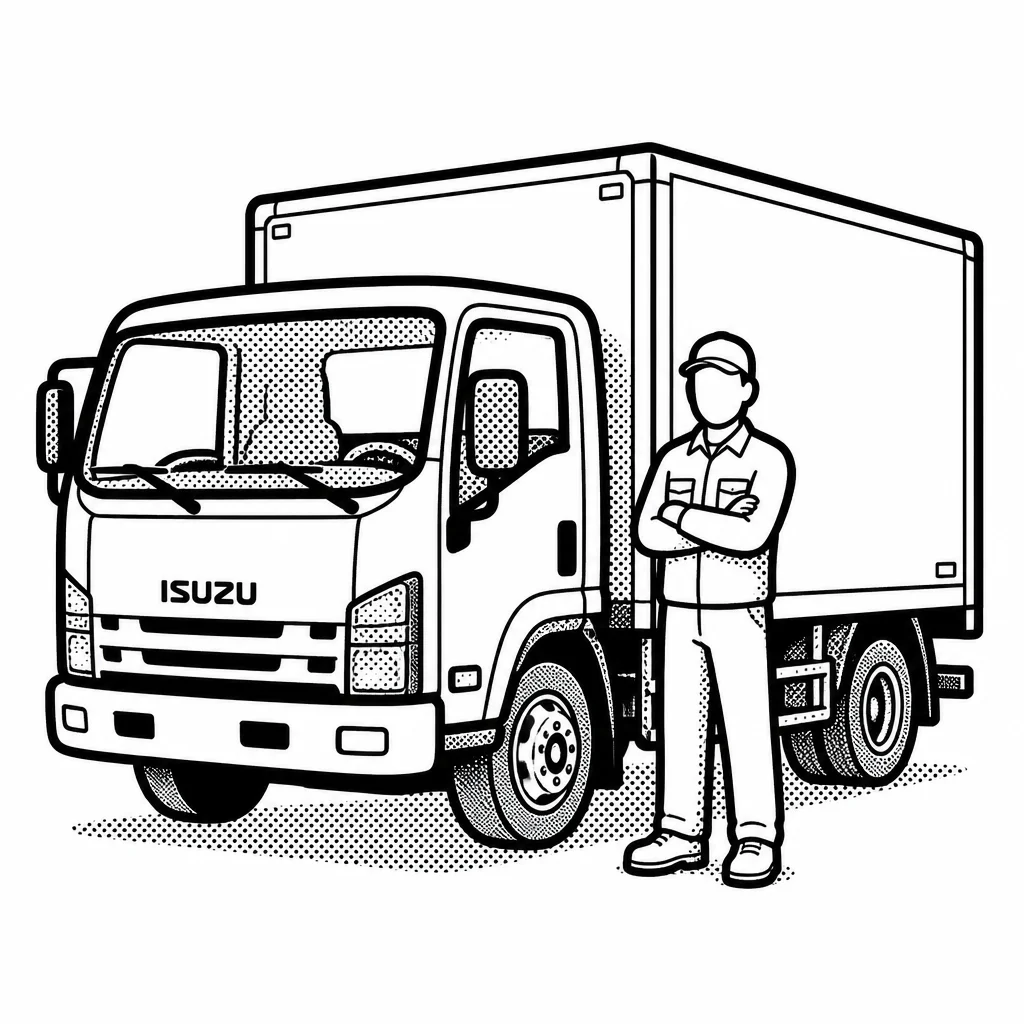
Here's the key thing about Isuzu: it sells commercial vehicles, and commercial vehicles are tools, not toys. A delivery company buys a truck because the truck earns money. That means buyers care about durability, fuel economy, and downtime — a truck in the shop is a truck not making deliveries. Isuzu has built its reputation on exactly those traits, which is why its trucks show up in fleets from Bangkok to Nairobi to Sydney. The company also has a big partnership with Toyota, which owns a stake in Isuzu and works with it on commercial vehicles and fuel technology. Isuzu is not just trucks, though. Its diesel engines are a business in their own right — it sells engines to other manufacturers and industrial users, and that gives it a second leg to stand on when truck demand dips. The company also sells the Isuzu D-Max pickup, which is a genuine global product, popular in Southeast Asia, Australia, and parts of Europe. In the United States, Isuzu is a smaller player, mostly known for commercial trucks rather than consumer vehicles.
The business is cyclical — when construction and freight slow down, truck orders fall, and Isuzu feels it. It also faces tough competition from bigger rivals like Daimler Truck and Volvo in heavy trucks, and from Chinese and Japanese competitors in light trucks. But Isuzu's niche is real: it makes tough, affordable commercial vehicles for people who need them to work every day, and that is a durable position in a lot of the world's markets.
Saved answer · last researched 14 Nov 2026