Understand any stock in simple English
Enter a ticker to learn what the company does and how it makes money.
AB Volvo (publ)
Volvo builds heavy trucks, buses, and construction machines that keep freight and infrastructure moving.
Volvo is one of the world's biggest makers of heavy trucks, and that is the heart of the business. Drive down almost any highway in Europe or North America and you will pass its big rigs hauling containers, timber, or groceries. It also builds buses, construction machines like excavators and wheel loaders, and the diesel and electric engines that power boats and industrial equipment. So the company sits right in the middle of the physical economy: if something needs to be moved, dug, or built, there is a decent chance a Volvo machine is involved.
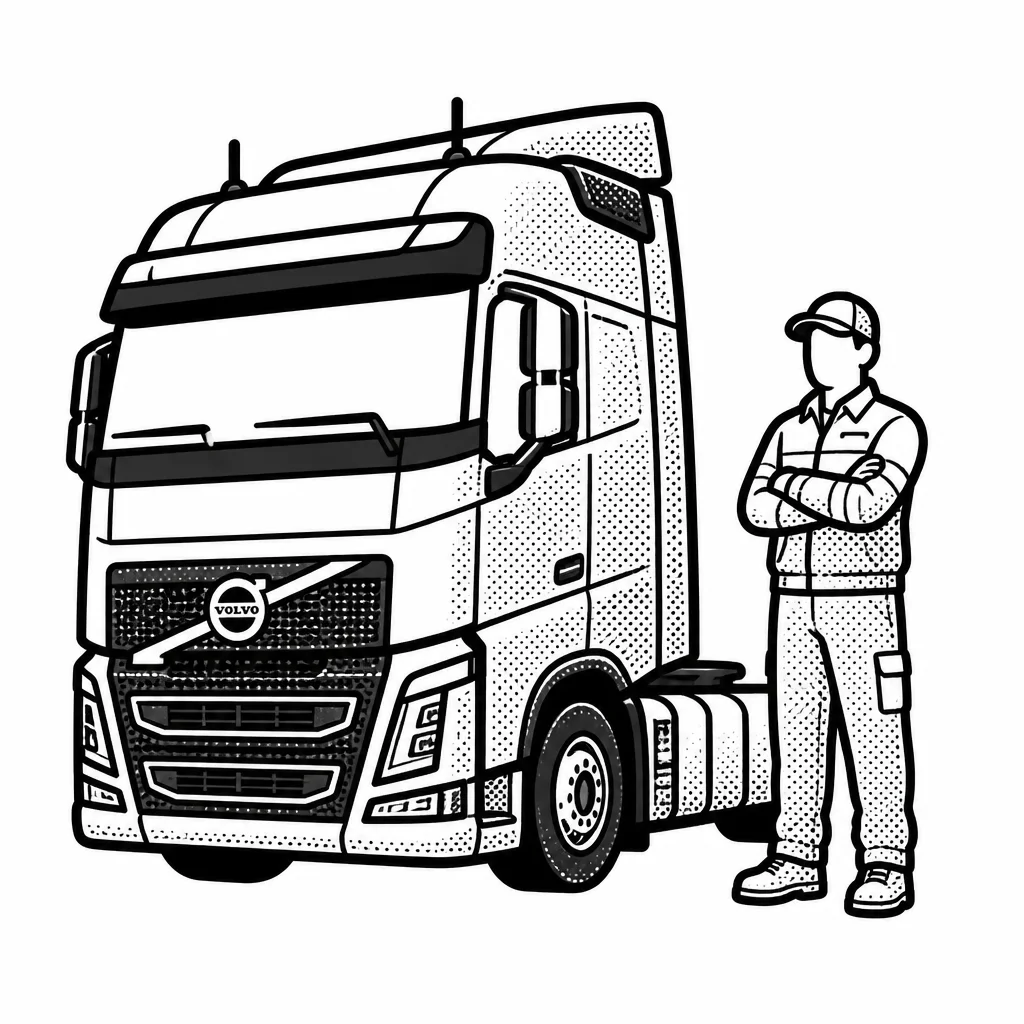
The truck business works in a few connected ways. Volvo sells new trucks to haulage companies and independent drivers, and those machines are expensive, so the sale itself matters. But the steadier money comes after the sale: financing the purchase, servicing the trucks, and selling spare parts over many years. Customers pick Volvo for reliability, a strong dealer network, and the fact that a truck that stays on the road earns money while one in the shop does not. Volvo also owns Renault Trucks, Mack, and a stake in the Chinese truck maker Isuzu Motors, giving it a wide spread across markets. Construction equipment is the second pillar. Volvo sells excavators, loaders, and haulers to builders, quarries, and mining firms, and again the profit comes from machines plus the parts and service that follow. Buses round out the transport side, though they are a smaller piece.
The industry is cyclical, meaning sales surge when economies are strong and freight rates are high, then fall when they cool. Volvo's response has been to push into electric trucks and machines, invest in self-driving and connected vehicle tech, and lean on services to smooth the bumps. It pays steady dividends and buys back shares with the cash it generates. The big risks are familiar: a downturn in construction or freight, tough competition from Daimler Truck and Traton, and the expensive race to go electric.
Saved answer · last researched 12 Nov 2026