Understand any stock in simple English
Enter a ticker to learn what the company does and how it makes money.
Yamaha Motor Co., Ltd.
Yamaha Motor builds motorcycles, boat engines, and small machines like generators and robots, and sells them to people and businesses around the world.
Yamaha Motor makes the things that move you, float you, and power your weekend. It builds motorcycles and scooters for daily commutes and open-road fun, outboard motors and watercraft for people who want to get out on the water, and a long tail of small machines — generators, pumps, golf carts, snowmobiles, and even industrial robots — that quietly do work behind the scenes.
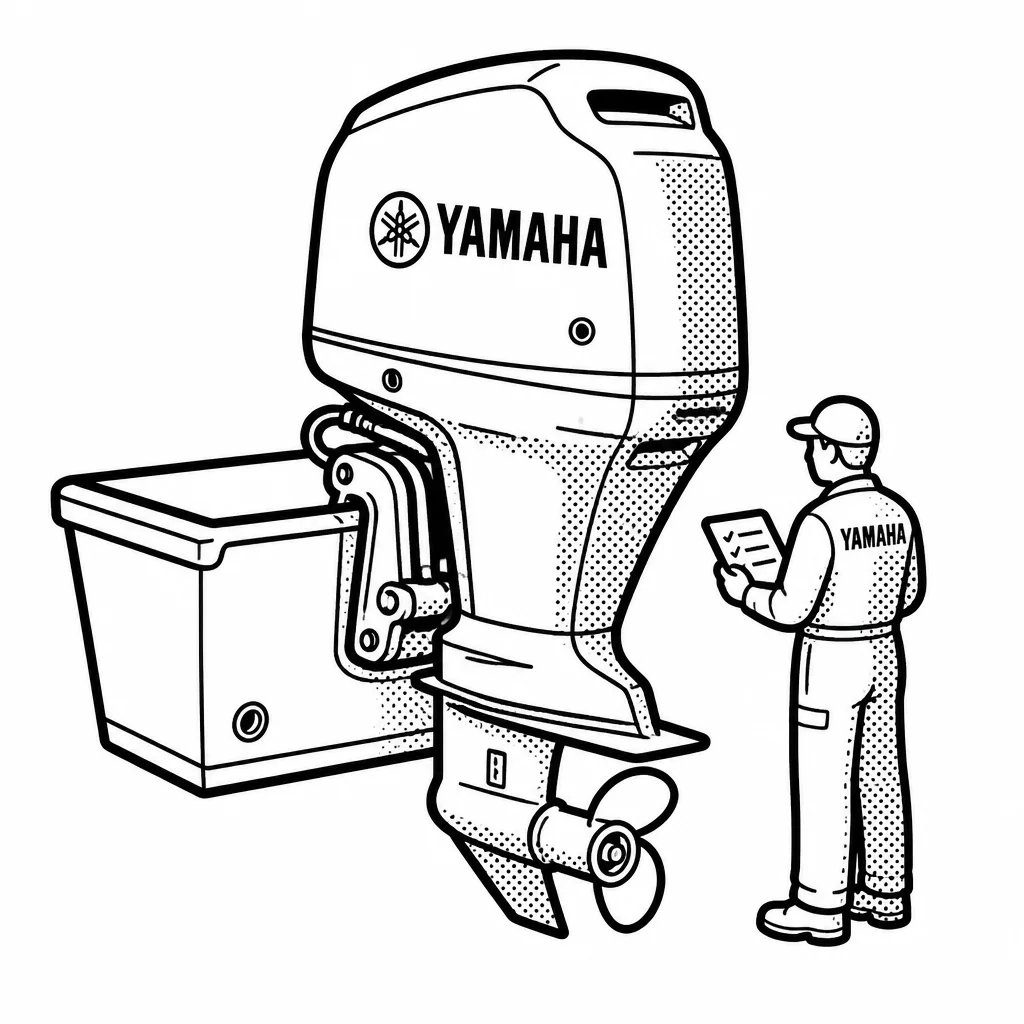
The motorcycle business is the heart of it. Yamaha sells everything from cheap scooters used for delivery and commuting in Asia to high-end sport bikes, and it competes with giants like Honda and Suzuki. The marine side is a genuine powerhouse too: Yamaha is one of the world's biggest makers of outboard boat engines, a market where reliability matters enough that boaters pay real money for a trusted brand. The power equipment and robotics arms are smaller but steady, selling tools and factory automation that keep other businesses running. What makes Yamaha interesting is how it turned engineering know-how into a kind of brand umbrella. The same company that tunes engines for racing also sells you a jet ski and a small generator, and the shared name carries a promise of quality across all of them. It also means the company rides the global economy in several different boats at once — literally. When motorcycle demand sags in one region, boat engines or power products can pick up some of the slack. The company is headquartered in Iwata, Japan, and it has deep racing roots — its machines have won championships for decades, and that racing pedigree is part of why customers trust the brand. It pours money into research and development to keep its engines clean and competitive as emissions rules tighten worldwide, and it has been pushing into electric motorcycles and connected features. The main risks are simple: it depends on people having spare cash for discretionary toys, and it faces fierce price competition from Asian rivals in its biggest motorcycle markets.
Yamaha's cash flow mostly goes back into the business — new models, factory capacity, and the R&D needed to keep pace with electric and cleaner combustion technology. It has also returned money to shareholders through dividends and share buybacks over the years. The bet is straightforward: keep the brand trusted, keep the engines winning races and customers, and let the same name sell motorcycles in Bangkok, boats in Florida, and generators on a construction site.
Saved answer · last researched 14 Nov 2026