Understand any stock in simple English
Enter a ticker to learn what the company does and how it makes money.
Ashok Leyland Limited
Ashok Leyland builds trucks, buses, and engines that move people and goods across India and abroad.
Ashok Leyland is one of India's biggest makers of commercial vehicles — the trucks that haul goods, the buses that carry people, and the engines and spare parts that keep them running. If you have ever been stuck behind a honking lorry on an Indian highway or ridden a city bus, chances are good you have met an Ashok Leyland product without knowing it.
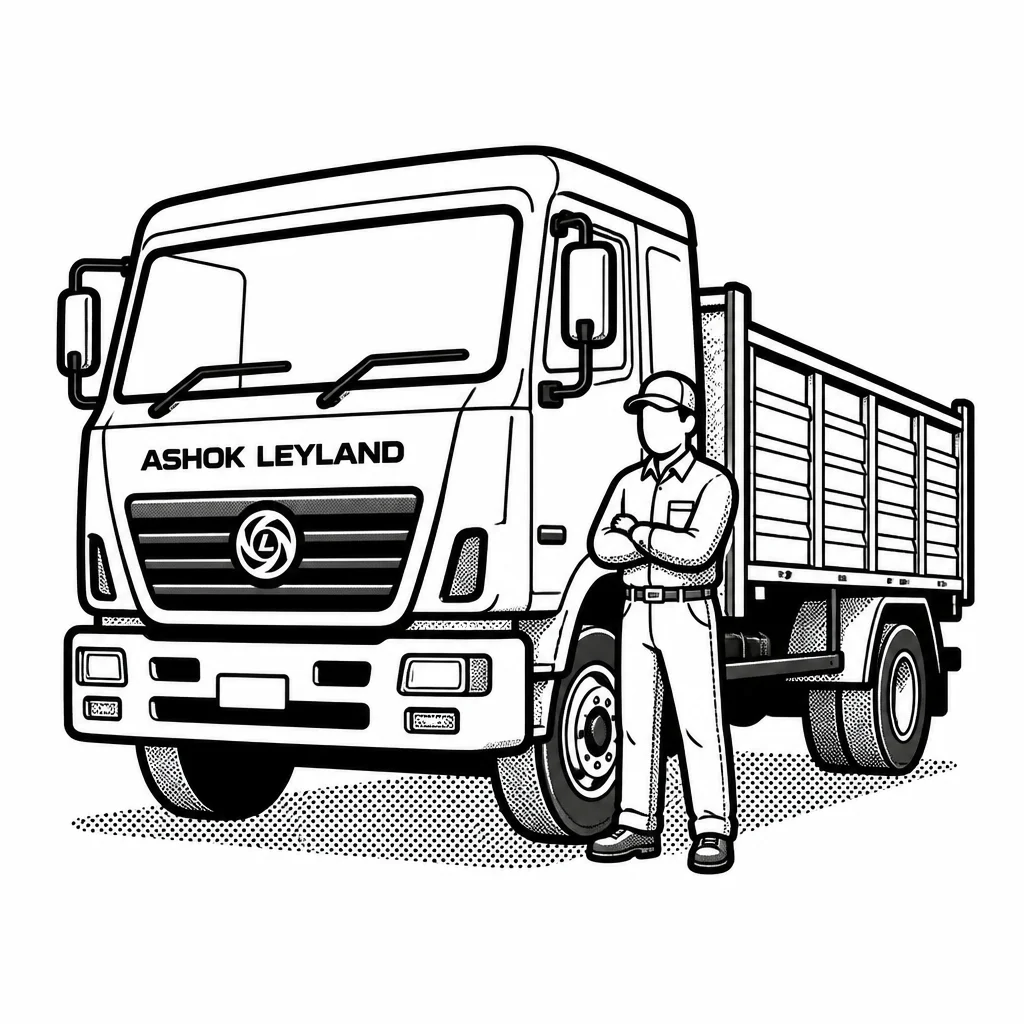
The company makes money by selling these vehicles to transport companies, bus operators, and increasingly to the Indian military, which buys its armored and defense vehicles. It also sells spare parts and services them, which matters because a truck that sits broken earns nothing for its owner. The business is famously cyclical: when the economy hums, freight demand rises, truckers buy new vehicles, and Ashok Leyland does well; when the economy stalls, orders dry up fast. Its history began as Ashok Motors, assembling cars before a 1950s partnership with Britain's Leyland Motors, then building commercial vehicles. Today the company sits under the Hinduja Group umbrella and competes fiercely with Tata Motors, Volvo, and others in a market where price, fuel efficiency, and service network decide the winner. It exports to dozens of countries across Asia, Africa, and the Middle East, and it has pushed into electric buses and light commercial vehicles as India tightens emission rules.
The interesting tension is that trucks are a tough, low-margin business where reputation for reliability matters more than flashy design. Ashok Leyland's edge comes from its wide dealer and service network in smaller Indian towns, where a breakdown far from home can be a financial disaster for a driver. The company also pays dividends and has been investing in new electric and defense programs — a bet that the next decade of Indian trucking will look different from the last.
Saved answer · last researched 14 Nov 2026