Understand any stock in simple English
Enter a ticker to learn what the company does and how it makes money.
Grundfos Holding A/S
Grundfos makes and sells pumps that move water and other liquids for homes, buildings, factories, and water systems.
Grundfos is one of the world's biggest pump makers. If water needs to move — from a well into a house, through a heating system, out of a flooded basement, or across a city's water network — there's a good chance a Grundfos pump is doing the pushing. The company sells to plumbers and installers, to factories and building managers, and to water utilities that run the pipes a whole town depends on.
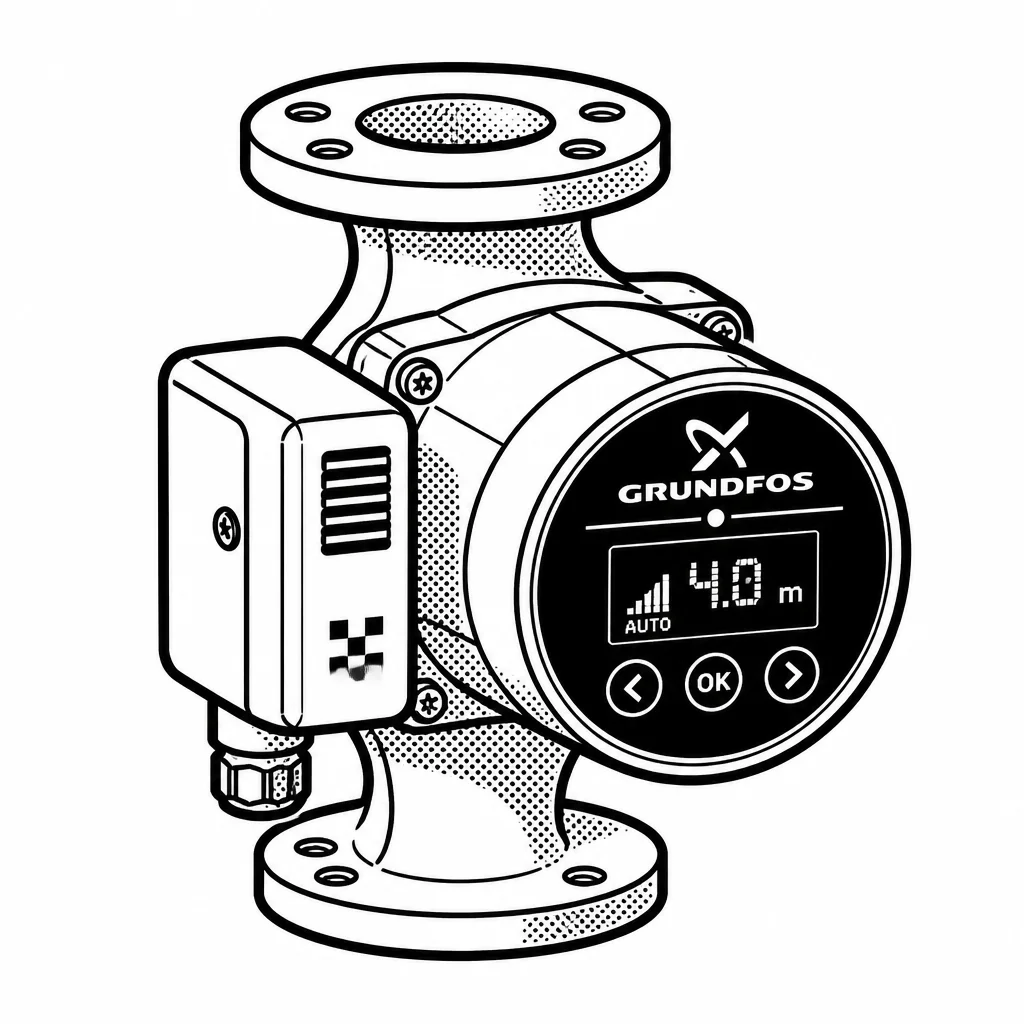
The business breaks into a few clear parts. Its circulation pumps keep hot water flowing through radiators and taps, and its pressure-boosting systems make sure a shower on the top floor still has decent water pressure. It also makes submersible pumps that sit down inside wells and boreholes, plus bigger industrial and wastewater pumps for factories and sewage plants. On top of the hardware, Grundfos sells the controls and monitoring that let a building or utility watch how its pumps are running and catch problems before something breaks. What really sets Grundfos apart is efficiency. A pump that runs all day, every day can quietly eat a lot of electricity, and Grundfos built its reputation on pumps that use less of it. That pitch lands well with customers facing high power bills or tough energy rules. It's also why the company leans hard into service and replacement parts: a pump installed today can generate steady income for years through maintenance, upgrades, and swaps.
Grundfos is owned by a foundation, the Grundfos Foundation, which holds the company and channels profits into research, water access projects, and other causes. That structure means it isn't chasing quarterly stock market results — it can think in decades. It competes with rivals like Xylem and Pentair, and it has been investing in digital monitoring and water-saving technology as cities and factories get more serious about managing every drop. The simple version: Grundfos sells the machines that keep water moving, and makes money again and again from keeping them running well.
Saved answer · last researched 10 Nov 2026