Understand any stock in simple English
Enter a ticker to learn what the company does and how it makes money.
Sulzer AG
Sulzer makes and services pumps and machinery that move fluids and keep heavy industrial plants running.
Sulzer is the kind of company that keeps things flowing — literally. It builds pumps and machinery that move liquids and gases through factories and plants, and it sells the maintenance and spare parts that keep that equipment alive for decades. Its customers are industrial companies around the world in chemicals, oil and gas, power, water, and paper, and they come to Sulzer because a broken pump or a shaky rotating machine can shut an entire plant down. The company's headquarters are in Winterthur, Switzerland, which places it at the heart of Europe's precision engineering tradition.
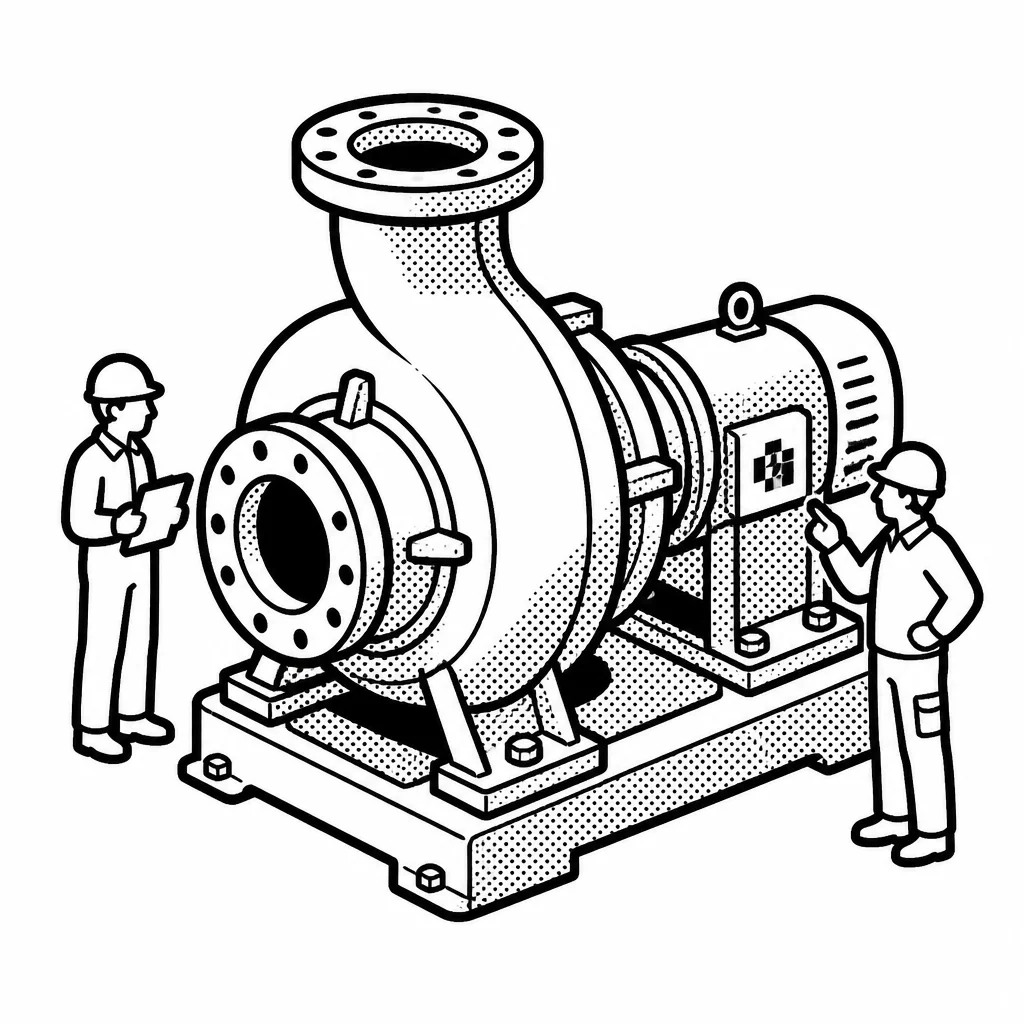
The business has three main parts. Flow Control makes pumps and equipment for moving fluids, from giant units in refineries to small pumps in water systems. Services is the repair and maintenance arm — it fixes and upgrades the equipment customers already own, which tends to be steady, recurring work. Chemtech builds separation and mixing technology for chemical plants, the kind of gear that helps purify products and process materials. The pumps and equipment get Sulzer in the door; the service business keeps it there, because once a plant relies on your parts and your engineers, switching is painful. The company's edge is that its machines are mission-critical and long-lived. A pump or a rotating machine is often a small part of a plant's cost but a huge part of its reliability, so customers pay for quality and fast support rather than hunting for the cheapest option. Sulzer also benefits from a large installed base: every machine it sells becomes a future service job. Its main rivals are big industrial groups such as Flowserve in pumps and rotating equipment, though Sulzer competes mostly on specialized niches and aftermarket service rather than on scale alone.
Sulzer is not a growth story so much as a cash-and-reliability story. After a turbulent stretch — including a messy fight with an activist investor, Viktor Vekselberg, that reshaped its board and strategy in the 2010s — the company has focused on profitability and cash generation. It pays a dividend and has bought back shares, returning cash to owners while investing in its service network. The risks are straightforward: demand tracks industrial spending, which swings with the economy, and a slowdown in chemicals or energy capital projects hits orders. But the service base gives it a cushion that pure equipment makers lack — machines keep wearing out even when nobody is building new plants.
Saved answer · last researched 14 Nov 2026