Understand any stock in simple English
Enter a ticker to learn what the company does and how it makes money.
Ingersoll Rand Inc.
Ingersoll Rand sells the machines and equipment that move air, fluids, and gases for factories, hospitals, and workshops around the world.
Ingersoll Rand makes the invisible stuff that keeps modern life running: compressed air, vacuum systems, pumps, and the machines that move fluids and gases. If you have ever heard the hiss of a pneumatic tool in a repair shop or seen a hospital's oxygen supply flowing, you have brushed up against the kind of equipment this company sells. Its customers are factories, hospitals, workshops, and energy companies that need reliable gear to power tools, run production lines, or keep patients breathing.
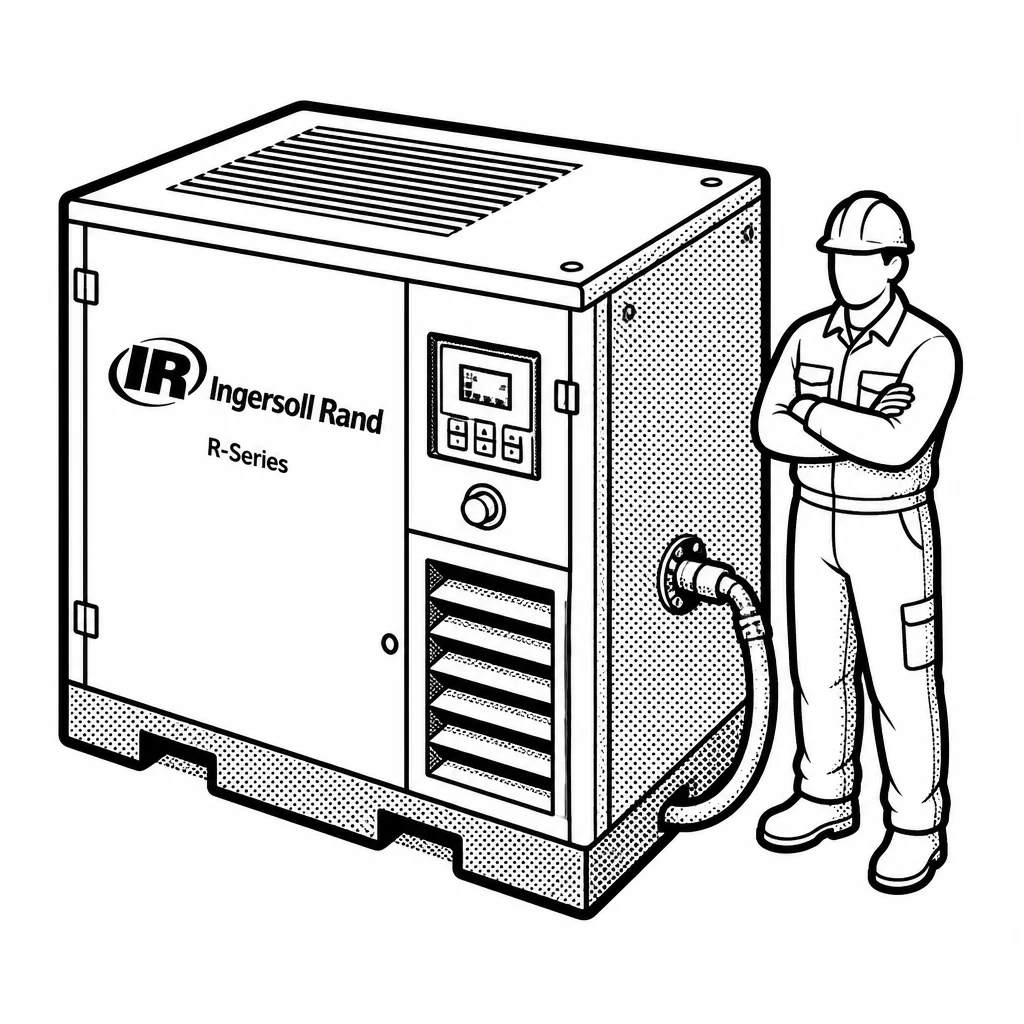
The business splits into two broad halves. One side sells industrial equipment — big air compressors, blowers, and vacuum pumps — plus the parts and service contracts that keep those machines humming for years. The other side focuses on medical technology, making specialized pumps and compressors used in ventilators, oxygen concentrators, and other breathing devices. That medical arm got a huge boost during the pandemic, when demand for respiratory equipment soared. After the crisis faded, sales cooled, but the company kept the business and its hospital relationships. The company as we know it today is a merger story. Gardner Denver, an old industrial machinery maker, combined with the industrial segment of Ingersoll Rand in 2020 and took the Ingersoll Rand name. The deal was designed to put two complementary equipment portfolios under one roof, cutting costs and giving the combined company more ways to sell to the same customers. Since then, management has been shifting the mix toward steadier, higher-margin service and medical revenue, and it has been buying smaller companies to fill gaps in its lineup.
Ingersoll Rand's real advantage is its installed base — the millions of machines already sitting in customers' buildings. Once a factory buys a compressor, it needs parts, maintenance, and replacements for years, and that service revenue is more predictable than selling new machines. Competition comes from other industrial equipment makers, so the company leans on its global service network and brand to keep customers loyal. The main risks are tied to the industrial cycle: when factories slow down, they delay big equipment purchases, and that shows up in the order book.
Saved answer · last researched 12 Nov 2026