Understand any stock in simple English
Enter a ticker to learn what the company does and how it makes money.
Patagonia, Inc.
Patagonia makes and sells outdoor clothing and gear, and gives most of its profits to environmental causes.
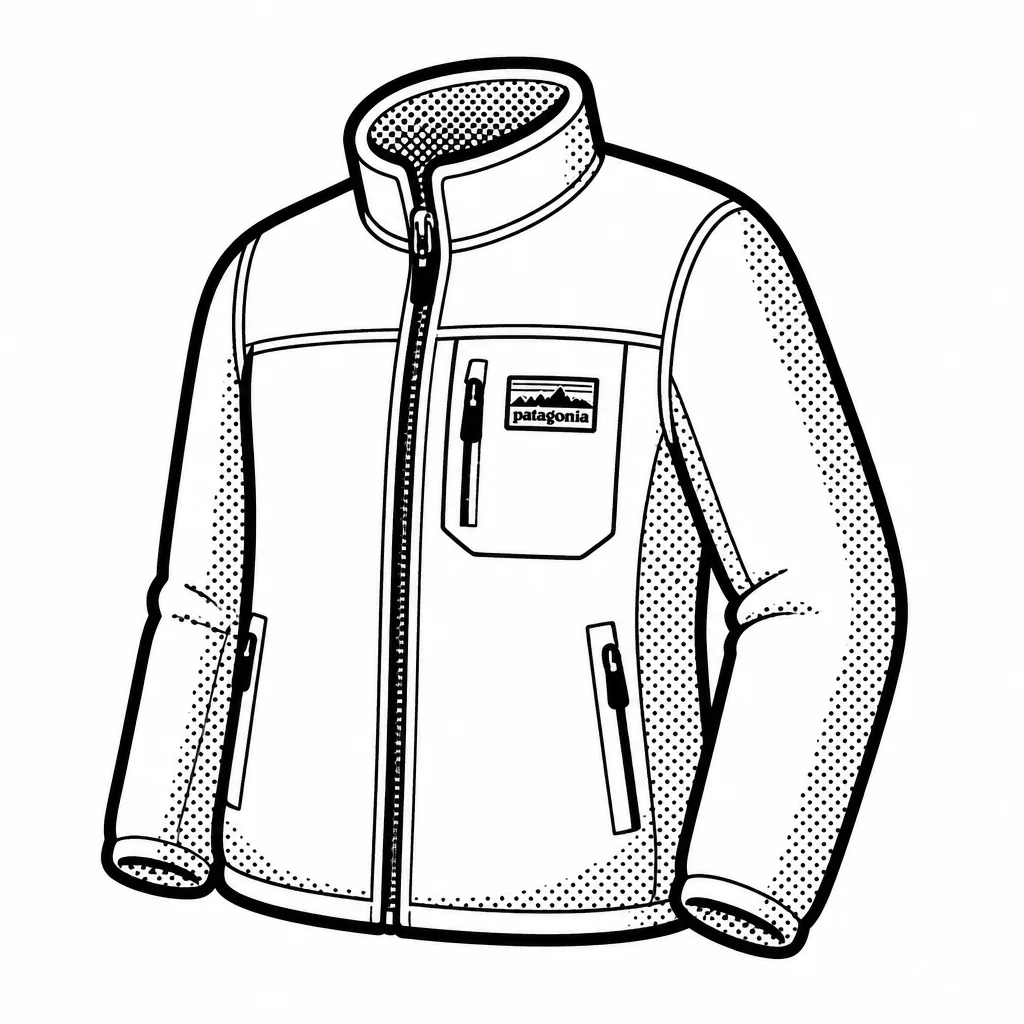
Patagonia makes jackets, fleece, trousers, backpacks and other gear for people who climb, ski, surf, hike and otherwise spend time outside. It sells those products mostly through its own website and its own shops, plus a smaller number of independent outdoor retailers. The customer is often someone who cares as much about how a jacket was made as about how it looks — and Patagonia leans hard into that: it repairs clothes, resells used ones, and tells customers not to buy a new jacket unless they really need one. That sounds like a strange way to run a shop, but it's the core of the brand.
The company's big claim to fame is its ownership. In 2022, founder Yvon Chouinard, his wife and their two children gave nearly all of the company's shares to two nonprofit entities: a trust that controls the business, and a nonprofit that receives most of the profits and spends them on protecting nature. Any profit that isn't reinvested goes out the door to environmental work rather than to outside shareholders. Patagonia is still a normal company in the sense that it designs, makes and sells products for a profit — it just has no public shareholders to answer to, so it can afford to put purpose ahead of quarterly numbers. That structure cuts both ways. On the good side, it gives Patagonia a story no rival can copy and builds fierce loyalty among customers. On the hard side, it limits how much cash can be plowed back into growth, and the company has to stay disciplined about costs to keep funding that mission. It also carries real risk: making gear involves factories, fabrics and supply chains with their own environmental footprint, and the brand is held to a high standard precisely because it preaches so loudly. When it slips, the criticism lands harder.
Chouinard started out as a climber making his own pitons in a tin shed in California in the late 1960s, and the company grew out of that obsession with gear that works. Today it's a private business worth billions, with a reputation built on quality and on the promise that a repair is better than a replacement. It's a rare case of a company that made itself famous partly by telling people to consume less — and then found a way to keep growing anyway.
Saved answer · last researched 1 Nov 2026
BIG PICTURE
Three in four Patagonia customers say they only buy from responsible companies
- 74% Patagonia customers who try to buy only from socially and environmentally responsible companies
- 26% Patagonia customers who do not say this
Patagonia's customers are odd in a useful way. Three in four say they try to buy only from companies that act responsibly toward people and the environment, against 41% of the general US population. That gap is the business model in miniature: the clothes carry a promise, and the people paying for them are already shopping for that promise. Source: YouGov Profiles, data from 2026
Timeline
A Climbing Teen Starts Forging Pitons
Yvon Chouinard was eighteen and loved to climb, but the iron pitons climbers hammered into rock damaged the cliffs. So he set up a blacksmith shop in his backyard and forged his own reusable steel pitons instead. He sold them out of his car for about a dollar and a half each, and demand was so strong that a side project turned into a real climbing gear business.
Patagonia Becomes Its Own Company
The clothing side of the climbing gear business grew into something separate, and Chouinard named the new company Patagonia after a road trip he had taken to the Patagonia region of South America. It set up shop in Ventura, California, with a logo showing Mount Fitz Roy.
Patagonia Bets on Capilene
Patagonia moved its entire line of polypropylene underwear to a new fabric called Capilene. Switching a whole product line at once was risky, but the company was willing to bet on materials that performed better.
Chouinard Equipment Goes Bankrupt
Lawsuits over the safety of its climbing gear pushed Chouinard Equipment into bankruptcy. Its gear assets were bought by former partner Peter Metcalf and reorganized as Black Diamond Equipment, while Chouinard kept the clothing side, already renamed Patagonia. The hard part of the story: the gear company had to die for the clothing company to live.
Patagonia Cuts Back to Its Roots
Patagonia had expanded into retail and new markets so fast that it risked losing its specialty outdoor roots and its core values. Chouinard took a hard look, laid off a fifth of the employees, and trimmed the clothing line from 375 items to 280, refocusing on durability and environmental impact.
Organic Cotton by 1996
Patagonia decided to make its cotton sportswear fully organic by the start of 1996. That meant choosing materials by environmental standards, not just by cost.
Ryan Gellert Takes Over as CEO
After a year described as one of the most challenging in the company's history, Patagonia named Ryan Gellert CEO of Patagonia Works, replacing Rose Marcario. Gellert had run Patagonia's Europe, Middle East and Africa business since 2014 and had once been president of Black Diamond Equipment.
Going Purpose Instead of Going Public
Rather than sell shares to the public, Chouinard transferred ownership of the company to two entities: the Patagonia Purpose Trust, which holds all the voting stock, and the nonprofit Holdfast Collective, which holds all the nonvoting stock. Profits not reinvested in the business now go to fighting the environmental crisis. The structure was built to protect the company's values and keep its mission intact after the founder.
The Mission Keeps Going
Since 2022 the Holdfast Collective has received $180 million from Patagonia and put it toward causes like protecting wetlands and conservation land. It also sued the Trump administration again over the shrinking of Bears Ears National Monument, repeating its 2017 challenge. Patagonia says it plans to keep operating for the next 50 years as a business whose profits, after reinvestment, go to protecting the planet.