Understand any stock in simple English
Enter a ticker to learn what the company does and how it makes money.
Amer Sports, Inc.
Amer Sports sells outdoor and action sports gear — skis, tennis rackets, hiking boots, and athletic apparel — through brands like Arc'teryx, Salomon, and Wilson.
Amer Sports is a house of premium sporting-goods brands. If you ski, hike, climb, play tennis, or swing a golf club, there's a decent chance something in your bag came from one of its labels. The company sells equipment, apparel, and footwear through brands including Arc'teryx (high-end outdoor clothing), Salomon (skis, trail running, hiking), Wilson (tennis, golf, and baseball gear), Atomic (skiing), and Louisville Slugger (baseball bats).
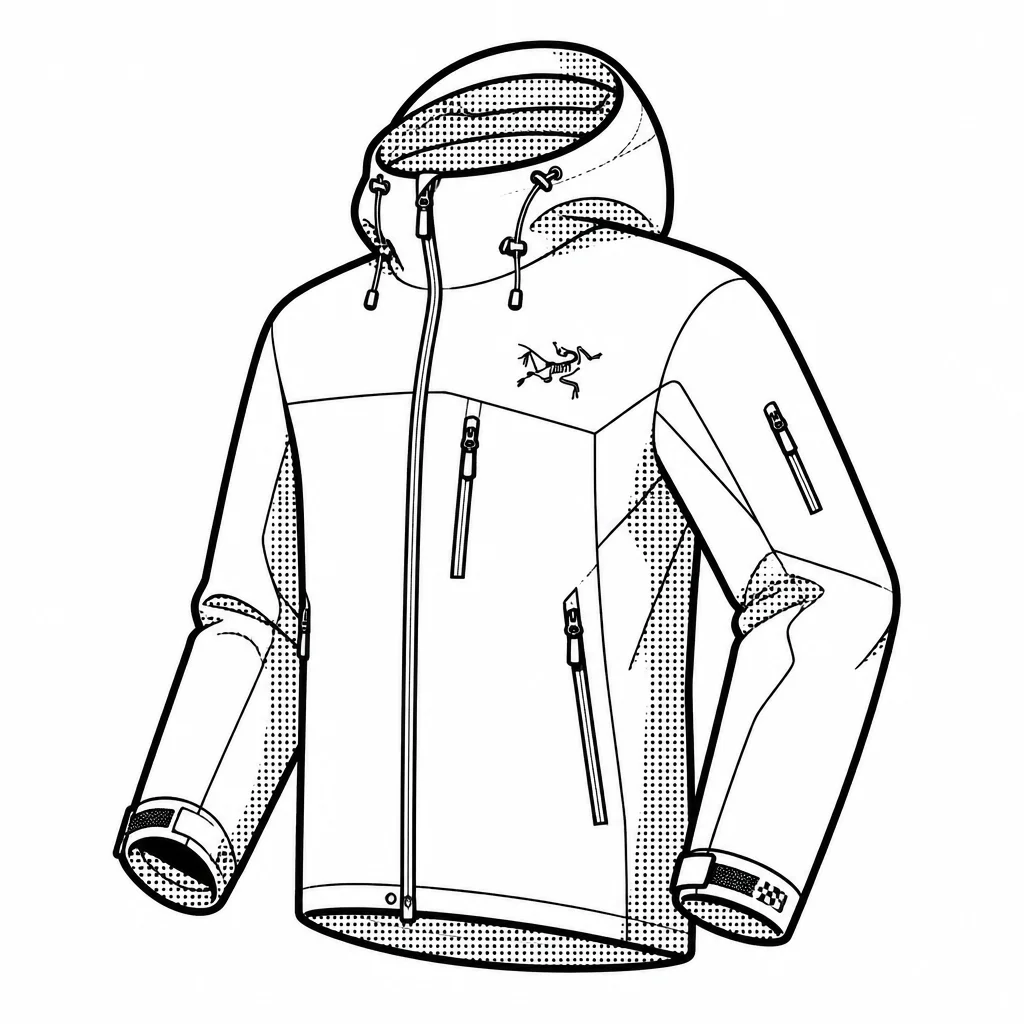
The business splits roughly into three kinds of customers. Technical outdoor and apparel — Arc'teryx and Salomon softgoods especially — sells to people who pay up for performance and style, and it has been the company's fastest-growing and most profitable engine. Winter sports equipment sells skis and boots, a seasonal business tied to snow conditions and resort traffic. Ball-and-racket sports, anchored by Wilson, sells tennis rackets, golf clubs, and baseball gear, and benefits from the fact that racket and club makers have pricing power and loyal recreational players. Amer Sports was long owned by a Chinese consortium led by ANTA Sports before it went public on the New York Stock Exchange in early 2024, a listing that raised roughly $1.3 billion and valued the company at around $6.3 billion. That IPO was partly about paying down the debt piled on during its private years. China is a big and growing market for the company — Arc'teryx in particular has become a status brand there — which makes it both an opportunity and a concentration risk. Its rivals include Nike, Adidas, VF Corporation, and Deckers in footwear and apparel, plus specialized equipment makers in each sport.
The appeal is simple: strong brands, premium prices, and a customer base that keeps buying gear as outdoor recreation and "gorpcore" fashion stay popular. The risk is equally simple: it sells discretionary products, so a weak consumer or a bad snow year hurts, and it carries meaningful debt from its leveraged buyout era. Growth has been real — revenue climbed through 2024 — but investors are watching whether Arc'teryx's momentum and China demand can keep carrying the rest of the portfolio.
Saved answer · last researched 14 Nov 2026