Understand any stock in simple English
Enter a ticker to learn what the company does and how it makes money.
adidas AG
Adidas designs and sells athletic shoes, clothing, and accessories to people around the world.
Adidas is one of the two or three biggest sportswear companies on the planet, selling sneakers, jerseys, tracksuits, and gym gear to everyone from professional athletes to teenagers who just want to look good on the way to class. Its three-stripe logo shows up on football pitches, basketball courts, and marathon starting lines across the globe. It also owns a smaller brand called Reebok. Wait — actually, Adidas sold Reebok in 2022, so scratch that: today Adidas is focused on its core name and a golf brand called TaylorMade, which it also sold. Let's keep it simple — the company today is essentially one big brand: Adidas.)
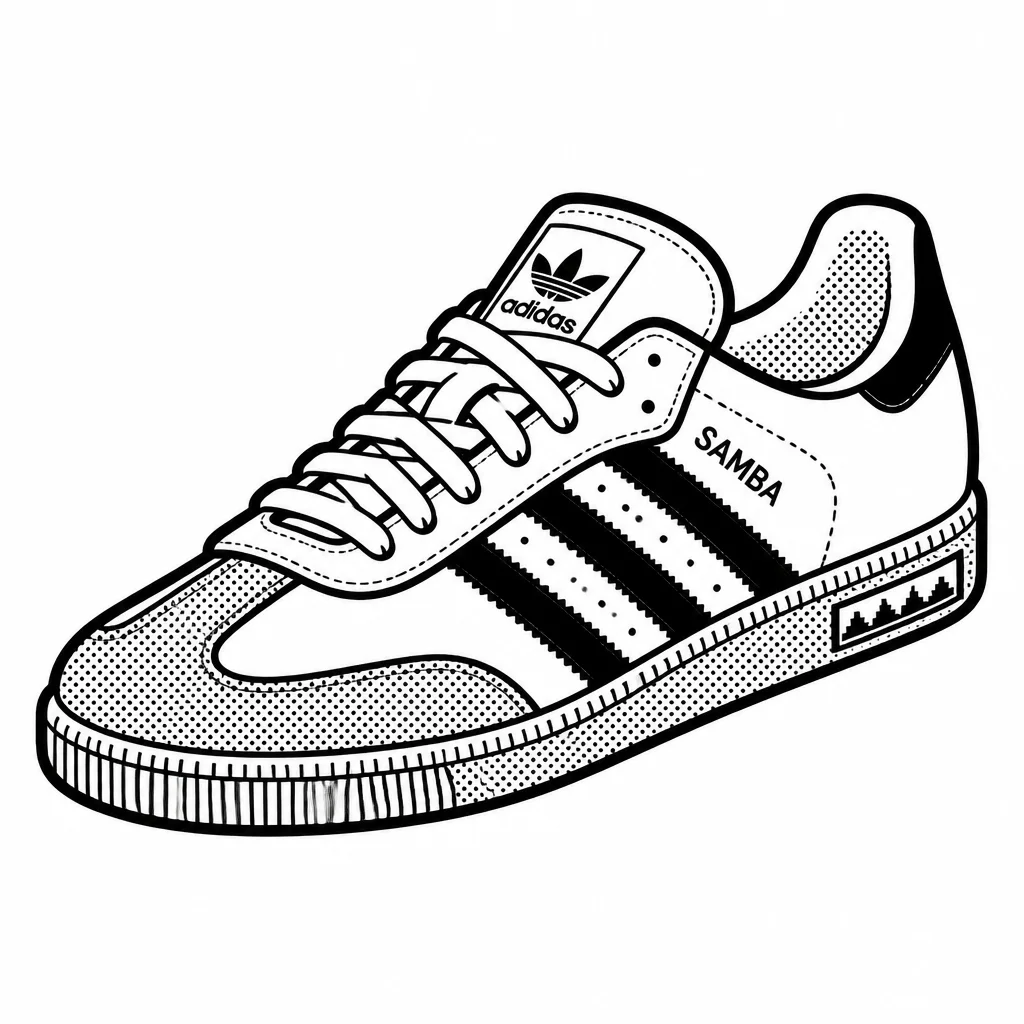
The business works like this: Adidas doesn't stitch every shoe itself. It designs the products, builds the brand through huge marketing deals, and then pays factories — mostly in Asia — to make them. It sells through its own stores, its website, and thousands of retailers and sports shops worldwide. Customers pay a premium not just for the shoe but for the badge: Adidas spends heavily on sponsorships, from the FIFA World Cup to Olympic athletes to big-name football clubs, because a famous face wearing your gear is the cheapest advertising that exists. Its main rival is Nike, the American giant that is roughly twice its size, and it also fights Puma — a German competitor founded by the brother of Adidas's own founder, which is one of the great family feuds in business history. The industry is brutal: trends shift fast, and a hot shoe design can make or break a year. Adidas has had both — the Yeezy line with Kanye West was a money printer until the partnership collapsed in 2022, leaving the company with piles of unsold inventory and a public relations mess. It has since rebuilt momentum behind retro styles like the Samba and Gazelle, which became surprise fashion hits.
Adidas is headquartered in Herzogenaurach, a small Bavarian town that is essentially a company town — Puma is based there too, which makes for awkward grocery shopping. The company generates billions in annual revenue (around €21 billion in 2023) and spends much of its cash on marketing, product design, and buying back its own shares. The simplest way to understand Adidas: it sells identity as much as footwear, and its fortune rises and falls on whether the world decides its stripes are cool this year.
Saved answer · last researched 12 Nov 2026
Timeline
Adi Dassler Starts Making Shoes
In the tough years after World War I, a young man named Adi Dassler started making shoes in his mother's laundry room. He believed every athlete should have a shoe built exactly for their sport, and he began by making track shoes and talking constantly with the athletes who wore them. That closeness to athletes became the company's driving idea.
Adidas Brand Is Registered
Adi had been making shoes with his brother Rudolf, but the two split up, and in 1949 Adi registered his own brand: adidas, built from his own name. He started small, with a few dozen employees in the German town of Herzogenaurach.
West Germany Wins the World Cup
A few years later, the German national football team won the World Cup wearing adidas boots with screw-in studs you could swap out. Those boots were far lighter and better than the heavy ones everyone else wore. Suddenly the brand with the three stripes was famous around the world, and that was the breakthrough.
Adidas Goes Public
Adi Dassler died in 1978, and the family's ownership went through a messy stretch. By 1989 the company was listed on the stock market, and the Dassler family no longer owned it at all.
Robert Louis-Dreyfus Takes Over
By the early 1990s, adidas was struggling badly, making only a small profit. Robert Louis-Dreyfus stepped in as CEO in 1993 and cut costs while sharpening the marketing, turning the failing shoemaker into the biggest rival to Nike. That turnaround set the stage for a much bolder buying spree.
Adidas Buys Salomon
With the business back on its feet, adidas bought the French ski and sporting goods maker Salomon for more than a billion dollars. The combined company, now called Adidas-Salomon, grew closer to Nike and added winter sports and golf to its mix.
Salomon Is Sold
Salomon did not do as well as hoped, so the company sold off the whole Salomon group, keeping only the TaylorMade golf brand. With that, the name went back to plain adidas AG.
Adidas Buys Reebok
The very next step was the biggest deal the sporting goods industry had ever seen: adidas bought Reebok for around three billion euros. The idea was to get a much bigger foothold in North America and take the fight to Nike.
Kasper Rørsted Becomes CEO
After more than fifteen years under Herbert Hainer, adidas handed the top job to Kasper Rørsted, an outsider to both sports and fashion. He made one priority loud and clear: win back ground in North America, where adidas was losing share to Nike and Under Armour.
Adidas Breaks With Kanye West
Adidas had a hugely successful shoe partnership with Kanye West called Yeezy, but in 2022 it ended the deal after his antisemitic and other offensive comments. The break left the company sitting on billions of euros of unsold shoes, one of the biggest financial headaches in its modern history.
Bjørn Gulden Returns as CEO
To clean up the mess and regain lost ground, adidas brought in Bjørn Gulden, who had been running Puma since 2013. He was not a stranger: he had worked at adidas years earlier. Now he had to steer the company through the Yeezy aftermath.
Shares Fall Despite Record Revenue
In 2026, adidas posted record quarterly revenue, yet the share price plunged by more than 18 percent in a single day, the worst drop in over six years. Profit came in below what analysts expected, spending on World Cup marketing jumped, and the finance chief said he would leave. Investors were worried the company was spending heavily without raising its profit forecast.
The Turnaround Shows Results
Under Bjørn Gulden, adidas climbed back from a tiny profit in 2023 toward roughly two and a half billion euros projected for 2026. The rebound came from rebuilding the brand, investing in sports, growing online sales, and adapting collections to local markets. By the third quarter, revenue hit a record and profit jumped sharply, a clear sign the turnaround was working.