Understand any stock in simple English
Enter a ticker to learn what the company does and how it makes money.
PUMA SE
Puma designs and sells sports shoes, clothes, and accessories to people around the world.
Puma is one of the world's big sportswear brands, making sneakers, athletic clothing, and accessories for runners, football players, gym-goers, and people who just want to look sporty. It sells to ordinary shoppers through its own stores and websites, and to retailers like sporting goods chains and shoe shops that stock its products. The company is headquartered in Herzogenaurach, Germany, the same small town as its longtime rival Adidas, since the two were founded by feuding brothers nearly a century ago.
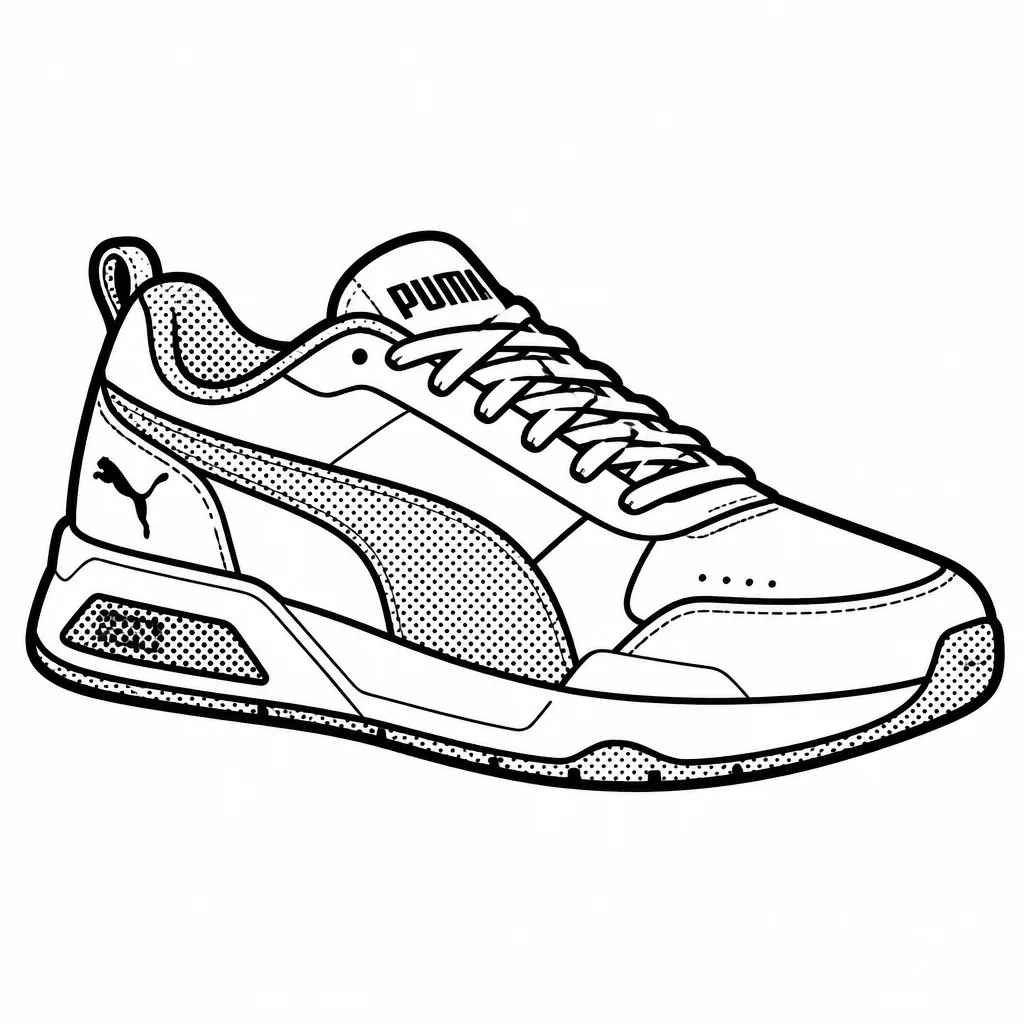
The business runs on a simple idea: build a brand people want to be seen in, then sell them shoes and clothes at healthy markups. Puma earns its money by wholesaling to retailers and also through direct sales to consumers in its own shops and online. Beyond everyday athletes, it leans heavily on sports marketing — sponsoring football clubs, national teams, and star athletes like sprinter Usain Bolt — because having famous winners wear your gear is the cheapest advertising in the world. Its biggest competitors are Nike and Adidas, and it plays the role of the scrappy number three, fighting for attention against two giants with much deeper pockets. Puma has had a rocky but interesting ride. It nearly went broke in the 1980s and 90s before a young CEO, Jochen Zeitz, turned it around by treating sportswear as fashion as much as function. That fashion-forward bet paid off with collaborations and lifestyle shoes that sell to people who never set foot on a track. More recently, the company has pushed hard into running and basketball, signed big-name athletes, and worked to grow in the United States, where it has historically been weaker than in Europe.
The company's finances are shaped by the sportswear cycle: it spends heavily on marketing, product design, and sponsorships, then hopes shoppers keep paying full price. When demand is strong and inventory is lean, margins look great; when trends shift or retailers overstock, profits can sag fast. That is the core risk of the business — fashion is fickle, and a sneaker that is cool this year can sit on shelves next year. Puma's job is to keep its brand hot enough that people keep choosing it over the two giants, and to manage its costs so a bad season doesn't become a bad year.
Saved answer · last researched 12 Nov 2026