Understand any stock in simple English
Enter a ticker to learn what the company does and how it makes money.
Dyson Limited
Dyson designs and sells premium vacuum cleaners, air purifiers, hair dryers, and other household machines built around its own motors and engineering.
Dyson is the company that turned a boring household chore into a status symbol. It sells vacuum cleaners, air purifiers, hair dryers, and fans — machines that people use to clean their floors, breathe cleaner air, and dry their hair faster. What ties them together is engineering: Dyson builds its own high-speed digital motors and designs its products around them, then charges a premium for the performance and the look.
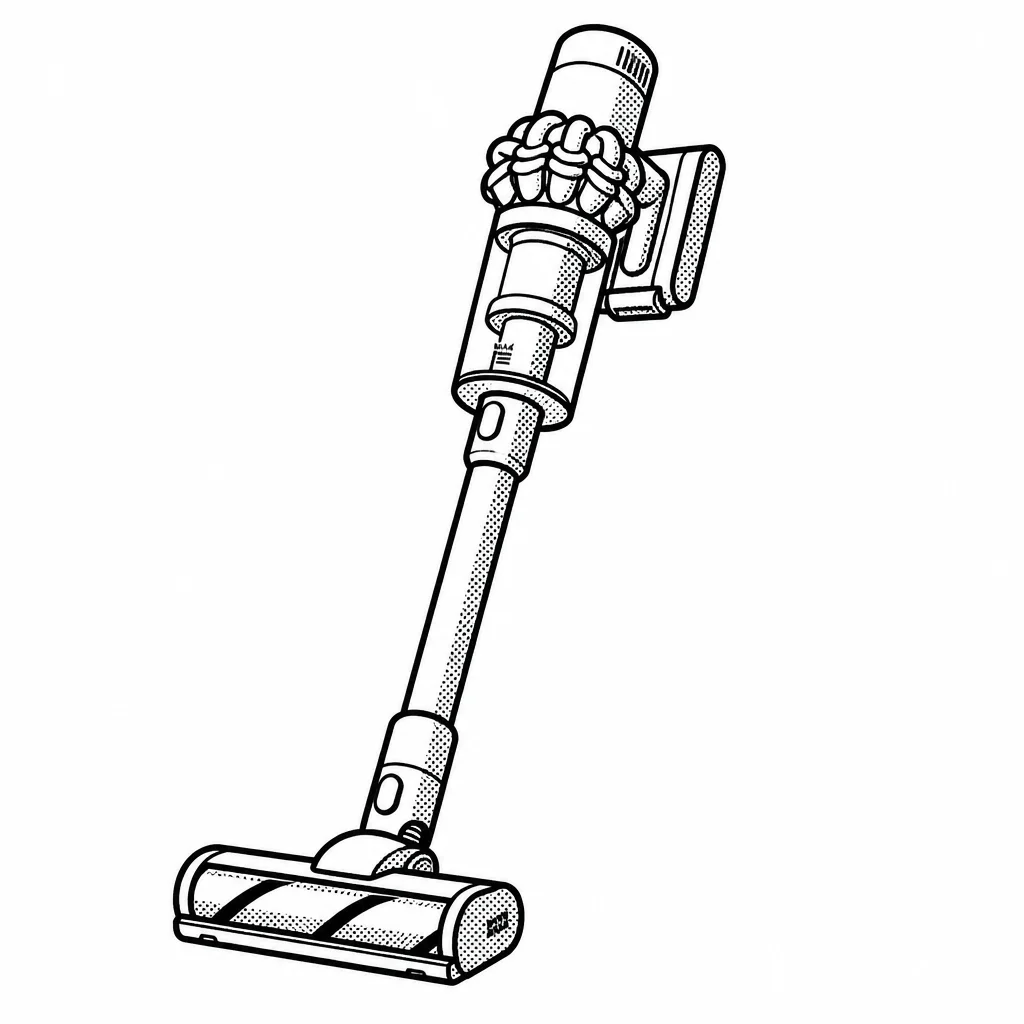
The most important thing to understand is that Dyson is a product company, not a service. It makes money by selling physical machines, mostly directly to consumers through its own stores and website plus retailers, and increasingly through a haircare line — the Airwrap and Supersonic — that has become a fashion item as much as an appliance. Replacement parts, filters, and accessories add a smaller, steadier stream. Customers pay up because Dyson's products tend to be genuinely different: the first bagless vacuum, the bladeless fan, the hair dryer that doesn't fry your hair. That premium position is also the company's weak spot. Dyson sits at the expensive end of a market full of cheaper rivals, and copycat brands — especially fast-moving Chinese competitors — keep closing the gap. Its bet is that real engineering keeps it ahead. The company spends heavily on research and development and is famously secretive about what's coming next, which is why its forays into robots, headphones, and even an electric car (a project it abandoned in 2019 after spending hundreds of millions) draw so much attention.
Dyson is private, owned largely by its founder, Sir James Dyson, and his family, so it doesn't answer to public shareholders. It moved its headquarters to Singapore in 2019, closer to its fast-growing Asian market and its manufacturing base. The founder's obsession with solving problems himself — he reportedly built thousands of prototypes of his first vacuum — still shapes how the company operates: it would rather invent a new category than compete on price in an old one.
Saved answer · last researched 4 Nov 2026
BIG PICTURE
Five vacuum makers control about 55% of the world market, and Dyson is the biggest of them
- 22% Dyson
- 32.5% Other four top rivals combined
- 45.5% Everyone else
Dyson holds 22% of the global household vacuum cleaner market, according to Global Market Insights, making it the clear leader in the category it built its name on. The next four biggest rivals together hold another 32.5%, so a handful of companies split more than half the world's vacuum sales. That concentration matters because vacuums are the machine Dyson has sold longest, and the market is crowded with cheaper cordless options. Source: Global Market Insights, data from 2025
Timeline
A Vacuum That Kept Losing Suction
James Dyson kept getting frustrated with his vacuum cleaner. The bag filled with dust, the suction died, and the machine stopped doing its one job. He remembered a trick from industry: a cyclone spins dirty air so the dust flies out and clean air comes through. Five years and over five thousand failed prototypes later, he had the world's first bagless vacuum cleaner. The idea worked, but no one wanted to make it.
Japan Says Yes to G-Force
British manufacturers turned him down, but a Japanese company called Apex said yes. It built his design as the G-Force, and it sold in Japan for around two thousand dollars a piece. That is a wild price for a vacuum, yet it became a status symbol, and it even won a big international design prize. The machine that nobody at home wanted was a hit on the other side of the world.
Barleta Limited Is Registered
With the money from that Japanese licence, Dyson finally set up his own company. It was registered under the odd name Barleta Limited, which was later shortened to Dyson Ltd. After years of doors closing in his face, he now had a business of his own to build.
The DC01 Takes the UK by Storm
Backed by royalties from the G-Force, Dyson opened a research centre and factory in the Cotswolds and launched the DC01, his first Dual Cyclone vacuum. Its big promise was simple: it kept full suction all the time, not just when new. It became the fastest-selling vacuum ever in the UK, grabbing a huge share of the British market. The man who couldn't get a licence deal was suddenly the name on everyone's vacuum.
The Hoover Patent Fight
Success made enemies. Hoover started making vacuums that copied Dyson's cyclone technology, and Dyson took them to court. The fight dragged on, but the courts sided with Dyson and forced Hoover to stop selling the machine. The lesson was clear: the patents were the real treasure, and they had to be defended.
The Washing Machine That Cost Too Much
Dyson tried to reinvent laundry too. The CR01 used two drums spinning in opposite directions to mimic hand washing, and it was faster than rivals. The problem was making it: it cost too much to build, so production stopped after a few years. It was a costly miss, but an important one — the company learned what it could and couldn't turn into a product.
Production Moves to Malaysia
By now Dyson's parts and contract manufacturers were spread across Asia, so the company moved vacuum production to Malaysia. That put the factory next to its supply chain and opened the door to selling around the world. Making things close to where the pieces come from turned out to matter as much as the ideas themselves.
The Airblade Dries Hands Fast
Dyson then went beyond floors. After studying how hand washing really works, it launched the Airblade hand dryer, which blasts a high-speed blade of filtered air to scrape water off your hands in about ten seconds. It showed the company was not a vacuum business — it was a company that solved annoying everyday problems with clever engineering.
Dyson Buys His Son's Lighting Company
The founder's son, Jake Dyson, had built a lighting company of his own. Dyson bought it, bringing Jake onto the board as director of research and development, and he became chief engineer the next year. The family business now had a second generation steering its engineering.
A Big Bet on AI and a Tariff Hit
Dyson pushed hard into new machines, launching more products in one year than ever before and filing hundreds of patents, including AI-driven robots like a vacuum that scrubs as it cleans. Profit rose even as revenue slipped, because US tariffs and cautious shoppers in key markets hurt sales. The company kept pouring money into research, betting that clever machines would win out over a rough stretch.