Understand any stock in simple English
Enter a ticker to learn what the company does and how it makes money.
Techtronic Industries Company Limited
Techtronic Industries makes and sells power tools, outdoor equipment, and floorcare products under brands like Milwaukee, Ryobi, and Hoover.
Techtronic Industries makes the tools people reach for when they build, fix, or clean things. Its biggest brand, Milwaukee, sells professional-grade power tools — drills, saws, batteries — to electricians, plumbers, and construction crews who use them all day and need them to survive drops, dust, and rain. Its other big brand, Ryobi, sells similar tools at friendlier prices to homeowners and weekend DIYers. A third arm makes floorcare products under brands including Hoover.
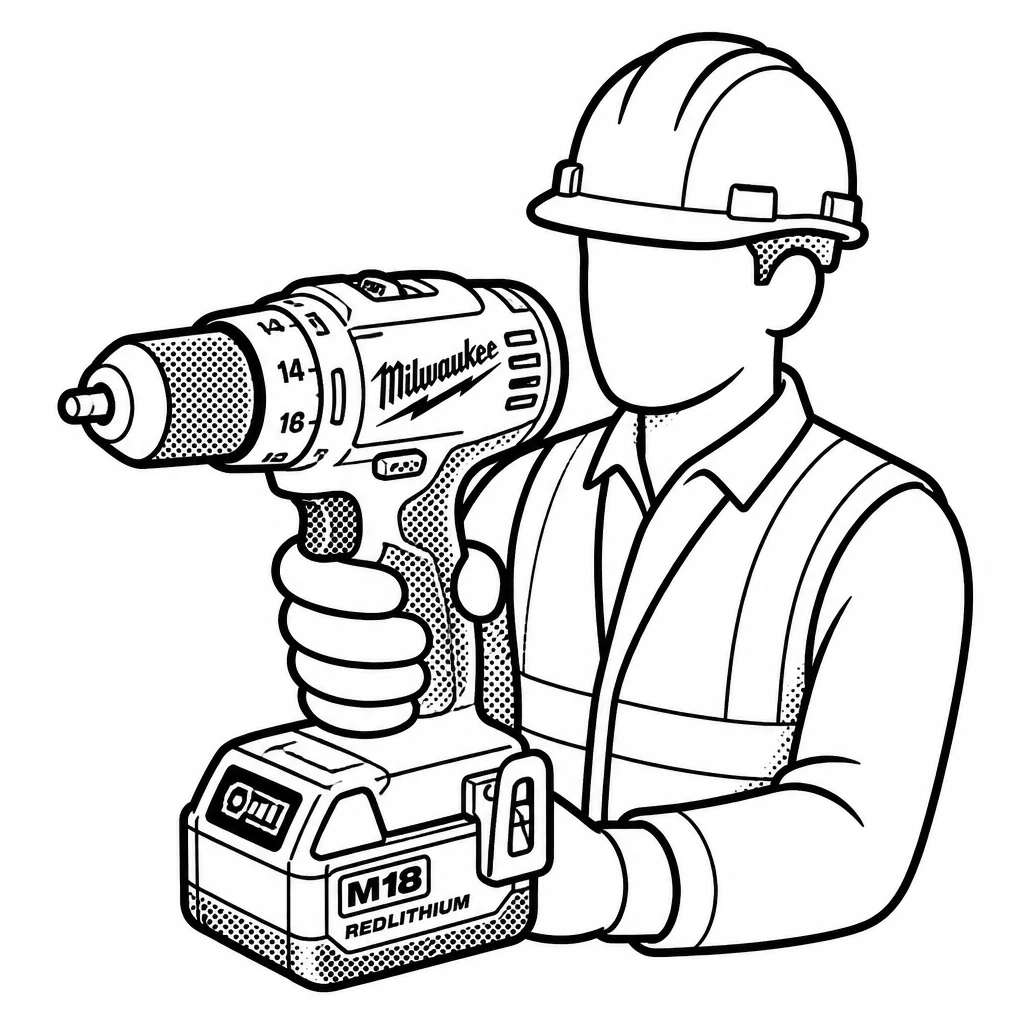
The company's real edge is the battery. Milwaukee's M18 and M12 cordless systems run on rechargeable packs that fit dozens of different tools, so once a contractor buys into the platform, every new tool is an easier sale. That "one battery, many tools" idea locks customers in and keeps them coming back. Techtronic sells through home-improvement retailers and distributors rather than running its own stores, and it also supplies some products to other companies that put their own names on them. The Milwaukee bet is the story that matters. Techtronic bought the brand in 2005 when it was a shadow of its former self, then poured money into new products and marketing aimed squarely at tradespeople. It worked spectacularly: Milwaukee became the company's growth engine and helped Techtronic grow into one of the world's largest power-tool makers, competing with Stanley Black & Decker and Bosch-style rivals. Ryobi gives it a strong second act in the consumer market, though that end of the business is more exposed to housing slowdowns and cautious spending by homeowners.
The company is headquartered in Hong Kong but earns most of its money in North America and Europe, and it manufactures heavily in Asia. That mix makes it sensitive to US housing activity, interest rates, and any tariffs that hit goods flowing between China and the US — real risks for a company whose products are physical and shipped worldwide. Techtronic invests heavily in new product development to keep the tool lineup fresh, which is what keeps retailers and professionals buying. It is a simple business at heart: sell tools people trust, make the batteries fit everything, and keep inventing the next tool they didn't know they needed.
Saved answer · last researched 12 Nov 2026
Timeline
Pudwill and Chung Found TTI
Horst Julius Pudwill and Roy Chi Ping Chung started TTI in Hong Kong as a factory that made tools for other companies' brands. The founders had a bigger idea: one day they wanted to own famous brands themselves, not just build products for others. That ambition would slowly reshape the whole company.
Early Deals With Sears and Bissell
TTI began making cordless power tools for Sears under its Craftsman label, then cordless handheld vacuums for Bissell. These deals gave the young factory steady work and taught it how big American brands think. It also planted the skills TTI would later need to build its own brands.
TTI Lists in Hong Kong
The company went public on the Hong Kong Stock Exchange, turning a private factory into a public one. Its shares also began trading in the US through ADRs. The listing gave TTI money and a public track record to chase bigger deals.
Ryobi Deal Begins Brand Push
In this first big step toward owning brands, TTI bought Ryobi's North American power tools business, then added its European arm and its Australia and New Zealand units over the next couple of years. For the first time, TTI was more than a factory for hire: it owned a name customers knew. This was the opening move in a plan the founders had held since day one.
Milwaukee Joins TTI
TTI bought Milwaukee Electric Tool from Atlas Copco and began putting lithium-ion batteries into its tools. Milwaukee gave TTI a serious professional brand known for tough, high-quality tools, and the new battery tech let the company rethink what cordless tools could do. This deal would prove to be the company's most important bet.
Hoover and Stiletto Added
TTI picked up the Hoover floorcare business and the Stiletto hand tool brand. After about nine years of buying brands one after another, the company had fully changed shape: it was no longer an OEM factory but a company that owned and built its own brands. The quiet factory had become a brand owner.
A Place in the Hang Seng Index
TTI became one of the fifty stocks in Hong Kong's Hang Seng Index. That put the company in the same club as the city's biggest listed businesses and confirmed how far it had come from its OEM roots.
A New CEO Takes Over
Joseph Galli Jr. stepped down as CEO to retire, and Steven Richman took the job the next day. Richman had run Milwaukee Tool for more than seventeen years and had grown its revenue steadily by double digits every year. Putting the man who built Milwaukee in charge signaled where TTI saw its future.
Tariffs, Vietnam, and the Milwaukee Engine
Facing tariffs, TTI shifted more of its manufacturing to lower-tariff places like Vietnam and Mexico, which kept Milwaukee products flowing and protected margins. Milwaukee stayed the main growth engine, helped by demand from infrastructure, data centers, and utilities, while RYOBI grew more slowly. The company's next push was to go deeper into specific trades and to grow its MX Fuel cordless line, which aims to replace gas and pneumatic equipment.