Understand any stock in simple English
Enter a ticker to learn what the company does and how it makes money.
AB Electrolux (publ)
Electrolux makes and sells household appliances like refrigerators, washing machines, and ovens to consumers and professional users around the world.
Electrolux is one of the world's biggest makers of home appliances — the fridge, the washer, the oven, the dishwasher. You probably don't buy these things often, but when you do, there's a decent chance the box says Electrolux or one of its brands on it. The company sells to ordinary households and to professional customers like restaurants and laundries. It generally doesn't sell directly to you; it sells through retailers and distributors, who then sell to consumers. Electrolux builds the machines, ships them out, and lets the stores handle the last mile to your kitchen.
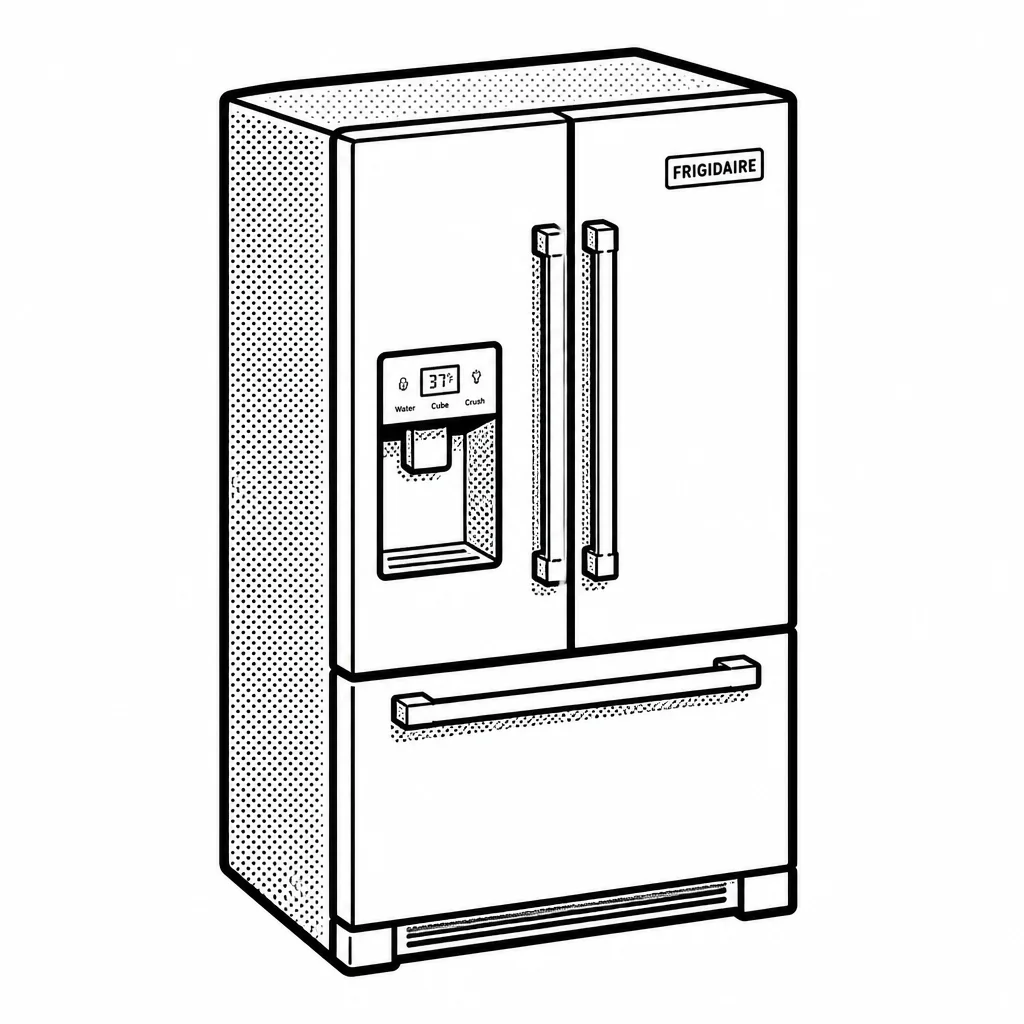
The business runs on a simple but tough economics. Appliances are bulky, heavy, and expensive to ship, so scale and factory efficiency matter enormously. Electrolux makes its money on the gap between what it costs to build a machine and what retailers will pay for it. That gap is thin and gets squeezed from both sides: big retailers like Best Buy have huge bargaining power, and competitors like Whirlpool and Asian manufacturers fight hard for shelf space. Electrolux's main selling points are its brand portfolio and its global reach — it owns names like Frigidaire, AEG, and Zanussi, which lets it cover different price points and regions without confusing customers. The appliance industry is cyclical and depends on housing. When people buy new homes or remodel kitchens, they buy appliances. When housing stalls, so does Electrolux. The company also faces pressure from cheaper Asian competitors, particularly in Europe, and it has spent years restructuring to cut costs and shift production to lower-cost countries. Tariffs and trade tensions add another layer of unpredictability, especially in the US market, where Electrolux competes against both established rivals and newer entrants.
Electrolux has been through a rough stretch. Profitability has been weak, and the company has issued profit warnings and cut jobs as demand softened after the pandemic boom in home improvement. It pays a dividend, though the payout has come under strain when earnings fell. The company has also been selling off non-core pieces to focus on its main appliance business. The core bet is straightforward: if Electrolux can make its factories leaner and its brands sharper than rivals, it can earn a decent return in a boring but necessary industry. The risk is that "boring but necessary" also means "brutally competitive," and scale alone doesn't guarantee profit.
Saved answer · last researched 12 Nov 2026