Understand any stock in simple English
Enter a ticker to learn what the company does and how it makes money.
Beijing Roborock Technology Co., Ltd.
Roborock makes robot vacuum cleaners and other smart cleaning gadgets for homes.
Roborock builds robots that clean your floors while you do something else. Its main product is the robot vacuum—a low, disc-shaped machine that maps a room with sensors, drives itself around, and sucks up dust and dirt without anyone steering it. The company also sells cordless stick vacuums and washer-dryer machines, but the self-driving vacuum is the heart of the business. People buy these because they would rather not sweep and mop, and Roborock's robots are known for navigating a home carefully and cleaning thoroughly.
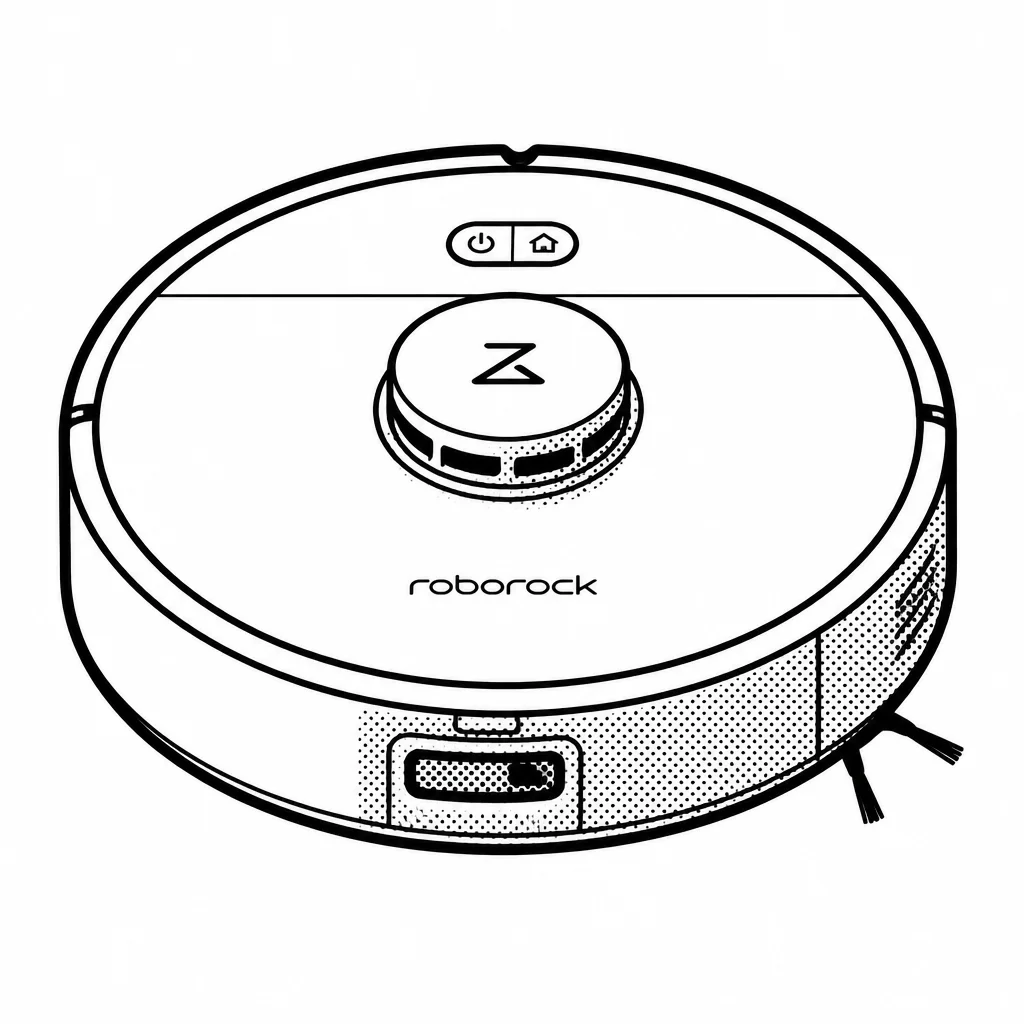
The tricky part of a robot vacuum is not the sucking—it is the knowing where to go. Early robot vacuums bounced around randomly like a bug in a jar. Roborock's machines use laser sensors and software to build a map of the home, then clean in neat rows, avoid furniture, and remember where they have been. That navigation skill is the company's real edge, and it is why its robots command higher prices than many rivals. The company sells mostly direct to consumers online, and it earns money both from the hardware and, increasingly, from the app and accessories that go with it. Roborock is a Chinese company, headquartered in Beijing, and it listed on Shanghai's STAR Market—a board for science and tech firms—in 2020. It grew fast by winning customers outside China too, with a big chunk of sales coming from Europe, North America, and Asia. That global reach is a strength, but it also makes the company vulnerable: tariffs, trade tensions, and currency swings can hit it hard. It competes with other robot vacuum makers, including iRobot, the American company behind the Roomba, and a crowd of Chinese rivals.
The robot vacuum market is getting crowded and price wars are real. Roborock has responded by pushing upmarket with fancier models that mop as well as vacuum, and by spending heavily on research and development. It also spends on marketing to keep its brand in front of shoppers. The bet is that people will pay more for a robot that actually works well rather than a cheap one that gets stuck under the sofa. Whether that bet keeps paying off depends on how fiercely competitors cut prices and how much consumers care about quality over a bargain.
Saved answer · last researched 9 Nov 2026
BIG PICTURE
One in two robot vacuums sold worldwide is now made by a Chinese company
- 19.3% Roborock
- 13.6% Ecovacs
- 11.3% Dreame
- 9.9% Xiaomi
- 45.9% Others
Walk into a home with a robot vacuum and there is a good chance a Chinese brand made it. Roborock alone holds 19.3% of the world market, ahead of Ecovacs, Dreame and Xiaomi, and Chinese makers together supply about half the machines sold. Roborock sells most of its cleaners outside China, so it earns its money by winning living rooms in Europe, the US and Korea, against the very rivals listed beside it. Source: Xataka, data from 2026
Timeline
Testing Twenty Vacuums
Richard Chang tried more than twenty robot vacuums from the biggest names in the market, and none of them could really do the job for you. So in 2014 he started Roborock in Beijing with a big goal: build the world's smartest robot vacuum.
Xiaomi Invests
To get moving, Roborock took money from Xiaomi and joined its ecosystem. Xiaomi put up the brand and the stores; Roborock quietly designed and built the machines behind the scenes.
Mi Home Vacuum Launches
Roborock's first product came out in 2016 under Xiaomi's Mi Home name. It quickly became the best-selling robot cleaner in China, proving the small team could build something people actually wanted.
Building Its Own Brand
Riding that success, Roborock started selling vacuums under its own name, pairing laser mapping with cameras that could spot obstacles. That was the first step away from living off Xiaomi's brand.
Listing on the STAR Market
In 2020 Roborock went public on Shanghai's STAR Market, raising a fortune and becoming the first robot vacuum company listed on the A-share market. The quiet builder now had public investors watching.
The Thousand-Yuan Stock
After the listing, the share price soared past 1,000 yuan, and the company was worth close to 100 billion yuan at its peak. People started calling it the 'Moutai of cleaning,' a nickname usually saved for the most beloved stock in China.
Beyond the Vacuum
Roborock pushed past floors: washer-dryers, its own smart factory, then robotic lawn mowers and pool cleaners. The idea was to cover the whole home, inside and out.
Number One Worldwide
By 2024 the company was selling more robot vacuums than anyone else on Earth, by both units and dollars. The founder who once tested twenty disappointing machines had built the global leader.
A Record Year
Revenue hit a record in 2025, with more than half of it coming from outside China and top market share in more than ten key countries. The company kept pouring money into research, including a robot arm that can pick things up. A tiny startup had become a global machine.
Into the Pool
At the big IFA tech show in Berlin in 2026, Roborock showed off its first pool cleaning robot. The same day, fresh data confirmed it was still number one worldwide in robot vacuums, now as a company that cleans far more than floors.