Understand any stock in simple English
Enter a ticker to learn what the company does and how it makes money.
Paymob Solutions S.A.E.
Paymob lets businesses in the Middle East and Africa accept digital payments online and in person, and increasingly lends them the money to grow.
Paymob is a payments company built for the Middle East and Africa, where most people still pay with cash and most small shops have never taken a card. It gives merchants a way to accept money however the customer wants to pay: cards, mobile wallets, and the region's popular "buy now, pay later" plans, both through an online checkout and through physical card readers in a store.
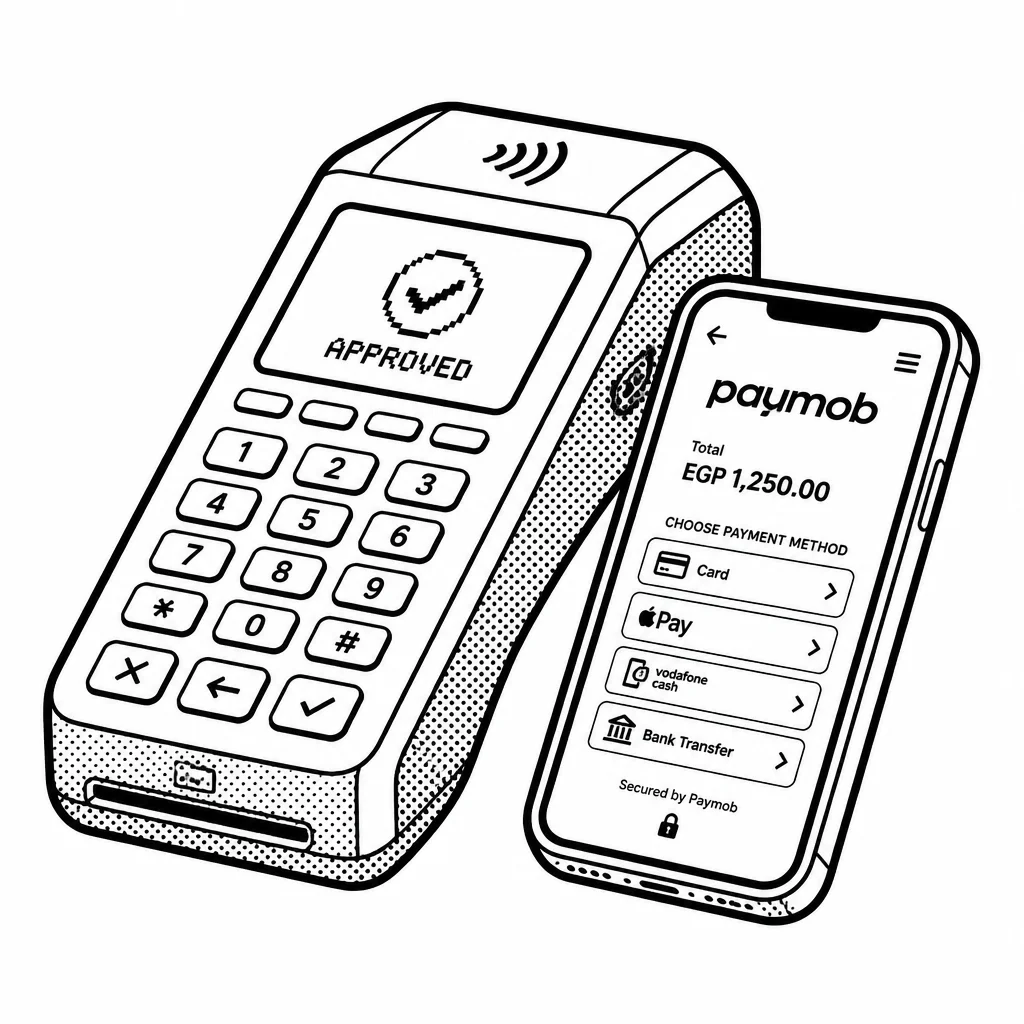
The business works like plumbing for money. A shop signs up with Paymob, plugs it into its website or hands a customer its card machine, and Paymob handles the messy middle — talking to the customer's bank, the shop's bank, and the payment networks — then moves the money and skims a small fee on each transaction. The more a merchant sells, the more Paymob earns, so its job is to get millions of small businesses onto digital payments and keep them there. The bigger and more interesting bet is lending. Paymob runs a lending arm that advances money to merchants based on the sales flowing through its system — short-term cash to buy inventory or cover a slow month. That turns a thin-margin payments business into something stickier and more profitable, because a merchant who borrows through Paymob has a strong reason to keep processing payments through Paymob too. It competes with other regional fintechs and with banks, but its edge is being close to small merchants that banks tend to ignore.
Paymob's backers include big global investors, and it has expanded beyond Egypt into markets such as Pakistan and the United Arab Emirates. The simple story: it is trying to be the rails and the wallet for commerce in a huge, still-mostly-cash part of the world.
Saved answer · last researched 10 Nov 2026