Understand any stock in simple English
Enter a ticker to learn what the company does and how it makes money.
Checkout Ltd.
Checkout.com is a payments company that lets online businesses accept card payments and get paid quickly around the world.
Checkout.com is a payments company that sits quietly behind many of the online stores and apps you use. When you pay for something on the internet, the money doesn't travel straight from your bank to the shop. It has to be checked, approved, and moved through several systems. Checkout.com provides that plumbing for merchants — it takes the card payment, talks to the banks involved, and makes sure the money lands where it should.
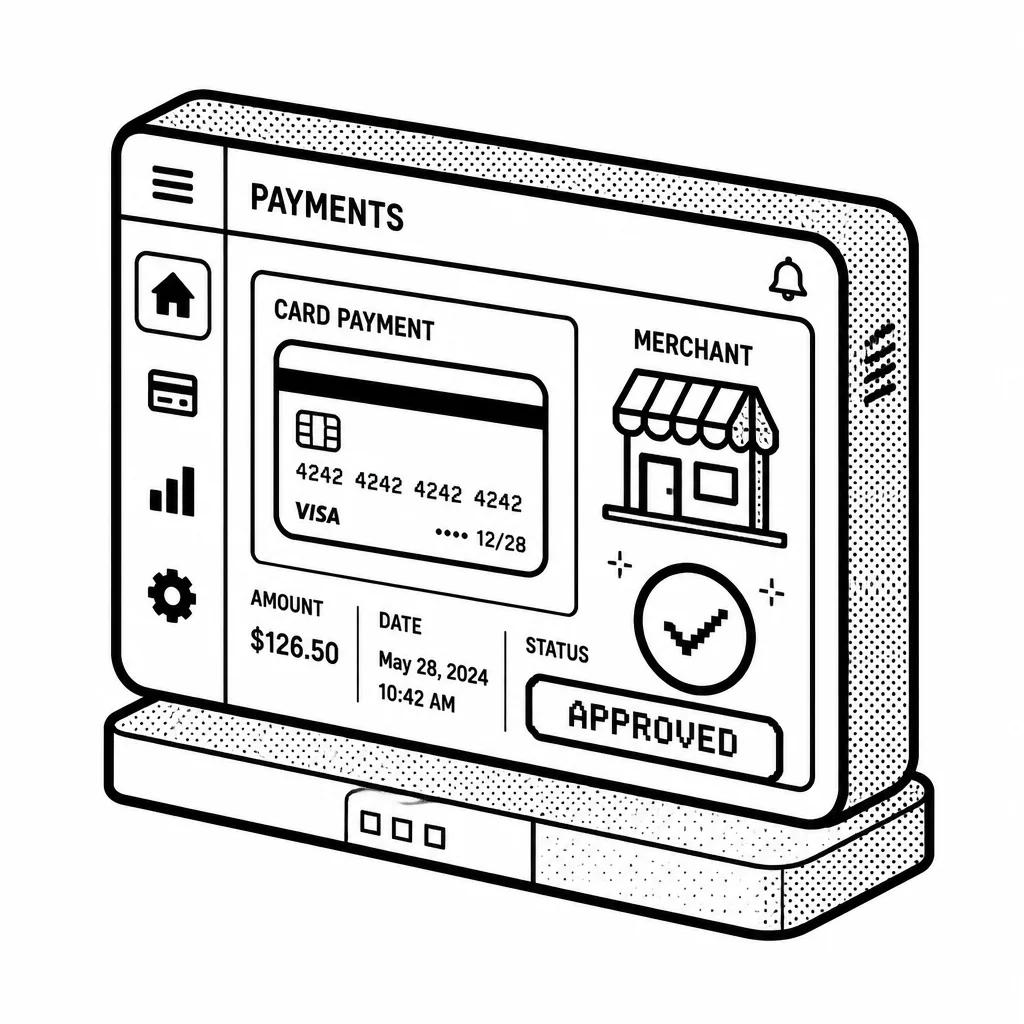
Its customers are businesses that sell online, from big global brands to fast-growing apps and fintech firms. What they pay Checkout.com for is a bundle: accepting payments from many different cards and countries, handling fraud checks, and converting currencies. A merchant picks it over rivals because one connection can serve customers across the world without building separate systems for each country. The company makes its money by charging a small fee on the payments it processes. Checkout.com is based in London and was founded in 2012 by Guillaume Pousaz. It grew fast during the boom in online shopping and became one of Europe's most valuable private tech companies, at one point valued around $40 billion. But the easy money era ended. In 2023 the company cut its internal valuation sharply and laid off staff as growth slowed and investors turned cautious. It also faced public friction over how it handled a dispute with the news outlet Bloomberg. Those episodes showed a harder truth: payments is a crowded, low-margin business where scale and reliability matter more than hype.
Its competitors include big established players like Adyen and Stripe, plus traditional banks and other payment processors. Checkout.com stands out by targeting large, global merchants and offering them a single platform for many markets. The business depends on trust and uptime — if a payment fails, the merchant loses a sale and the customer walks away. That makes reliability its real product.
Saved answer · last researched 10 Nov 2026