Understand any stock in simple English
Enter a ticker to learn what the company does and how it makes money.
Groupe Forrest International (GFI S.A.)
Groupe Forrest International is a family-owned industrial group that builds and runs mines, power plants and infrastructure, mostly in the Democratic Republic of Congo.
Groupe Forrest International is a Belgian family-owned industrial group whose real home is the Democratic Republic of Congo. It does the heavy, physical work of building a country's economy: it builds and operates mines, generates and distributes electricity, and constructs the roads, buildings and public works that big projects need. If you picture a company that shows up with engineers, trucks and generators in places where reliable power and paved roads are scarce, you have the right picture.
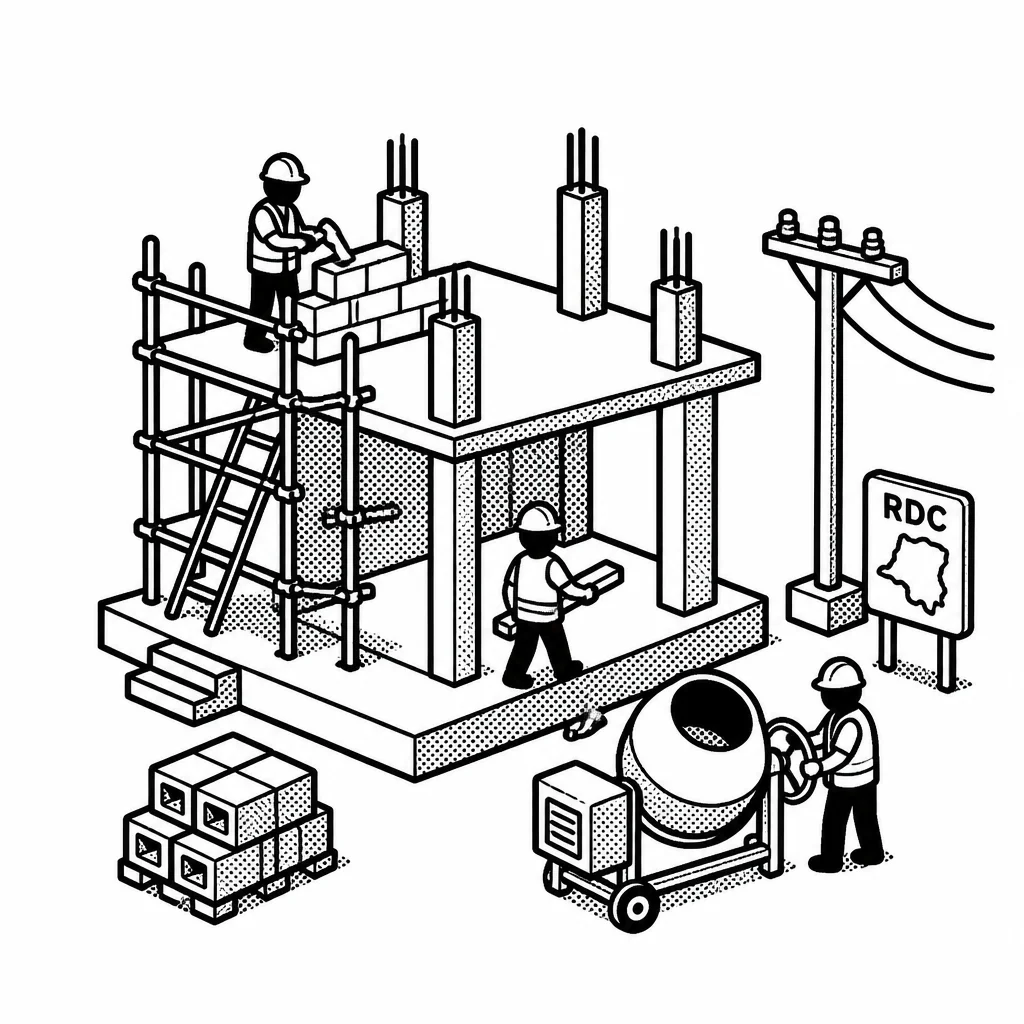
The group's most famous chapter is its role in Congo's copper and cobalt belt. Its subsidiary Forrest Group (known locally as George Forrest) partnered with Glencore on the Mutanda and KOV copper-cobalt mines in Katanga, helping develop some of the world's richest deposits of cobalt — the metal that goes into batteries for phones and electric cars. GFI's mining arm also holds interests in other Congolese mining ventures. Alongside mining, it runs power generation and distribution businesses that supply electricity to mines and cities, and it operates a construction and civil engineering division that builds everything from factories to airports. The money comes from several directions. Mining partners pay for development and operating work, and GFI earns returns from its stakes in those projects. Electricity customers — mines and municipalities — pay for power. And clients who need something built, from a plant to a road, pay the construction arm. The appeal is simple: in a country where few companies can deliver complex projects reliably, GFI has decades of local know-how, relationships and equipment that are hard to copy.
The business is not for the faint of heart. Congo has a long history of political instability, changing mining laws and disputes with partners and the government, and GFI has lived through plenty of it. Its fortunes are tied to commodity prices and to how Congo's government treats foreign investors. That combination — huge resource wealth on one side, political and legal risk on the other — is the whole story of this company. It is a bet on Congo's development, run by a family that has been placing that bet for generations.
Saved answer · last researched 10 Nov 2026