Understand any stock in simple English
Enter a ticker to learn what the company does and how it makes money.
Ivanhoe Mines Ltd.
Ivanhoe Mines digs copper, zinc, and platinum-group metals out of the ground in Southern Africa and sells them to metals buyers around the world.
Ivanhoe Mines is a mining company. It does not make anything you can hold in your hand except rocks packed with metal. It owns big deposits in Southern Africa, pulls out copper, zinc, and platinum-group metals, and sells them into global metals markets where smelters, traders, and manufacturers pay for the raw material.
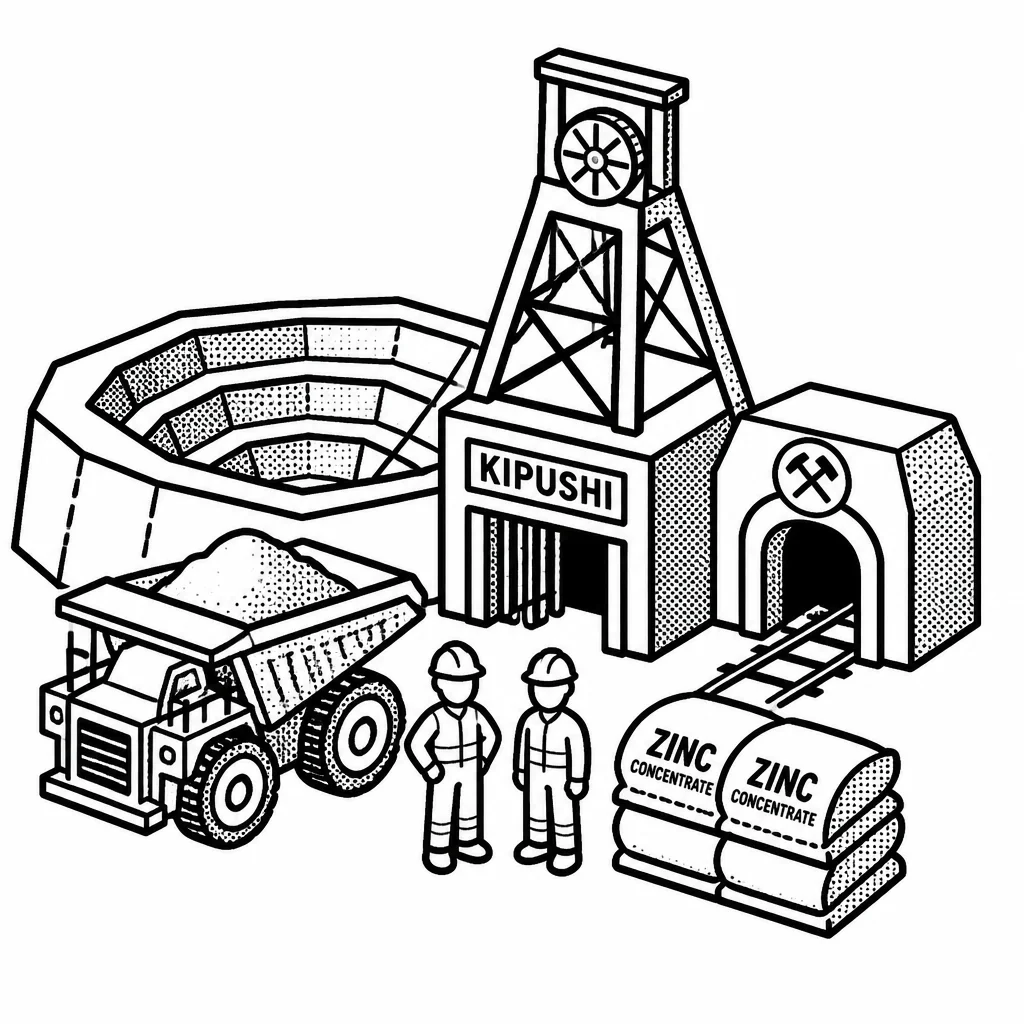
Its most important asset is Kamoa-Kakula in the Democratic Republic of Congo, one of the largest and highest-grade copper mines on the planet. Copper is the metal that carries electricity, so it goes into wires, motors, and data centers, and demand keeps climbing as the world electrifies. Ivanhoe also owns the Kipushi zinc mine in Congo and the Platreef platinum-group metals project in South Africa, plus exploration ground nearby. The company is headquartered in Canada and listed in Toronto, but the actual business lives in African rock. The economics of mining are simple and brutal. You spend enormous sums building a mine years before you sell a single pound of metal, then you dig for decades and hope the metal price stays high enough to cover your costs. Ivanhoe's edge is grade: Kamoa-Kakula's ore is unusually rich, which means each tonne of rock yields more sellable copper at a lower cost than most rivals can manage. That low cost matters enormously when copper prices fall, because the cheapest producer keeps making money while expensive ones bleed.
The company's story is tied to Robert Friedland, a flamboyant mining promoter who built Ivanhoe's earlier iteration, sold a Mongolian copper project to Rio Tinto for billions, and then bet on Congo when many investors were afraid of it. That bet paid off. Kamoa-Kakula started producing in 2021 and has been ramping up since, and Ivanhoe has been pouring cash into expansions and new mines rather than paying a dividend. It also faces real risks: Congo's politics and infrastructure, power shortages, and the fact that metal prices swing wildly. But for a company that owns some of the best copper ground left on Earth, those risks are the price of admission.
Saved answer · last researched 12 Nov 2026