Understand any stock in simple English
Enter a ticker to learn what the company does and how it makes money.
Holcim AG
Holcim makes and sells the basic materials of construction—cement, concrete, aggregates, and roofing—that builders use to put up homes, offices, roads, and bridges.
Holcim is one of the world's largest building-materials companies. If a city is growing, Holcim is usually somewhere underneath it: its cement binds concrete together, its aggregates form the gravel and crushed stone inside that concrete, and its roofing products go on top of the buildings once they are finished. The customers are construction companies, concrete producers, infrastructure contractors, and do-it-yourself buyers, and they pay for materials by the truckload or the ton.
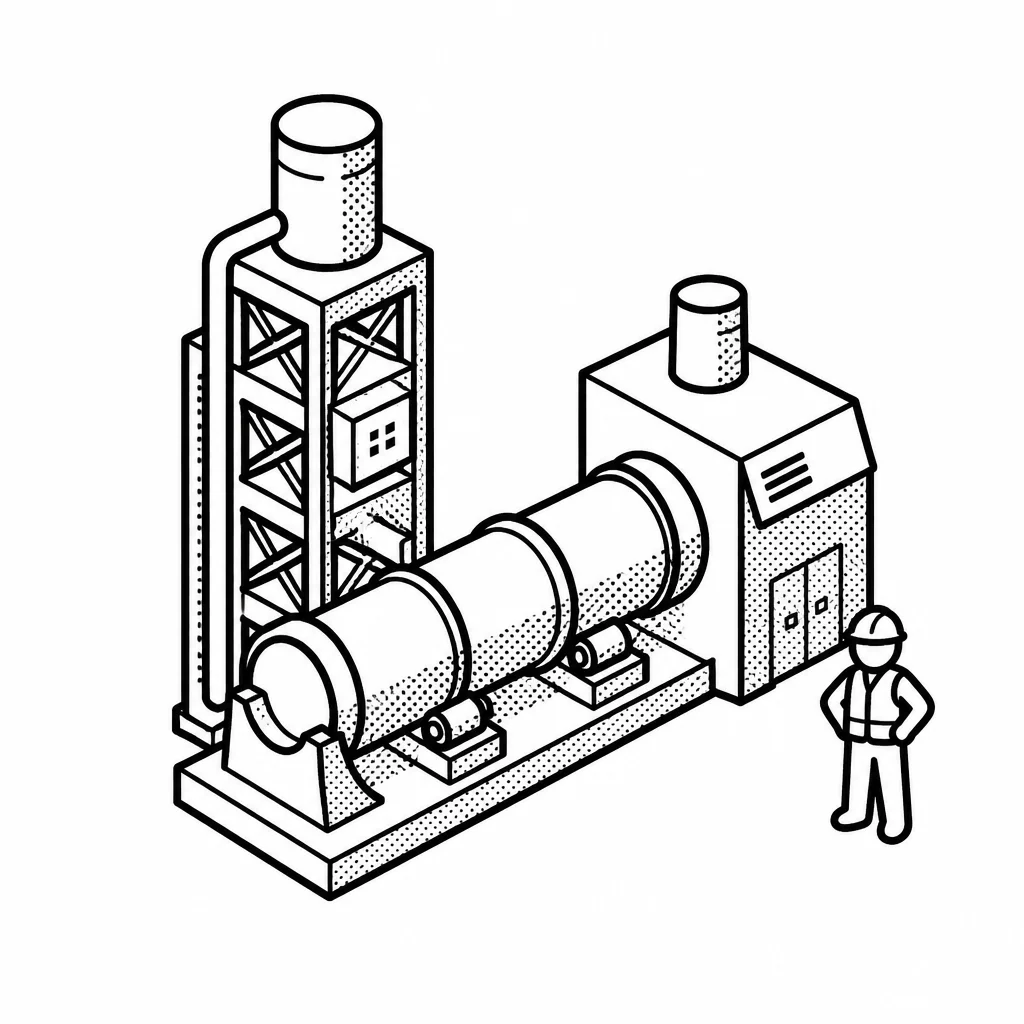
The business is best understood from the ground up. Cement is the glue in concrete—the powder that reacts with water to harden into a kind of artificial rock—and it is made by heating limestone and clay in huge kilns at extremely high temperatures. That process is energy-hungry and releases a lot of carbon dioxide, which is the industry's central problem and Holcim's too. Aggregates are the cheap, heavy filler: sand, gravel, and crushed stone that make up most of concrete's bulk. Because these materials are bulky and low-value relative to their weight, shipping them far rarely makes sense, so the real game is owning quarries and plants close to where people are building. That local footprint, plus the permits and relationships needed to run a quarry, is a big part of why the business is hard to copy. Holcim used to be called LafargeHolcim, the product of a 2015 merger between France's Lafarge and Switzerland's Holcim, and it renamed itself Holcim in 2021. It sold off much of its cement business in India in 2022, a reminder that this is a company constantly reshaping its portfolio toward markets it thinks will grow. It has pushed hard into "solutions"—roofing, waterproofing, and other products sold under brands like Elevate—because those tend to earn better margins than plain cement. Its main global rivals are Heidelberg Materials HEI and Cemex CX, and in roofing it competes with names like Standard Industries-owned GAF and Owens Corning. The industry is cyclical: when interest rates rise and construction slows, orders dry up.
The big question hanging over Holcim is carbon. Making cement accounts for a meaningful slice of global emissions, and governments are tightening rules and customers are asking for greener products. Holcim is betting on things like lower-carbon cement blends and recycled materials to stay ahead of that pressure, and it spends real money on acquisitions and new plants to shift its mix. It also returns cash to shareholders through dividends and buybacks. The simple version: Holcim sells the stuff that holds the built world together, earns money because it owns the local quarries and plants that make that stuff, and now has to prove it can keep doing so while cleaning up one of the dirtiest manufacturing processes on earth.
Saved answer · last researched 14 Nov 2026