Understand any stock in simple English
Enter a ticker to learn what the company does and how it makes money.
Vinci SA
Vinci builds and operates big infrastructure like roads, bridges, and airports, and gets paid both to construct them and to run them for decades.
Vinci is a French giant that does two related things: it builds things like highways, bridges, and airports, and then it often owns and operates them too. You see its work every day without knowing it — the toll road you drive on, the airport you fly through, the parking garage you leave your car in.
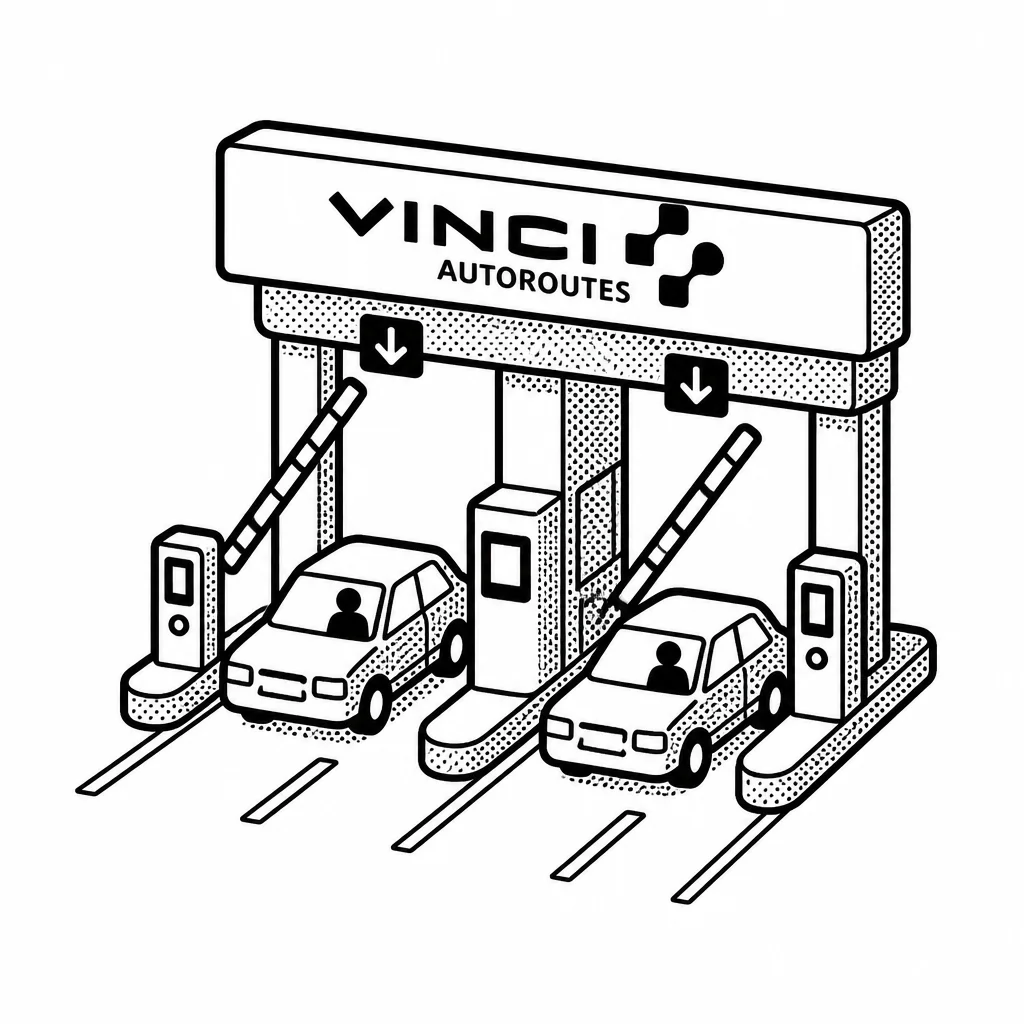
The construction side is the simpler part to picture. Vinci's builders dig tunnels, lay train tracks, pour concrete, wire up electrical systems, and install pipes — for governments and private clients who need big projects done. That business gives Vinci steady work and scale, but margins are thin and the competition is fierce. The interesting machine is the concessions side, where Vinci doesn't just build something and walk away. It signs long-term deals to operate that infrastructure and charge the people who use it. Here is why that matters. If you build a toll road, you spend a fortune up front, then collect small fees for decades. That is a different business from building and moving on — it's an asset that keeps paying out year after year. Vinci owns and runs a wide network of toll roads (mostly through its motorway arm), airports including several in Portugal and the UK, and plenty of parking facilities. Concessions quietly generate a big share of the company's profit, and they're the reason its cash flow is famously reliable.
That steady cash has to go somewhere. Vinci pays a dividend, buys back shares, and keeps buying smaller businesses to expand its footprint — it has been a serial acquirer of energy and engineering firms. There's a neat piece of history here: Vinci traces its roots to 1899, and the name refers to the great Renaissance artist and thinker, chosen to suggest inventiveness. It has grown from a French construction firm into one of the world's largest infrastructure groups, present across Europe and far beyond. Competitors include Spanish and French heavyweights like ACS, Bouygues, and Ferrovial, but Vinci's mix of building muscle and long-term concessions is what sets it apart. The risk is simple: when the economy slumps, traffic falls, projects slow down, and the toll booths collect less.
Saved answer · last researched 14 Nov 2026