Understand any stock in simple English
Enter a ticker to learn what the company does and how it makes money.
Dolce & Gabbana S.r.l.
Dolce & Gabbana designs and sells high-end clothing, handbags, accessories, and cosmetics under its own luxury brand name.
Dolce & Gabbana is an Italian luxury fashion house that sells expensive clothes, handbags, shoes, and beauty products to people who want to wear a bold, glamorous Italian brand. The company is still run by its two founders, Domenico Dolce and Stefano Gabbana, and it remains privately owned. Unlike many rivals that sold shares to the public, this one stayed in the hands of its founders, which lets them make long-term decisions without answering to stock market investors every three months.
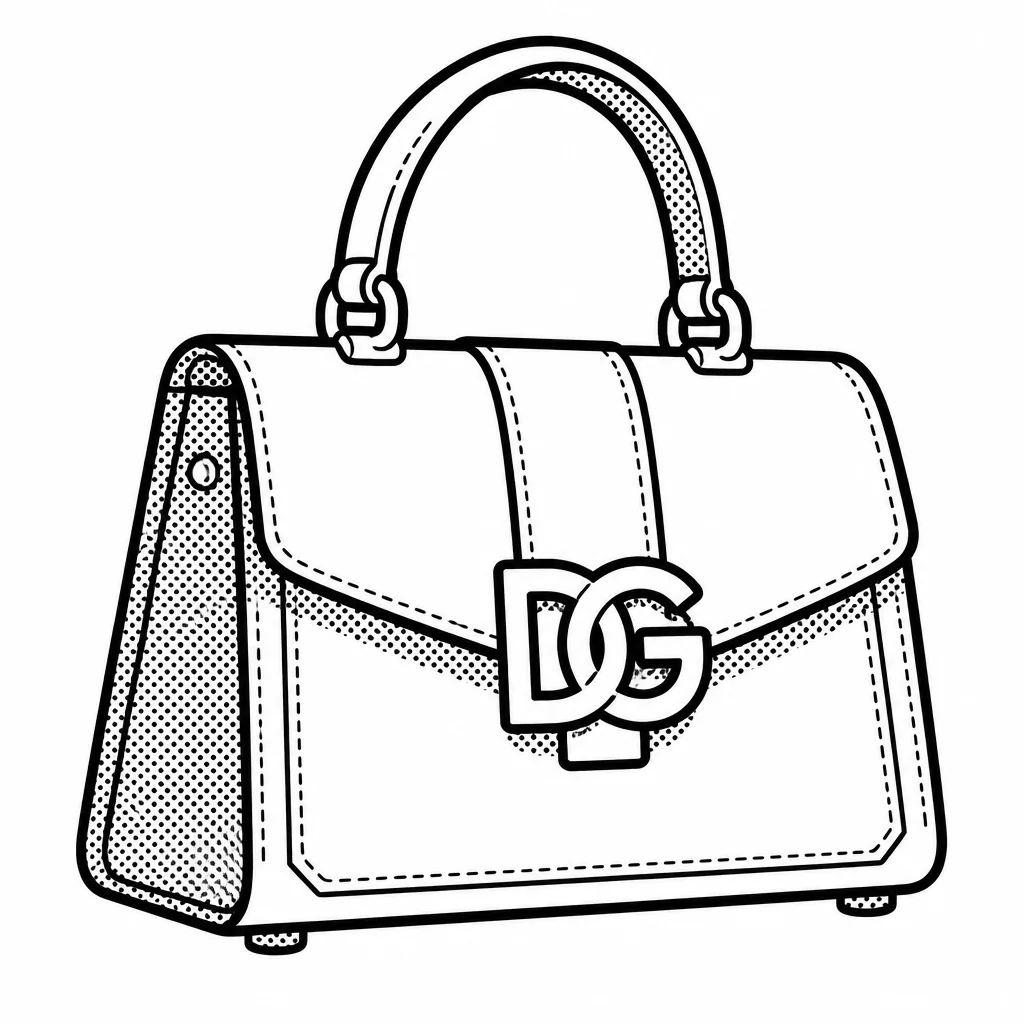
The company makes money in two main ways. First, it sells its own clothing and accessories through its own stores and its website, plus through department stores and specialty boutiques around the world. Second, it licenses its name to partners who make and sell perfume, cosmetics, eyewear, and watches under the Dolce & Gabbana label, paying the company royalties for the right to use the brand. The brand itself is the real asset here. People pay premium prices because of what the name signals — Italian craftsmanship, drama, sensuality, and a certain over-the-top glamour. That glamour has also been the company's biggest risk. Dolce & Gabbana has repeatedly gotten into trouble with marketing campaigns that offended people, most famously a 2018 ad series in China that many viewers found racially insensitive. The backlash was severe, Chinese retailers pulled products, and the brand's presence in one of the world's biggest luxury markets suffered. The founders have also clashed publicly with each other at times and with the wider fashion industry, and the company has faced tax disputes with Italian authorities. These episodes show a business built heavily on the personal taste and personalities of two men — which is both its magic and its fragility.
Competing against giants like LVMH and Kering, which own dozens of brands and have far deeper pockets, Dolce & Gabbana stays independent and relatively small. It has no major acquisitions to its name and does not chase every trend. Instead it leans on its core identity: Sicily, tailoring, lace, and leopard print. For a certain customer, that is exactly the point — the brand feels personal and defiant rather than corporate. Whether that independence keeps working as luxury consolidates around bigger groups is the central question hanging over the company.
Saved answer · last researched 10 Nov 2026