Understand any stock in simple English
Enter a ticker to learn what the company does and how it makes money.
Chanel Limited
Chanel sells luxury fashion, perfume, and beauty products, and makes most of its money selling high-end handbags and ready-to-wear clothing.
Chanel is one of the world's most famous luxury brands. It sells expensive handbags, clothes, perfume, makeup, and jewelry to wealthy customers who want a piece of a name that signals taste and status. The company is private, owned by the Wertheimer family, and it does not trade on any stock exchange.
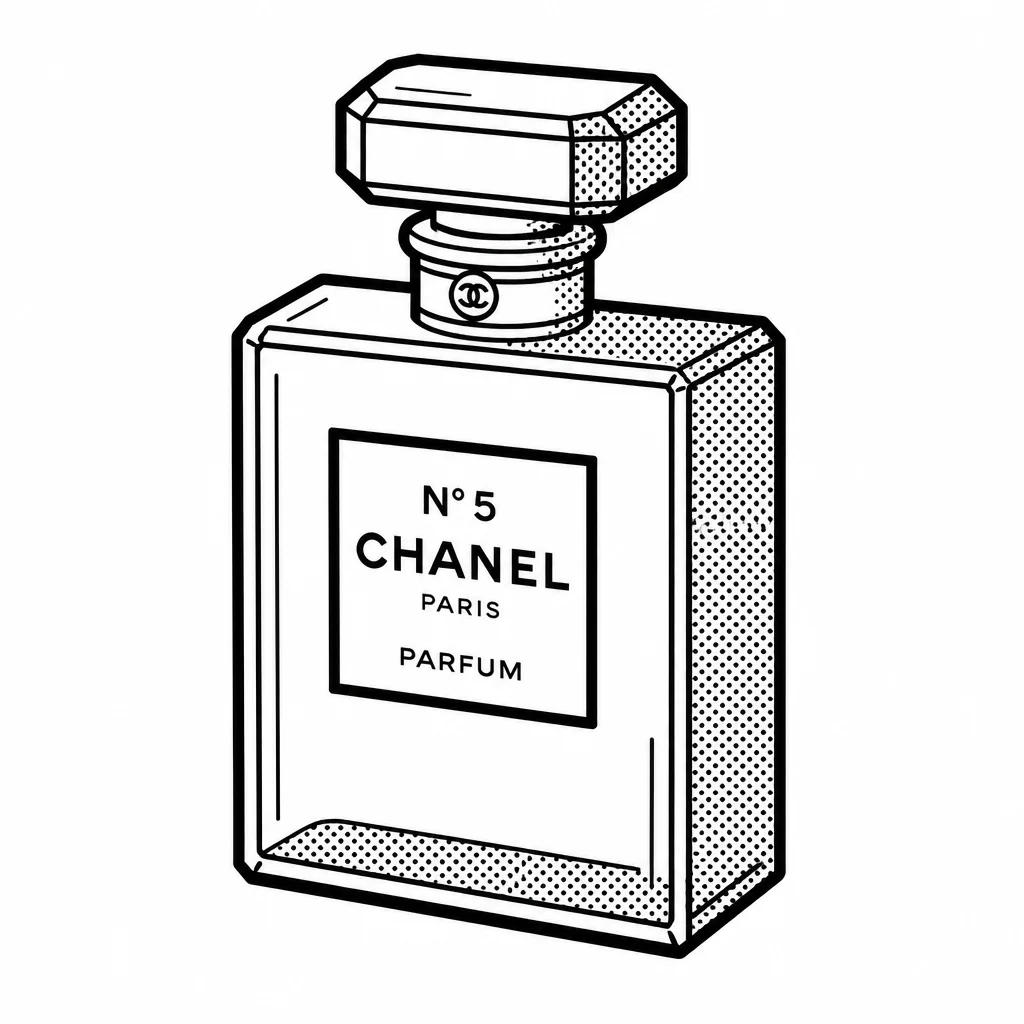
The business runs on a simple engine: sell fewer things at very high prices. A classic Chanel handbag can cost thousands of dollars, and the brand deliberately keeps supply tight to protect its aura. Its famous No. 5 perfume and beauty counters bring in customers who cannot yet afford a $10,000 bag, giving Chanel a wider funnel into luxury. The company also spends heavily on marketing and owns its own stores, so it controls the whole experience rather than sharing it with department stores. Chanel is based in London, a quirk for a Paris-born fashion house, because the family holding company sits there. The company reports revenue publicly each year even though it is private. In recent years it has invested in boutiques, supply chain, and manufacturing capacity, and it has raised prices sharply, betting that scarcity and prestige matter more than volume. Its main rivals are other European luxury giants like LVMH and Kering, which own competing fashion houses.
The biggest vulnerability is that luxury depends on wealthy shoppers feeling confident. When economies slow or Chinese demand cools, high-end sales can drop fast. Chanel's bet is that its brand is strong enough to weather those cycles without discounting, which would cheapen the image it has spent a century building.
Saved answer · last researched 10 Nov 2026
BIG PICTURE
Chanel Is the Top Fragrance Brand in Switzerland, With 14% of the Market
- 14% Chanel
- 86% Others
In Switzerland, the home of many luxury houses, Chanel holds 14% of the fragrance market, more than any other brand. That is a useful clue to how Chanel makes money. Handbags and clothes bring in the bulk of revenue, but perfume and beauty make up a steady quarter of the business and give shoppers an affordable first taste of the label. Source: Euromonitor, data from 2025
Timeline
Coco Chanel Opens Her First Shop
Coco Chanel opened a small hat shop in Paris, and the lease only allowed her to sell hats. So she moved into something else: comfortable, practical clothes for women, at a time when dresses were tight and built around corsets. Her simple designs became the look the brand still stands for today.
No.5 Makes a Splash
Chanel asked a perfumer to create a scent to go with her clothes, and the one she liked best was sample number five. At first she gave it to clients as a gift. Its popularity led the house to start selling it, and No.5 became the foundation of a perfume empire.
The Deal That Split the Perfume Business
To pay for the growing perfume business, Chanel took on a wealthy partner, Pierre Wertheimer, who put up the money. He ended up owning most of it while she owned a small slice. She came to resent the deal and tried to renegotiate, but it stayed as it was, putting the Wertheimer family at the financial heart of Chanel for generations.
Coco Chanel's Comeback
After years away in Swiss exile, Coco Chanel returned at the age of 71 and reopened her fashion house, with Pierre Wertheimer paying the bills. She wanted to show a woman could be a great designer, and the world noticed. The quilted handbag with a gold chain arrived in 1955, and everyone from Elizabeth Taylor to Jackie Kennedy wore her designs.
A Young Wertheimer Takes Over
At just 24, Alain Wertheimer took control of the company. He opened boutiques around the world and pushed into ready-to-wear clothes.
Karl Lagerfeld Takes Creative Control
Alain and his brother Gérard handed creative direction to Karl Lagerfeld. He took Chanel's old codes and gave them a modern edge, with memorable campaigns and runway shows that widened the brand's appeal. This is where the modern luxury template came from: couture creates the dream that drives demand for high-margin accessories and beauty. Over his 36 years, Chanel grew spectacularly.
Chanel's CEO Is Dismissed
CEO Maureen Chiquet was dismissed, kicking off a long restructuring of the group.
Chanel Becomes a British Company
Chanel set up Chanel Limited, a holding company in London, to sit above most of the group's entities and simplify its structure. The move made the quintessential French luxury label legally a British corporation, with London picked as the most central base for its international markets. Chanel also started publishing annual results, which fuelled talk of a stock market listing.
Chanel Picks a New CEO
Leena Nair came from Unilever to become CEO, running the empire from London while Alain Wertheimer stayed on as executive chairman. Nair later said Chanel would stay private and independent, ruling out an IPO.
Virginie Viard Is Ousted
Chanel abruptly ended its collaboration with creative director Virginie Viard, who had taken over from Lagerfeld in 2019 and grown the business nearly threefold. The move was seen as the Wertheimer family's way of overhauling the old Paris-centred system and reducing reliance on any one person. Matthieu Blazy was announced as the new creative director, the first outside designer to hold the post since Lagerfeld.
Chanel Returns to Growth
Chanel swung back to growth, with revenue up a little to about $19 billion, a turnaround from a decline the year before, led by the Americas. Momentum sped up in the second half, and China returned to growth late in the year. A new handbag, a fragrance and a jewelry line led the way, and the company spent heavily buying suppliers.
Blazy Mania Arrives
Matthieu Blazy's first collections hit stores in March, sparking what people called "Blazy mania" and an exceptionally warm reception from new and existing clients. Chanel is betting on renewed vibrancy in China and the buzz around Blazy, opening new stores there even as the industry slows. Operating profit rose to about $4.7 billion, and the company keeps investing in boutiques, suppliers and a new London headquarters.