Understand any stock in simple English
Enter a ticker to learn what the company does and how it makes money.
Prada S.p.A.
Prada designs and sells luxury handbags, clothes, and shoes, mostly under its own brand name.
Prada is one of the world's best-known luxury fashion houses. It sells high-end handbags, clothing, and shoes to wealthy shoppers who want a status symbol, not just a product. A woman might pay thousands of dollars for a nylon backpack or a leather bag with the small triangular logo, and that logo is the whole point: it signals taste and money at the same time.
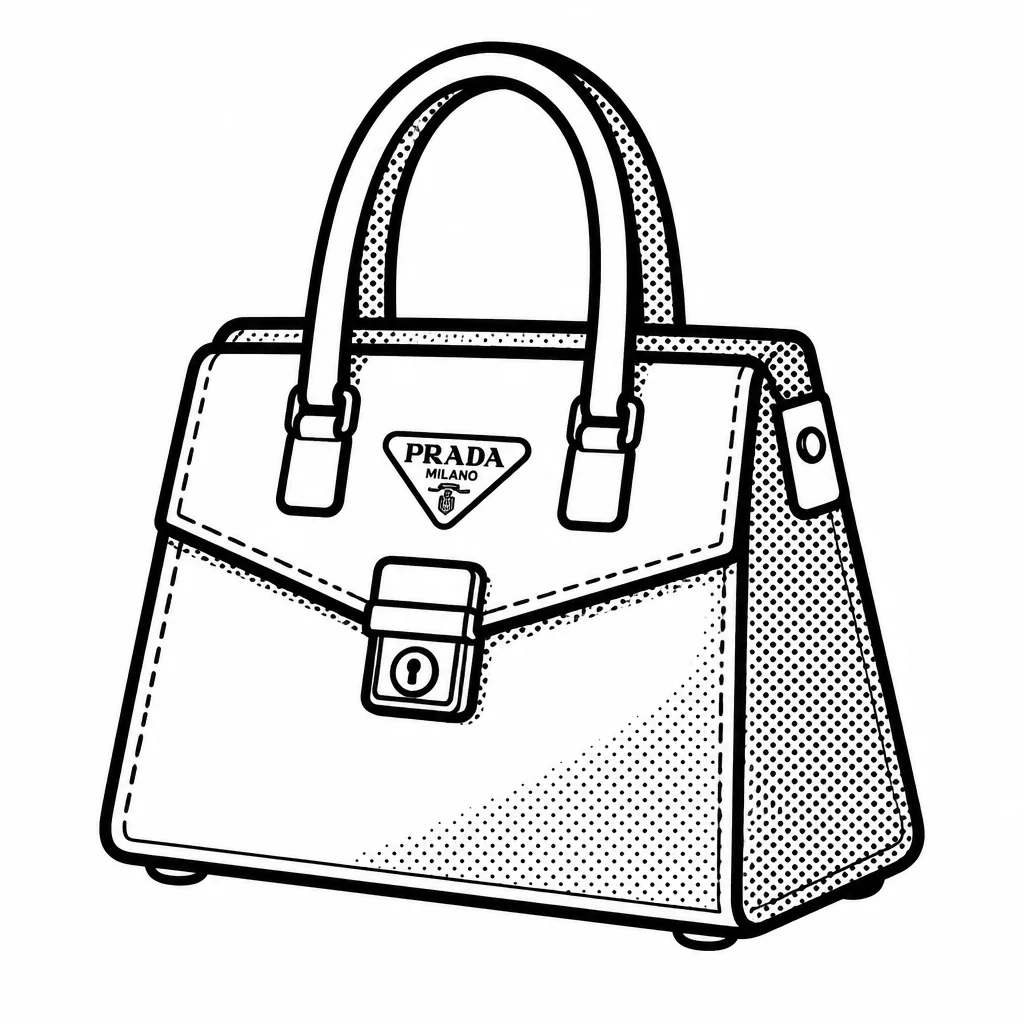
The company makes money by selling its goods through its own stores and through department stores and online. Most of its revenue comes from leather goods, especially handbags, which are the profit engine of nearly every luxury brand because they carry huge markups and don't go out of style as fast as clothing. Prada also owns Miu Miu, a younger, hipper sister brand that has been growing fast and pulling in new customers. Selling directly to shoppers in its own boutiques matters a lot, because it keeps the brand feeling exclusive and lets Prada keep more of the money instead of splitting it with a retailer. Luxury fashion is a strange business. The product is not really the bag — it's the feeling of owning the bag. That's why Prada spends heavily on fashion shows, celebrity endorsements, and beautiful stores in prime locations like Milan, Paris, and New York. Customers choose Prada over LVMH brands like Louis Vuitton or Kering brands like Gucci because of what the name says about them. The risk is that if a brand starts to feel cheap or overexposed, wealthy buyers walk away, and that can happen fast. Prada has had to work hard in recent years to stay cool, shaking up its designs and leaning on Miu Miu's momentum.
Prada is still controlled by the Prada and Bertelli families, a rare thing in an industry where most rivals sit inside giant conglomerates. The company listed its shares in Hong Kong in 2011, which gave it access to Asian investors and reflected how much of the luxury business now happens in China and nearby markets. When Chinese shoppers feel wealthy, Prada does well; when they pull back, the whole luxury sector feels it. That makes Prada a bet on global wealth and taste as much as on stitching and leather.
Saved answer · last researched 9 Nov 2026
BIG PICTURE
Just over 2% of luxury buyers account for 45% of all luxury spending
- 45% Top luxury buyers (just over 2% of buyers)
- 55% All other luxury buyers
Slightly more than 2% of luxury shoppers paid for 45% of the world's luxury spending in 2024, according to Bain & Company. Prada now courts these very important clients with private events, because the middle-class shoppers who once filled its stores are pulling back. Its chief executive says every euro spent on VIP service brings back about 7 euros in sales. Source: Bain & Company, via Vietnam.vn, data from 2024
Timeline
Two Brothers Open a Leather Shop
In 1913, Mario Prada opened a store in Milan's grand Galleria Vittorio Emanuele II, selling trunks, leather goods and luxury accessories. It became a favorite of European aristocracy, and a few years later the Italian Royal House named it an official supplier — an honor whose coat of arms the brand still wears. So the company started not as a fashion label but as a maker of beautiful travel goods for very rich people.
Miuccia Prada Meets Patrizio Bertelli
Decades later, the founder's granddaughter Miuccia Prada brought the creativity, and Patrizio Bertelli brought the business brain. Together they built a new model: she redefined what the brand looked and felt like, while he brought industrial method, financial discipline and a hunger for building a real system. That pairing is the engine behind everything that follows.
The Black Nylon Backpack
In 1985, Prada released a black nylon backpack made from military-grade fabric — almost heresy for a house that was born selling luxury leather. But the material changed the brand's whole aesthetic and its economics: suddenly Prada had its own territory, and customers who happily paid a premium just to be part of that difference.
Men's Wear, Miu Miu and a Foundation
In 1993, three things arrived at once: the first men's collection, the launch of sister brand Miu Miu, and the creation of Fondazione Prada. The company was widening what it sold while also building a cultural home for its legacy — and culture, as it turns out, is much harder for rivals to copy than a handbag.
Prada Buys Church's
In 1999, the group acquired Church's, an iconic British brand of handcrafted luxury shoes. A couple of years later it added Car Shoe, the Italian maker known for driving loafers. Prada was no longer just one label; it was becoming a collection of brands.
Prada Lists in Hong Kong
In 2011, Prada became the first Italian company to list its shares on the Hong Kong Stock Exchange. The listing raised about $2.1 billion, but at the bottom of its expected range, and ordinary retail investors grabbed only a tiny slice of the shares. Still, the company was now public, with all the money and all the scrutiny that comes with it.
The China Slowdown Hits
The stock peaked in early 2013 and never got back to that height. China's anti-corruption crackdown hurt the company badly — growth in net income fell from 29% in 2012 to 9% in 2013, and even that came with same-store sales growth cut in half. Worse, the operating margin kept sliding for years and revenue sat still for the better part of a decade. This was the low point the whole comeback story would have to climb out of.
The Turnaround
Starting in 2016, Prada rebuilt how it did business: it trimmed and streamlined its own stores, pushed hard into e-commerce on its own platforms and through partners worldwide, and tightened up warehousing and logistics. It worked. From 2018 to the end of 2024 the stock more than doubled, and net profit growth became among the best in the industry. The company that had stalled was suddenly moving again.
Raf Simons Shares the Creative Helm
In 2020, Raf Simons joined as co-creative director of the Prada brand, working alongside Miuccia Prada with equal responsibility. It was the first time a new chief designer had come in since she took the role in 1975 — a genuine generational change that brought fresh energy and conversation to a house long defined by one person.
Prada Buys Versace
In December 2025, Prada announced it had completed the purchase of Versace from Capri Holdings for about €1.25 billion — roughly a 40% discount to what Capri had paid seven years earlier. It was funded with €1.5 billion of new debt, giving the group a fourth brand but also raising real questions about leverage and whether such different houses can be stitched together well. The little Milan leather shop now owns a fashion empire.