Understand any stock in simple English
Enter a ticker to learn what the company does and how it makes money.
Chaldal Limited
Chaldal is an online grocery store in Bangladesh that lets people order fresh food and household essentials and get them delivered to their door.
Chaldal is Bangladesh's biggest online grocery service. It sells the things a household needs every week — vegetables, rice, cooking oil, milk, eggs, snacks, cleaning supplies — through a website and phone app, then delivers them to homes in Dhaka and a growing list of other cities. Customers use it to skip the crowded market and the traffic, and to get fresh produce at prices that are often close to what the local shop charges.
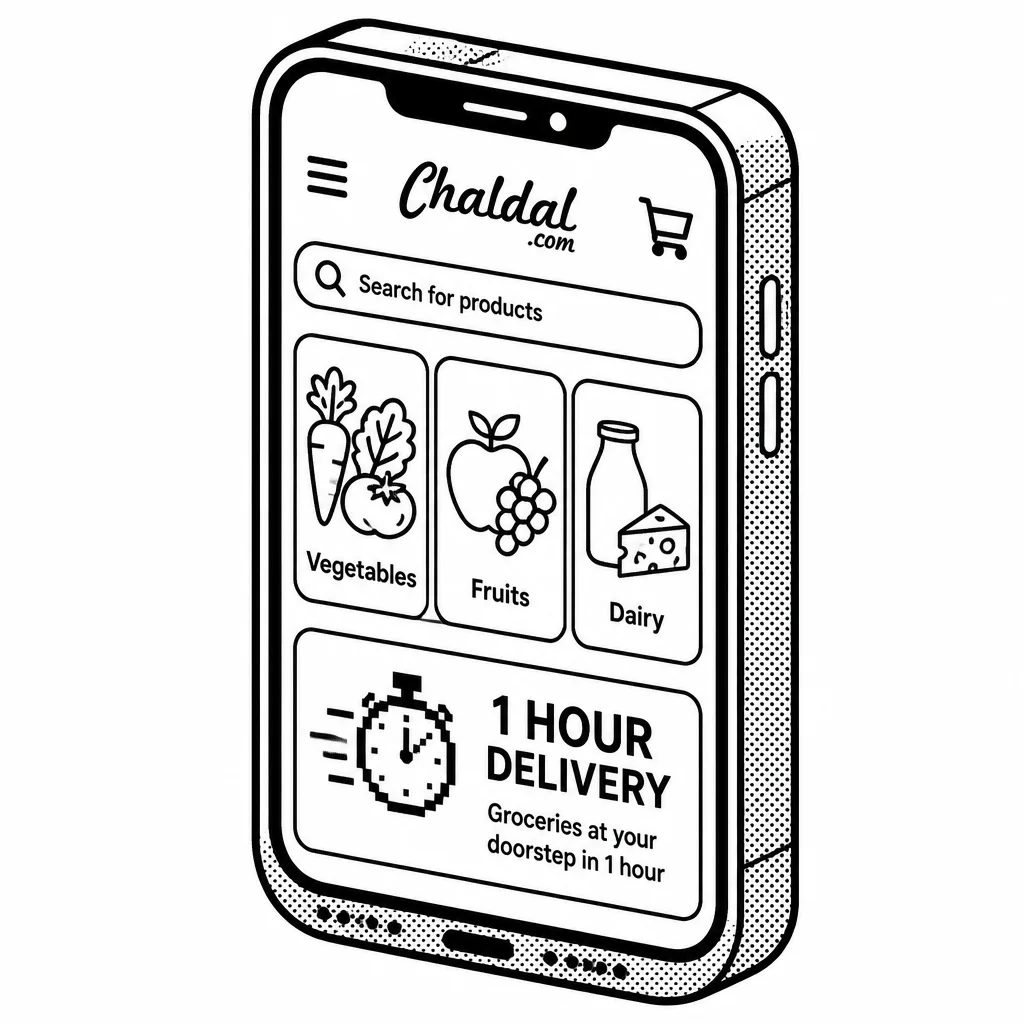
The hard part of this business is not the app. It is the food itself. Vegetables and fish spoil fast, so Chaldal runs its own warehouses and a fleet of delivery riders, and it has to predict what people will buy each day so it does not end up throwing away stock. The company built its own software to manage all of this, because off-the-shelf tools did not fit a market where orders are small, frequent and paid for in cash on delivery. That back-end system is the real machinery behind the storefront. Chaldal was founded in 2013 by Waseem Alim, Zia Ashraf and Tejas Viswanath, who started with a single warehouse in Dhaka and grew by promising next-day delivery at fair prices. The company has raised money from investors including Y Combinator, the well-known Silicon Valley startup program, and it has expanded into its own line of packaged staples under the brand "Chaldal Basics" to earn better margins. Competition in Bangladesh's online grocery space is fierce and price-sensitive, and e-commerce giants like Amazon loom as a longer-term threat, though Amazon does not yet operate locally.
Like most grocery delivery businesses, Chaldal lives on thin margins. It makes money on the small gap between what it pays suppliers and what customers pay, plus delivery fees, and it wins by moving a lot of volume through efficient warehouses. Profit is hard to come by in this industry, so scale and tight cost control matter more than flashy marketing. For shoppers, the appeal is simple: fewer trips, fresher food, and a price that competes with the corner store.
Saved answer · last researched 10 Nov 2026