Understand any stock in simple English
Enter a ticker to learn what the company does and how it makes money.
Fortive Corporation
Fortive sells the unglamorous tools and software that keep factories, hospitals, and power grids running reliably.
Fortive is a collection of industrial businesses that sell the practical gear and software other companies need to keep their operations safe, accurate, and running. If you've ever seen a technician in a hard hat checking a factory machine or a hospital worker sterilizing surgical instruments, there's a decent chance a Fortive product was involved. The company is headquartered in Everett, Washington, a deliberate nod to the aerospace and industrial roots of the region.
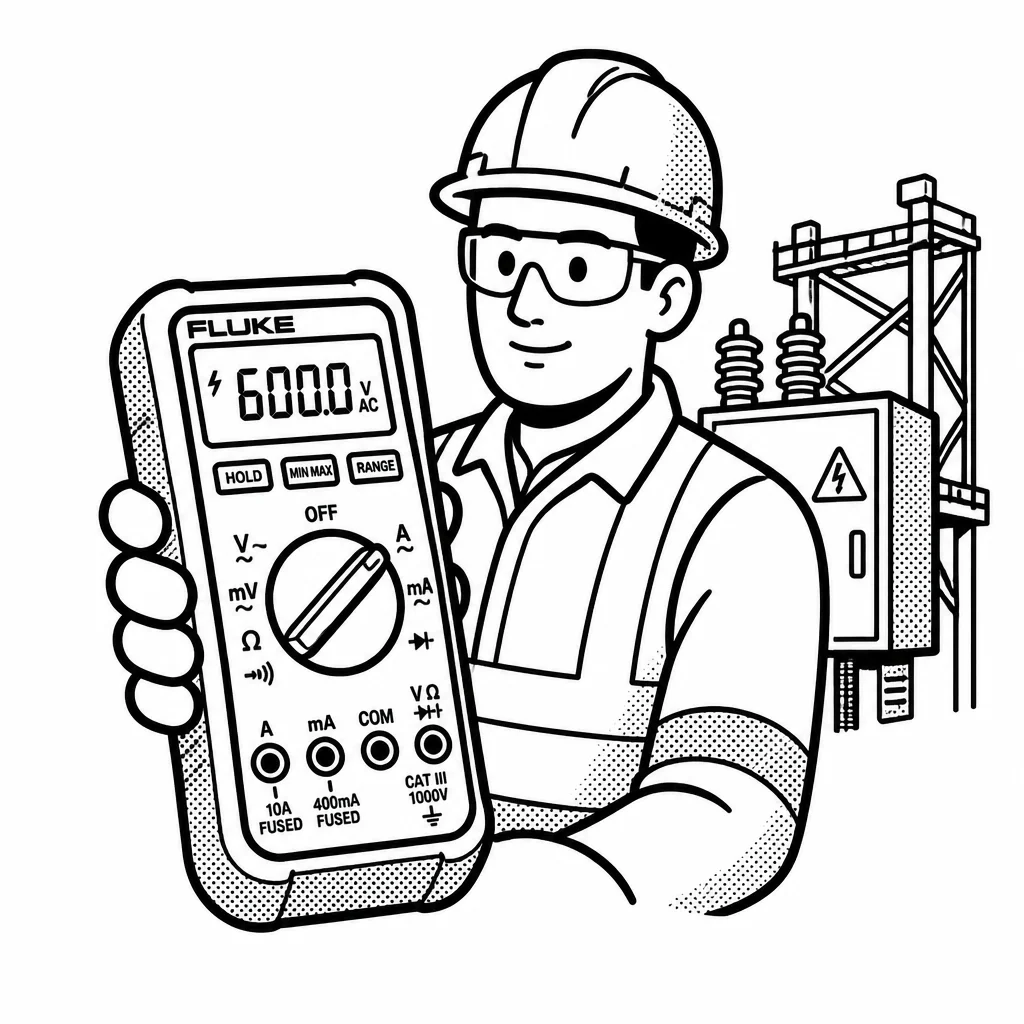
The business splits into two main pieces. One segment makes field tools and equipment — things like electrical testers, calibration gear, and safety devices used by people who work on machines and power systems every day. The other segment sells software and services that help hospitals, labs, and manufacturers track their equipment, keep it compliant with regulations, and avoid expensive breakdowns. That second piece is the newer, faster-growing part, because software subscriptions generate steadier, higher-margin revenue than selling a physical meter once. Fortive didn't start from scratch. It was spun out of Danaher in 2016, taking a batch of industrial brands that didn't fit the parent's focus on life sciences and diagnostics. Under its own roof, Fortive has been steadily reshaping itself — shedding slower, cyclical businesses and buying software companies, most notably the hospital asset-tracking firm eMaint and the utility software maker Accruent, to push toward recurring revenue. The logic is simple: a customer who pays for software every month is stickier than one who buys a torque wrench once a decade.
Here's what makes Fortive interesting and a little fragile at the same time. Its tools business is steady but tied to industrial spending, so when factories slow down, sales of test equipment follow. The software push helps offset that, but it also means Fortive is competing with bigger software players and must keep acquiring to grow. It spends heavily on research and development and on bolt-on acquisitions, and it returns some cash to shareholders through buybacks. The real test is whether it can turn a grab bag of industrial brands into a coherent, high-margin software-and-tools company without overpaying along the way.
Saved answer · last researched 10 Nov 2026