Understand any stock in simple English
Datasection Inc.
Datasection helps businesses use AI and data, from running AI data centers and cloud services to building data analytics and marketing tools.
Datasection is a Japanese technology company that helps other businesses put data and artificial intelligence to work. It does this through a mix of services: running AI data centers and cloud infrastructure, providing data science and analytics, building and integrating computer systems, and offering marketing solutions. The customers are mostly companies in Japan and abroad that need help turning messy data into something useful but don't want to build all the plumbing themselves.
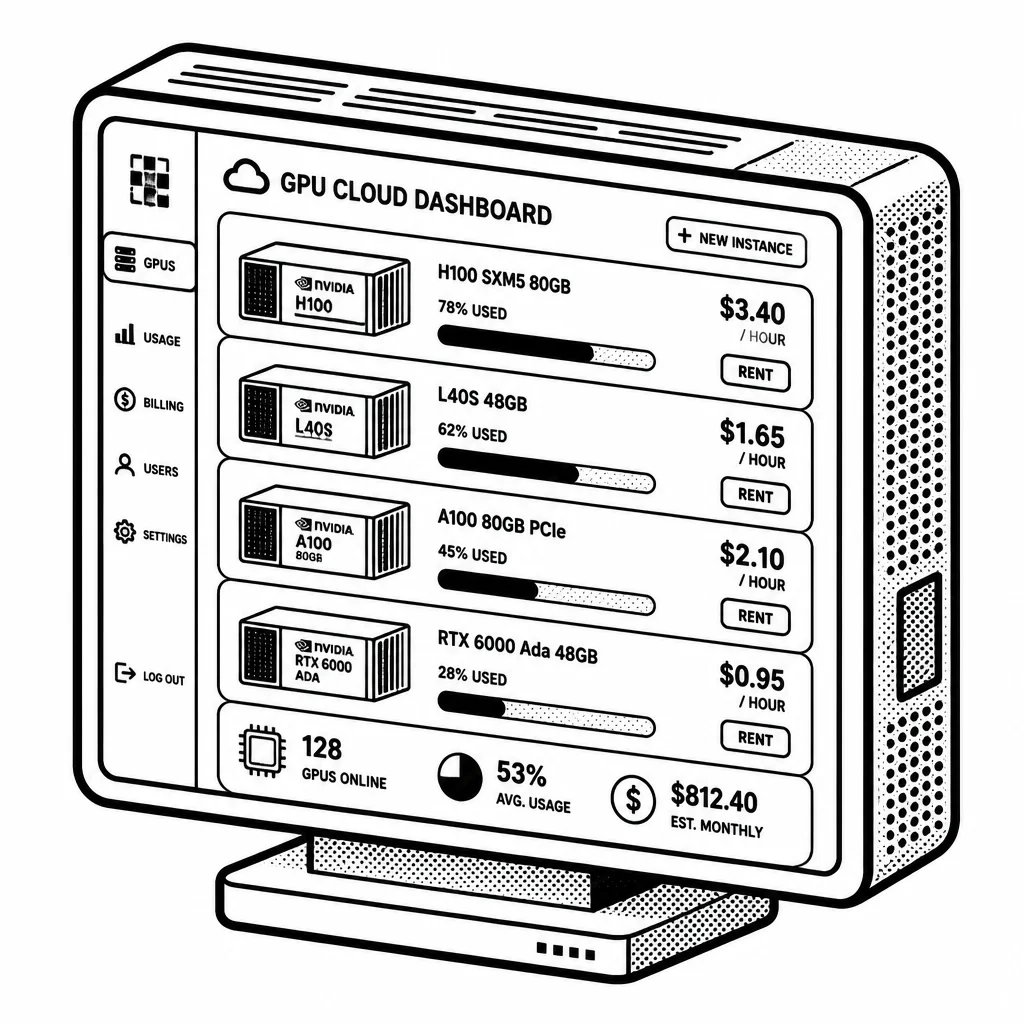
The AI data center and cloud piece is the part that has gotten the most attention lately. Training and running AI models takes enormous computing power, and most companies can't afford to build that from scratch. Datasection offers that capacity as a service, so a customer can rent the heavy machinery instead of buying it. It's a bit like renting a commercial kitchen by the hour instead of building one in your basement — you get the ovens and the space without the giant upfront bill. The other side of the business is more about brains than hardware. Its data science and system integration teams help clients organize their information and connect the software systems that run their operations. The marketing solutions arm then helps them use that data to reach customers more effectively. Together, these services make Datasection a kind of all-purpose data contractor: it supplies the computers, the analysis, and the tools to act on what the analysis finds.
The company is small and its fortunes are tied to how quickly businesses actually adopt AI. That's a real opportunity, since demand for AI computing keeps climbing, but it's also a risk — the field is crowded with much larger cloud providers and it's expensive to keep building and upgrading data centers. Datasection's bet is that being a focused, Japan-based partner that handles the whole data-to-AI chain will win customers who want one trusted helper rather than a pile of separate vendors.
Saved answer · last researched 20 Nov 2026
BIG PICTURE
One customer channel paid for 90.7% of Datasection's revenue last fiscal year
- 90.7% Datasection
- 9.3% Other revenue
Almost all of Datasection's money came through a single channel: a Tokyo intermediary reselling its GPU capacity to one unnamed cloud provider. That one path brought in ¥30.5 billion, or 90.7% of fiscal 2026 revenue. When that customer cancelled a big follow-on order in November, the company cut its full-year revenue forecast by 89%. The servers and leases stay behind. Source: SemiAnalysis, data from 2026
Timeline
Datasection Starts in Shibuya
In July 2000, a small company opened in Shibuya, Tokyo, with a big idea: use data analysis to change how businesses work and make people's lives better. Its founders wanted Datasection to be the world's "data section" — the go-to team for companies everywhere that needed help making sense of their data.
Datasection Goes Public
Fourteen years later, the company listed on the Tokyo Stock Exchange's Mothers market, the growth-focused board for younger firms. The shares were offered at 520 yen each in a public sale led by Daiwa, Monex, SBI and other underwriters, giving the business access to public money and a bigger stage.
FollowUP Comes Aboard
In 2018, Datasection bought the Japan development and sales business of FollowUP from Alm Inc. FollowUP was a pay-as-you-go software tool that used AI cameras and checkout data to analyze retail stores. It became the company's entry into retail marketing and grew into a core service.
A Chilean Footprint
The next year, Datasection acquired Chilean company Jach Technology and made it a subsidiary. Jach held the rights to sell FollowUP in Latin America and South Asia, so the deal opened the door to selling the retail tool overseas, mainly across South America.
Buying a Rival in Latin America
In 2021, Datasection bought Inteligenxia, a Jach competitor that worked in Chile, Peru, Ecuador, Mexico and other markets. The point was to speed up the group's growth in Latin America rather than fight over the same customers.
Betting on AI Data Centres
By 2024, the company had built its name around web monitoring and social media analytics. Then it made a bold turn: it started buying NVIDIA GPU servers and building AI data centre infrastructure — the heavy computing machinery that runs artificial intelligence. This new core business would later send revenue soaring more than tenfold.
A Giant Cloud Contract
In 2025, through partner NowNow Japan, Datasection signed a huge AI data centre service deal with a customer described as one of the world's largest cloud service providers. The contract was worth about $135 million a year over three years, with an option to extend, and service began in September. It would come to make up roughly 90% of the company's revenue the following year — a dangerous dependence hidden inside a triumph.
Revenue Jumps Elevenfold
With the AI data centres running at full scale, the 2026 fiscal year brought revenue of ¥33.6 billion, about eleven times the year before. After four straight loss-making periods, the company finally turned a profit, with operating income of ¥3.5 billion, and it locked in large purchases of NVIDIA's newest B200 and B300 GPU servers to grow its capacity further.
The Forecast Collapses
Then the story cracked. In November 2026, Datasection cut its revenue forecast for the next fiscal year by about 89%, from ¥162.2 billion to ¥17.3 billion, after a major AI infrastructure order was cancelled and several data centre projects fell behind schedule. The profit outlook swung to a projected ¥1.5 billion loss, and the stock sank to ¥681 — about 89% below its May 2026 peak of ¥6,140.