Understand any stock in simple English
Enter a ticker to learn what the company does and how it makes money.
Digital Realty Trust, Inc.
Digital Realty owns and rents out the buildings that house the internet's computers, connecting companies and cloud providers in data centers around the world.
Digital Realty is a landlord for the internet. It owns large buildings called data centers, fills them with power, cooling, and network cables, and rents space to companies that need somewhere safe to run their computer servers. Its tenants range from huge cloud providers to banks, phone carriers, and ordinary businesses.
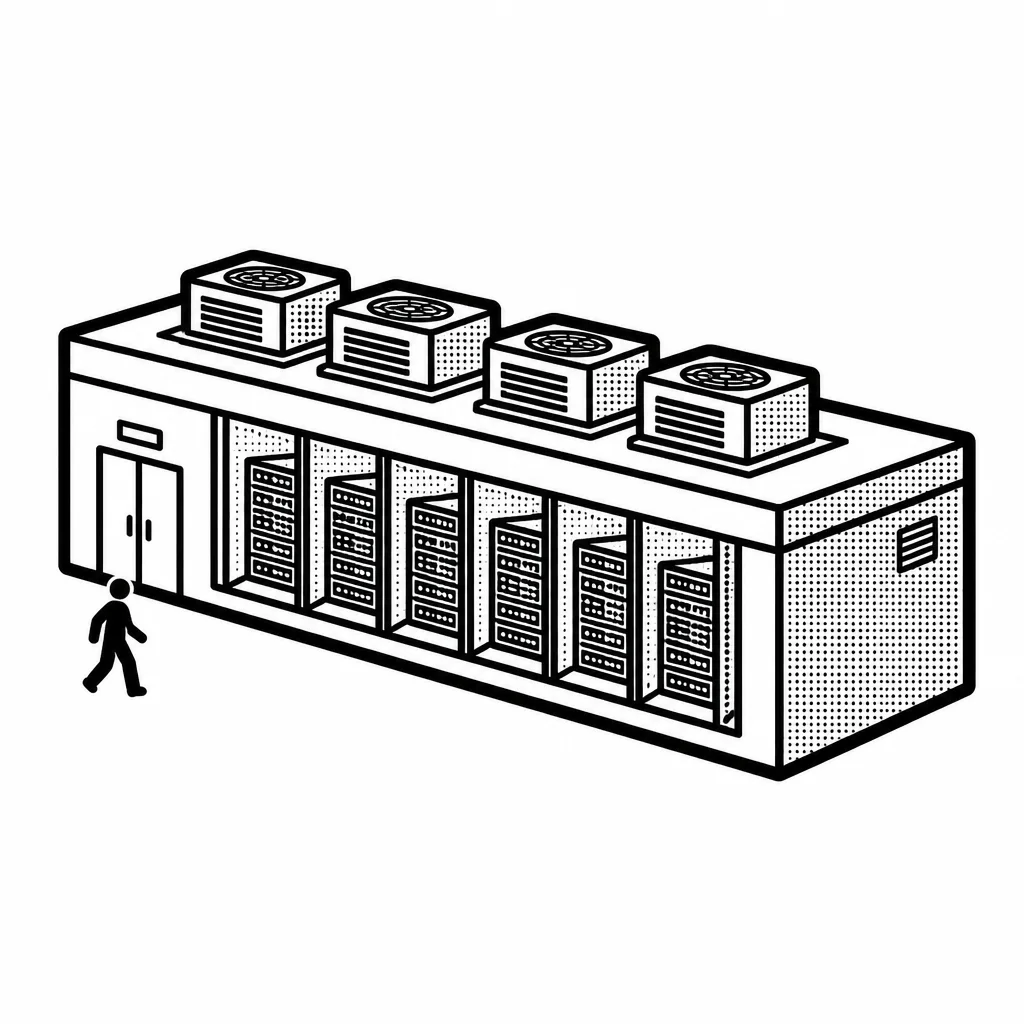
The core product is simple. A customer rents a locked cage or a private suite inside a Digital Realty building, along with reliable electricity and internet connections. The big selling point is the network: inside these buildings, dozens of carriers and cloud providers plug into the same wiring, so a customer can reach many networks cheaply and quickly. Digital Realty calls this interconnection, and it is a key reason tenants stay put. Once a company has wired itself in and signed long leases, moving out is expensive and painful. This matters most today because of artificial intelligence. Training and running large AI models needs enormous amounts of computing power packed close together, which means a lot of electricity and cooling in one place. Digital Realty has been building and leasing the high-density data halls that AI customers want, and demand from hyperscale cloud companies and AI start-ups has kept its existing space heavily leased. Its main rivals are other large data center landlords, including Equinix and American Tower.
The business eats a lot of cash. Data centers cost years and billions of dollars to build, so Digital Realty borrows heavily and spends constantly on new construction and expansion. It typically pays out most of its taxable income as a dividend in exchange for special tax status as a real estate investment trust. In recent years it has also partnered with large investors, selling stakes in some data centers to help fund the buildout without piling on more debt. The big risks are clear: rising interest rates make borrowing dearer, power availability can limit growth in some cities, and its fortunes are tied tightly to how much the big cloud and AI companies keep spending.
Saved answer · last researched 12 Nov 2026