Understand any stock in simple English
Enter a ticker to learn what the company does and how it makes money.
Moncler S.p.A.
Moncler makes and sells expensive puffer jackets and other luxury clothing and accessories under its Moncler and Stone Island brands.
Moncler sells luxury clothing and accessories, and its most famous product is the shiny, quilted down jacket that costs as much as a decent used car. The company designs the clothes, has them made by outside factories, and sells them through its own stores, its website, and a network of wholesale partners around the world. People buy Moncler partly for warmth and partly for the logo on the sleeve — it is a status symbol as much as outerwear, worn on ski slopes and city streets from Milan to Shanghai.
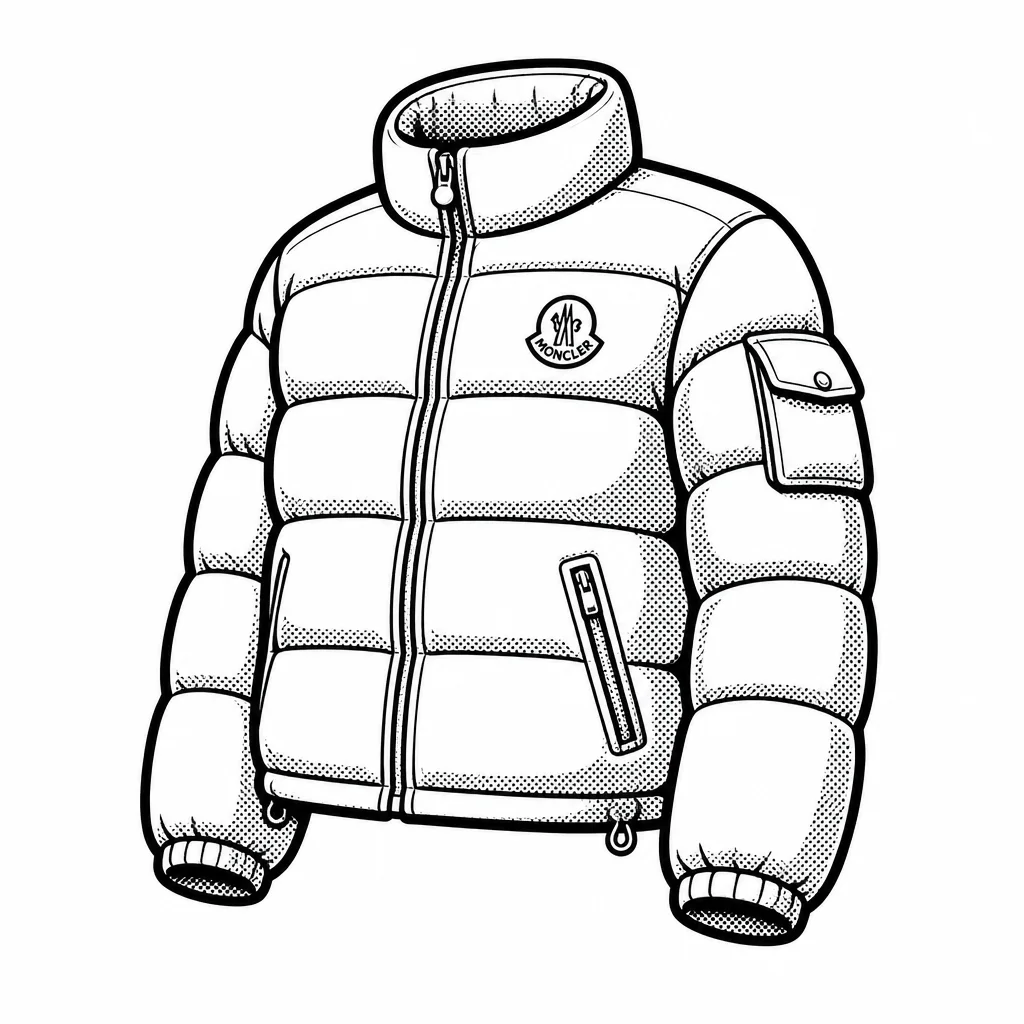
The business runs on two brands. Moncler is the original: founded in 1952 in the French Alps as a maker of sleeping bags and tents, it became a fashion label after an Italian entrepreneur bought it in 2003 and turned a niche skiwear maker into a global luxury name. Stone Island, acquired in 2020, is the edgier, younger-leaning brand known for its fabric research and loyal following among football fans and streetwear collectors. Together they give Moncler a luxury brand for the wealthy and a cult brand for the style-obsessed. The economics are lovely. Because Moncler outsources manufacturing and sells much of its stock through its own boutiques, it keeps a large slice of every jacket's price. That has produced fat profit margins and plenty of cash, which the company has spent opening new stores, buying back its own shares, and paying dividends. The main risk is the luxury shopper's mood: when wealthy consumers in China or Europe tighten their belts, pricey parkas are one of the first things they postpone buying.
Stone Island has been the growth story and the fixer-upper. Moncler bought it to broaden its customer base, but the brand's wholesale-heavy distribution and reliance on a single core product made growth choppy, and management has been reworking it toward direct sales. The company's bet is simple: keep the jackets scarce and desirable, open stores where rich people shop, and let two complementary brands cover more of the luxury wardrobe than one could alone.
Saved answer · last researched 12 Nov 2026