Understand any stock in simple English
Enter a ticker to learn what the company does and how it makes money.
Viva Republica, Inc.
Viva Republica runs Toss, a South Korean financial "super app" that lets people send money, bank, invest, borrow, and manage insurance from a single phone app.
Viva Republica is the company behind Toss, a smartphone app that started life as a way to send money to friends and has grown into a one-stop shop for just about every money task a Korean household deals with. Through Toss you can move cash between banks, hold a bank account, trade stocks, take out a loan, buy insurance, check your credit score, and pay in shops — all in one place. The idea is that people should not have to juggle a dozen different banking and finance apps.
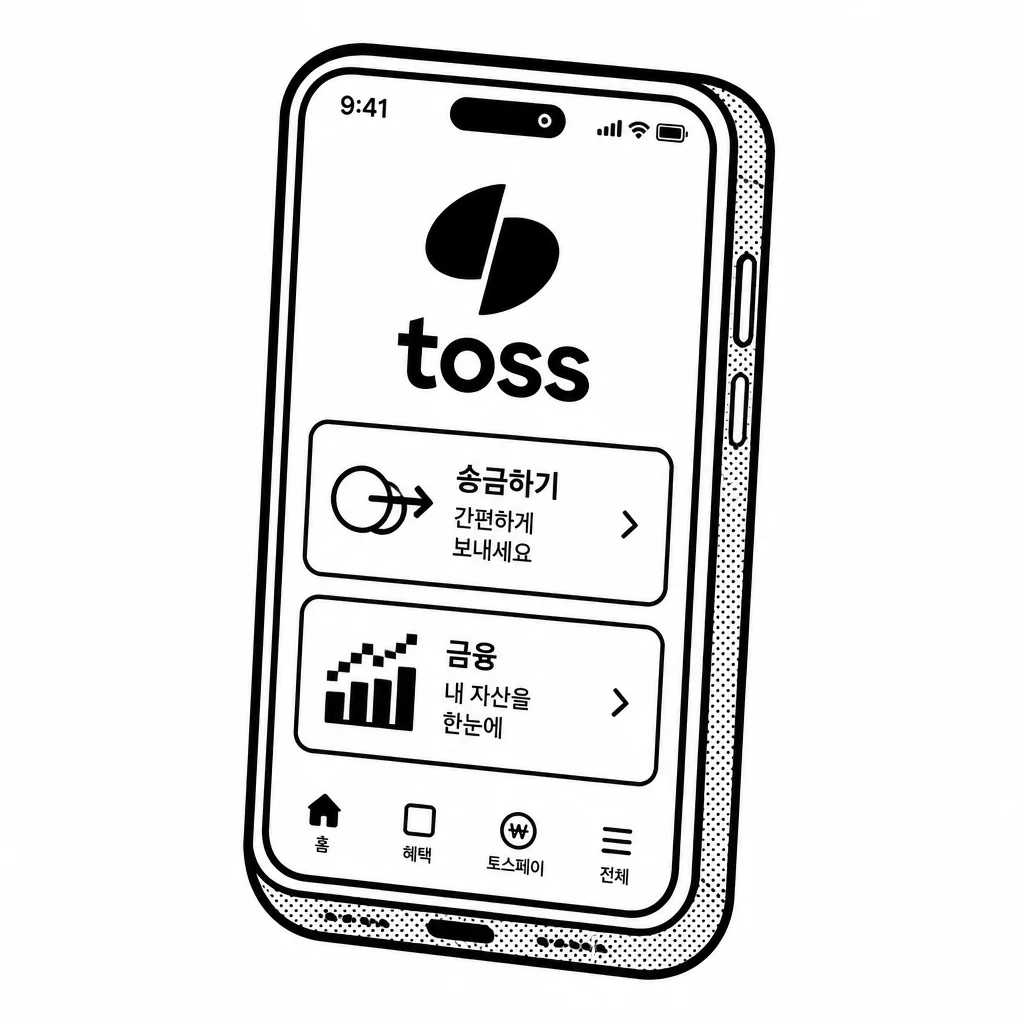
The founder, Lee Seung-gun, was a dentist before he became a tech entrepreneur, and he built Toss to fix a genuinely annoying problem: sending money to another person in Korea used to involve fiddly security certificates and clunky bank websites. The app made it simple, and that simple hook pulled in millions of users fast. From there it kept bolting on more services, turning itself into what the industry calls a "super app" — an app that tries to own many of your daily money needs rather than just one. How it makes money is mostly by acting like a financial supermarket. Toss earns fees when it connects users to loans, investments, insurance, and payments, and its Toss Bank subsidiary — a real internet-only bank — makes money the way banks do, from the gap between what it pays savers and what it charges borrowers. Customers stay because everything sits in one place and feels frictionless, which is the whole pitch against traditional banks and against rival apps from the big financial groups and the large Korean tech platforms.
The company is private and backed by venture capital, and it has grown into one of Korea's most valuable startups, though it has also posted losses while spending heavily to expand into banking, securities, and payments. A key thing to watch is whether all those services eventually turn a profit together, and how it holds up against well-funded competitors like Kakao and Naver, whose own finance apps fight for the same users.
Saved answer · last researched 10 Nov 2026