Understand any stock in simple English
Enter a ticker to learn what the company does and how it makes money.
PJSC SIBUR Holding
SIBUR turns oil and gas byproducts into the plastics and synthetic rubber that go into tires, pipes, packaging, and thousands of everyday products.
SIBUR is Russia's largest petrochemical company. It takes something that would otherwise be wasted — the associated gas that comes up when oil is pumped, and other light hydrocarbons — and processes it into the building blocks for plastics and synthetic rubber. If you drive a car, its tires likely contain SIBUR-made rubber; if you buy packaged food or use a plastic pipe, the material may trace back to one of its plants. The company runs two big pieces: a fuel and energy segment that processes gas and sells liquefied petroleum gas and other fuels, and a petrochemicals segment that produces olefins, polyolefins, plastics, and synthetic rubber.
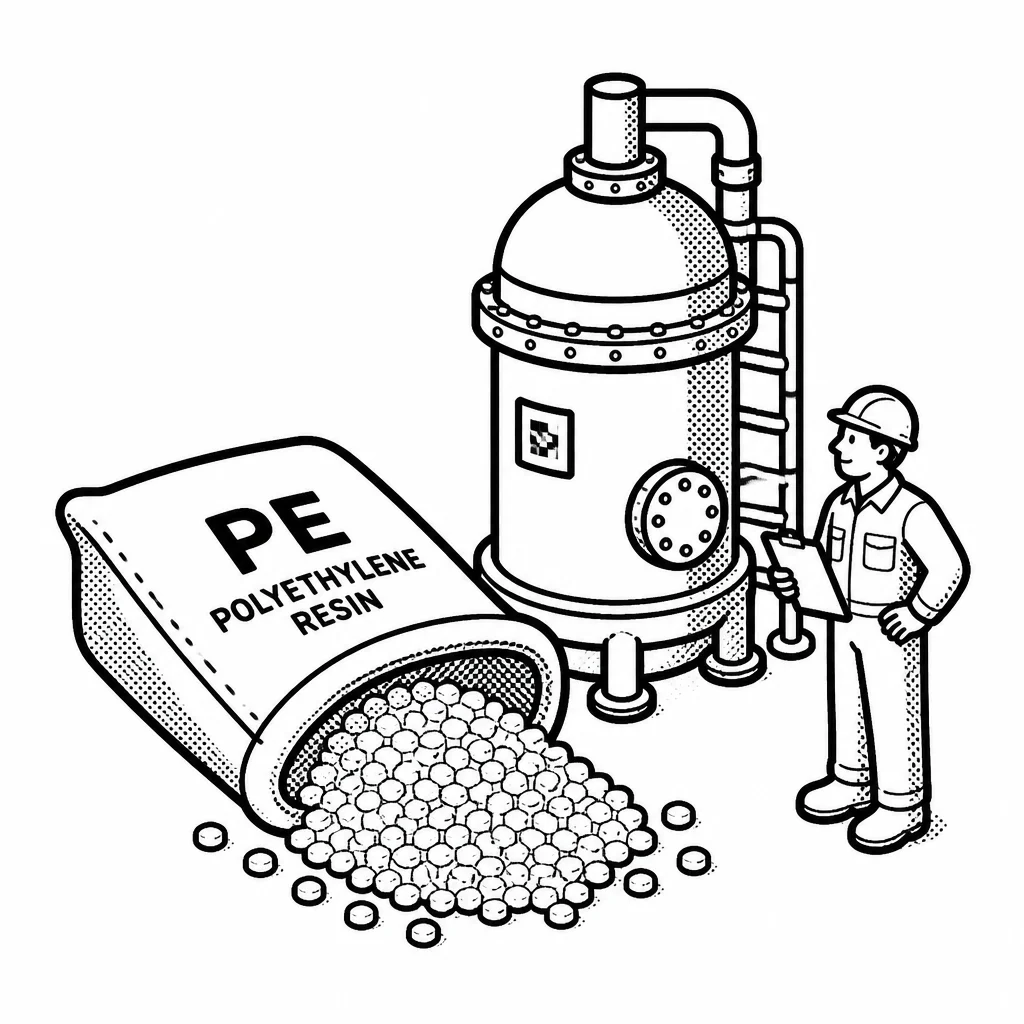
The business is a chain. SIBUR gathers gas from oil fields, cleans and separates it at processing plants, then feeds the valuable parts into massive petrochemical facilities that crack molecules apart and rebuild them into polymers. Customers are mostly other businesses — tire makers, construction firms, packaging producers, car parts suppliers — not everyday shoppers. That makes SIBUR a "picks and shovels" supplier: it sells the raw material, and its customers shape it into finished goods. Its scale and its pipeline network connecting West Siberian gas fields to its plants are hard for rivals to copy. SIBUR is privately held. The main owner is Leonid Mikhelson's holding company, with allies including Kirill Shamalov and Gazprombank among the shareholders; it is not listed on any stock exchange, so there is no ticker to buy. That matters for outsiders: you cannot easily invest in it, and its finances are reported through private channels and ratings agencies rather than public filings. The company has also been swept into geopolitics — it has faced Western sanctions pressure, and its access to Western technology and financing has been constrained since 2022, which affects how it builds and maintains plants.
The deeper vulnerability is the same as its strength: it sits at the intersection of oil, gas, and chemistry, and all three are volatile. When oil and gas prices swing, so do SIBUR's input costs and the prices it can charge for its polymers. It also depends on export markets and on big industrial customers who are themselves cyclical. Still, plastics and synthetic rubber are staples of modern manufacturing, so demand tends to hold up better than in more discretionary businesses. The company's bet is simple: turn cheap gas into valuable materials and sell them to the factories that make the physical world.
Saved answer · last researched 10 Nov 2026