Understand any stock in simple English
Enter a ticker to learn what the company does and how it makes money.
Ineos Group Limited
Ineos is a private chemicals giant that makes the raw materials and fuels behind everyday products, from plastic pipes to hand sanitizer.
Ineos is one of the world's largest chemical companies, and it makes the invisible stuff that goes into things you actually touch: the raw chemicals behind plastics, solvents, insulation, and synthetic oils. It also runs oil refineries and makes fuels. Its customers are other businesses — factories, builders, carmakers, and consumer-goods makers — that buy these ingredients by the tanker load and turn them into finished products. Founded in 1998 by Jim Ratcliffe, the company grew fast by buying unwanted chemical plants from big firms and squeezing them back into shape.
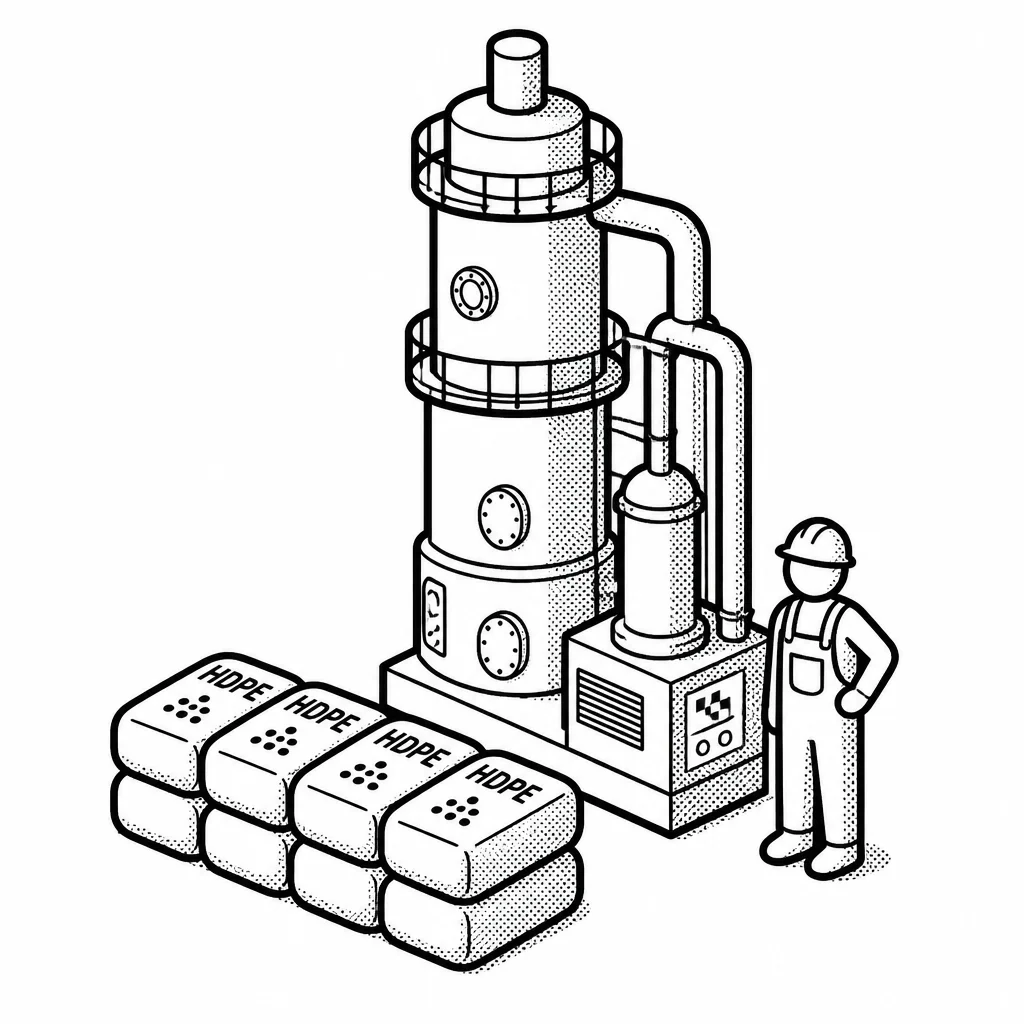
The business splits into two broad halves. The chemicals side makes the building blocks — things like ethylene and propylene, which become plastics, and specialized compounds used in pipes, medical gear, and car parts. The oil and gas side runs refineries and makes fuels, including a big push into lower-carbon fuels. Ineos is also unusually hands-on elsewhere: it owns the INEOS Grenadier off-road vehicle brand, sponsors top cycling and Formula One teams, and bought a stake in football club Manchester United. Why do customers stay? Chemical plants are expensive and slow to build, so reliable supply and scale matter enormously. Ineos runs some of the largest plants in Europe and beyond, which lets it spread costs and negotiate hard. The flip side is that this is a cyclical, capital-hungry industry. Chemical prices swing with energy costs and the global economy, and a single large plant can cost billions. Ineos carries substantial debt from its acquisitions, which makes the company more sensitive to downturns — a real risk its private owners absorb.
One telling detail: when the pandemic hit and hand sanitizer ran short, Ineos built huge new plants in a matter of days to make the key ingredient, then gave the output away free to hospitals. It shows both the company's engineering muscle and its taste for dramatic moves. Today its big bets are on lower-carbon fuels and shutting the loop on plastic waste, areas where it is investing heavily but where the payoffs are still uncertain.
Saved answer · last researched 10 Nov 2026