Understand any stock in simple English
Enter a ticker to learn what the company does and how it makes money.
New Balance Athletics, Inc.
New Balance makes and sells athletic shoes and clothing, and it is one of the few big sneaker brands still owned by a private family rather than Wall Street.
New Balance is a sneaker and sportswear company. It sells running shoes, lifestyle shoes, and athletic clothing to ordinary people who want comfortable shoes — and increasingly to young shoppers who treat sneakers as fashion. The company is still based in Boston, Massachusetts, where it has been for decades, and it remains owned by the Davis family, who bought it back in 1972.
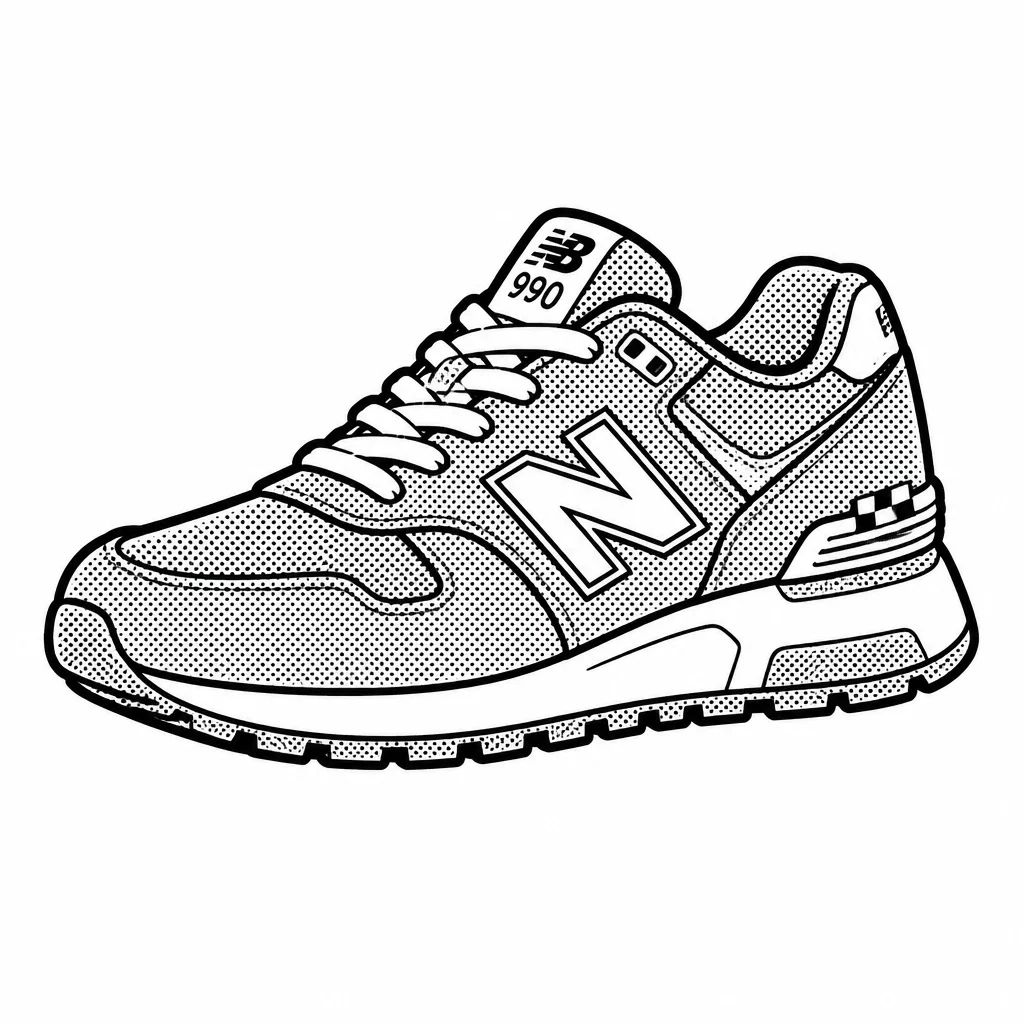
The business runs on a simple engine: design shoes, make them, and sell them through its own stores, its website, and thousands of independent retailers around the world. New Balance is unusual among big brands because it still makes some athletic shoes in the United States, in factories in Maine and Massachusetts. That "Made in the USA" angle matters to customers who care about domestic manufacturing, and it gives the brand a story its bigger rivals cannot easily copy. Its main rivals are giant, publicly traded players: Nike, Adidas, and Deckers, which owns Hoka and has been taking market share in running shoes. New Balance has fought back by leaning into running performance, signing star athletes, and riding a surge in popularity of its retro "dad shoe" styles. That fashion wave turned the brand from a reliable but slightly boring running label into a hot name again, and sales grew fast as a result.
Because it is private, New Balance does not publish detailed financials the way public companies must, so outsiders see less of its numbers. The family ownership lets it play a longer game — investing in those US factories and in sponsorships without worrying about quarterly earnings pressure. The trade-off is that it has less access to public capital than rivals, so it funds growth from its own profits and borrowing. For a sneaker company, that is a genuinely rare setup, and it shapes almost everything about how New Balance operates.
Saved answer · last researched 10 Nov 2026
BIG PICTURE
Nike, Adidas and New Balance together sell 74% of the world's sneakers
- 34% Nike
- 26% Adidas
- 14% New Balance
- 26% Others
Three brands account for nearly three quarters of the global sneaker market, and one of them is a family-owned company from Boston. New Balance's 14% puts it behind Nike and Adidas but ahead of everyone else. That slice gives it the scale to grow without answering to Wall Street, which helps explain how it reached $9.2 billion in sales in 2025. Source: Prensa Latina, data from 2025
Timeline
Two Brothers and a Hen
In Boston, William J. Riley started a small company making arch supports and special shoes for people with foot problems. His idea came from watching hens: their three-pronged stance kept them perfectly balanced, so he built a three-point insole to give people that same steady, comfortable footing. That focus on fit and comfort stayed with the business long after, and it planted the seed for shoes made in many widths for many kinds of feet.
Jim Davis Buys the Company
On the day of the Boston Marathon, Jim Davis bought the tiny company for a modest sum. It was a six-person operation making a few dozen running shoes a day. Davis still owns it today, and keeping New Balance family-owned and private let it play a long game instead of chasing quick wins.
The 320 and the Letter N
The company's 320 running shoe was named the best on the market by Runner's World, and it was the first to wear the big N on the side. That same year, shoes started shipping to Switzerland, Denmark and Japan. Suddenly the little Boston outfit was a worldwide name with real running credibility.
A Factory in England
New Balance opened its first plant outside the U.S., in Flimby, England. That factory kept making shoes for the European market week after week. It gave the company something rare: a dual American and British manufacturing base that became part of who it is.
The Hundred-Dollar 990
New Balance launched the 990 at a hundred dollars, the priciest sneaker in its lineup at the time. It sold on made-in-USA craftsmanship, durability and comfort, and quietly became the original 'dad shoe.' Decades later it was still one of the company's best sellers, and it opened the door to lifestyle shoes.
Joe Preston Takes Over
Joe Preston, who had been at New Balance since the mid-nineties and last served as chief commercial officer, was named president and CEO. He replaced Rob DeMartini, who had grown the business from about a billion and a half to over four billion and pushed international sales to most of the company. The handover set up the next chapter.
The Global Independent
New Balance decided its target customer — what Preston called its 'primary muse' — should be the 'global independent': younger, more worldly, more individualistic. That single choice guided products, marketing and store design. Preston called it a seminal moment that set the brand on a path of years of double-digit growth.
Control Our Destiny
When the pandemic hit, New Balance adopted the mantra 'Control our Destiny' and organized small 'sprint' teams that tackled one project for a month or two. It let the company run today's business while changing it for tomorrow, speeding its move into digital sales and its own stores. A weekly global call kept everyone on one message and left the company stronger on the way out of Covid.
The Opening Nike Left
Nike pushed hard into selling direct to customers during the pandemic, which cut off wholesale partners and left empty shelf space at retailers. New Balance and rivals like Brooks and On rushed to fill it, and Nike also fell behind on performance innovation. New Balance grabbed market share and moved upmarket, lifting its average selling prices by roughly a third over five years.
Nine Billion and Counting
Sales grew 19 percent to about nine billion dollars, the fifth straight year of double-digit growth and nearly triple the level of 2020. Growth came everywhere — regions, categories, new stores — on the back of a premium, selective-distribution strategy. The company said it could hit its ten-billion-dollar target by the end of the next year, cementing its place among the industry leaders.