Understand any stock in simple English
Enter a ticker to learn what the company does and how it makes money.
MSC Mediterranean Shipping Company S.A.
MSC is one of the world's largest container shipping companies, moving goods across the oceans on giant cargo ships and running a growing cruise line.
MSC is the world's biggest container shipping line. It moves the stuff in your life — clothes, furniture, electronics, food — across the oceans inside steel boxes called containers. If you buy something made in Asia and it arrives in Europe or America, there's a good chance MSC carried it.
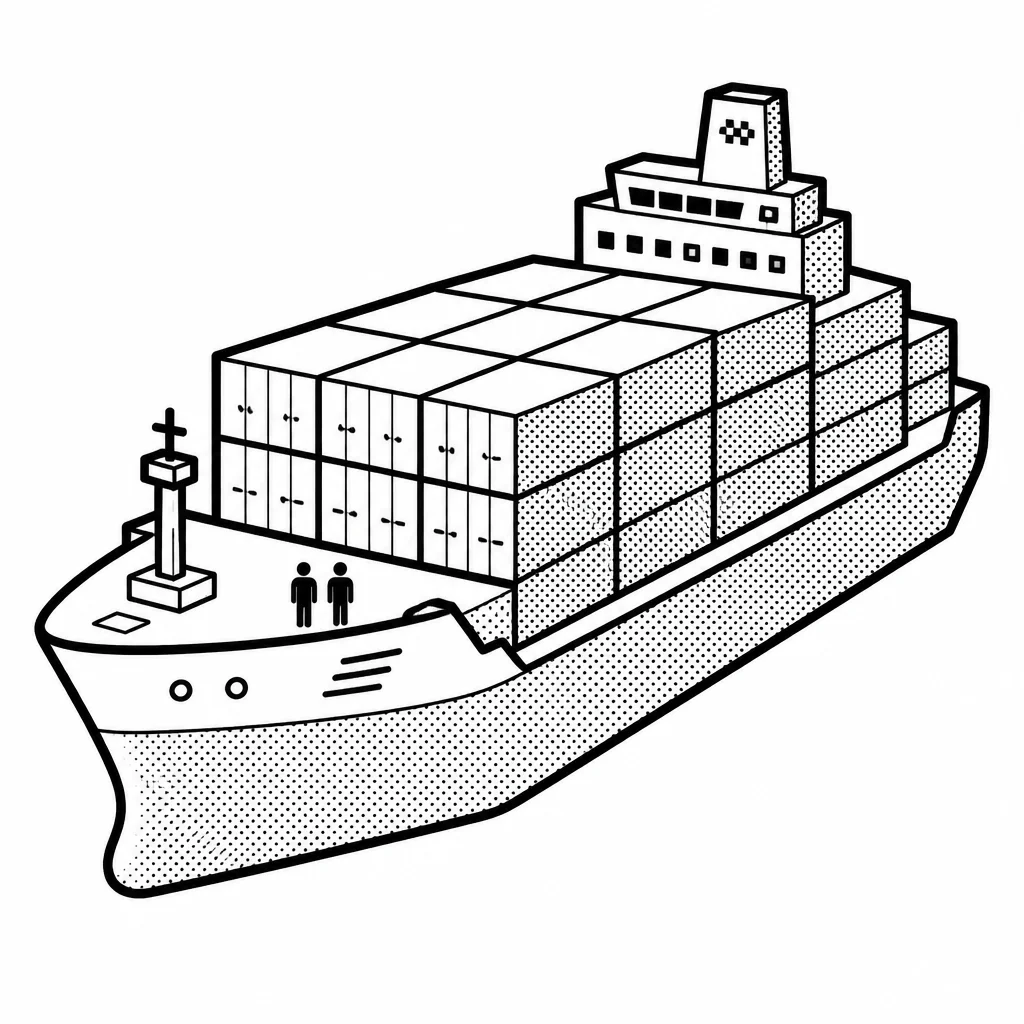
Here's how the money works. Retailers, manufacturers, and freight forwarders pay MSC to move their containers from one port to another. MSC owns or rents the ships, plans the routes, and handles the boxes at the docks. The business is brutally simple on the surface: fill the ships, sail them, charge more than it costs to run them. But shipping is a price war. Freight rates swing wildly with global trade, fuel costs, and how many ships are chasing the available cargo. During the pandemic, rates exploded and MSC's profits soared. When trade slows and too many ships are on the water, rates can crash below cost. Two things set MSC apart. First, it grew from almost nothing in the 1970s into the largest carrier in the world, largely by buying used ships and expanding aggressively when rivals held back. That scale matters because bigger ships and fuller routes mean lower cost per box. Second, MSC has a second business: it owns MSC Cruises, a major cruise line that carries millions of passengers a year. That gives the company a consumer-facing arm next to its industrial shipping core. MSC is privately held, run by the Aponte family, so it doesn't report the way public companies do and doesn't answer to stock market investors.
The industry is dominated by a handful of giants, including Maersk, CMA CGM, and COSCO. MSC's edge is its size and its willingness to grow through downturns. Its biggest risk is the same as everyone's in shipping: it has no control over freight rates, which depend on the global economy, trade tensions, and events like the Red Sea disruptions that force ships onto longer routes. When rates are high, MSC prints money. When they collapse, even the biggest fleet has to watch costs closely.
Saved answer · last researched 10 Nov 2026