Understand any stock in simple English
Enter a ticker to learn what the company does and how it makes money.
Kuehne + Nagel International AG
Kuehne + Nagel is a global logistics company that moves goods by sea, air, road and rail, and runs warehouses for other businesses.
Kuehne + Nagel is a logistics company that moves other people's stuff around the world. When a factory in Vietnam needs to send shoes to a store in Germany, or a hospital in Switzerland needs a shipment of medicines fast, Kuehne + Nagel is the company that arranges the ship, the plane, the truck, the paperwork, and the warehouse in between.
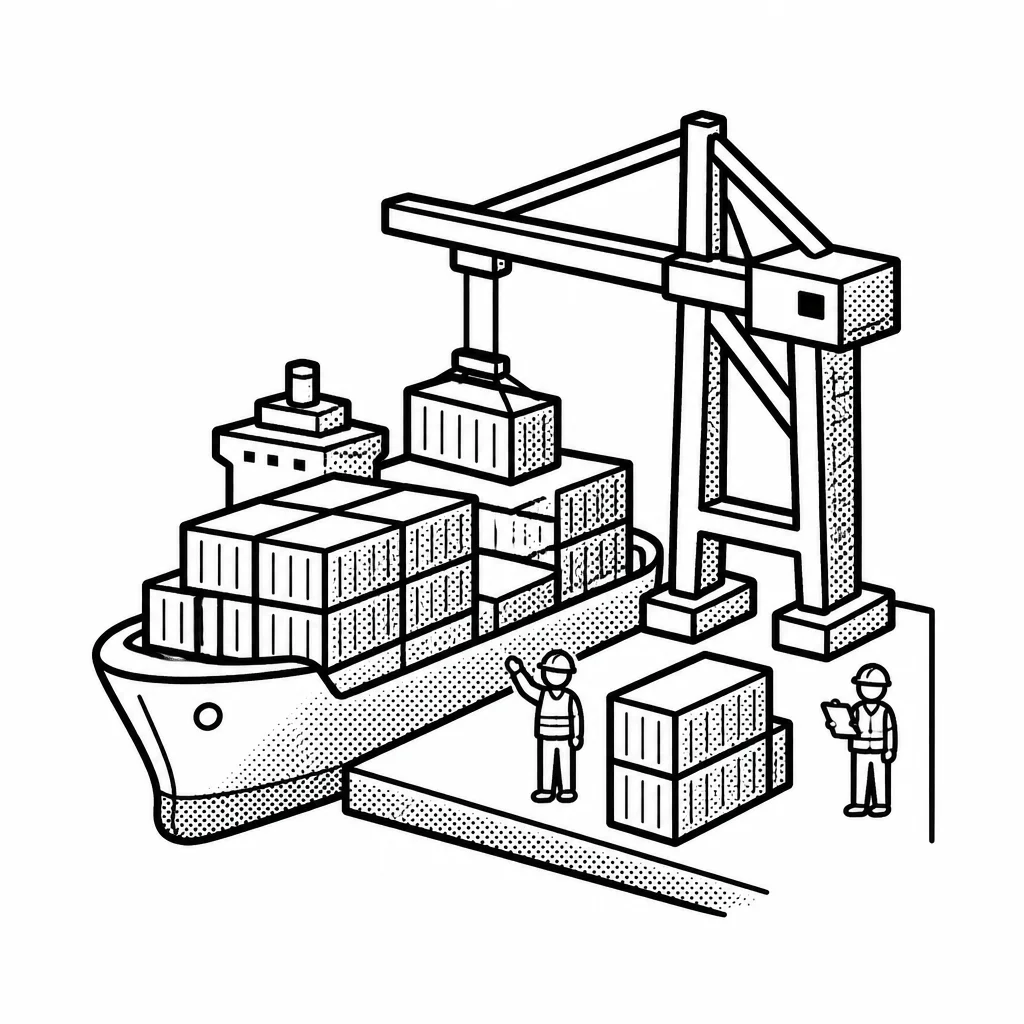
Its business is split into a few big pieces. Seafreight and airfreight are the core: the company buys space on container ships and cargo planes in huge volumes, then resells it to customers along with all the complicated customs and documentation work. Road and rail haulage handles the land-based legs. Contract logistics is the warehouse side, where Kuehne + Nagel runs distribution centers and handles inventory for clients in industries like healthcare, automotive, and consumer goods. Customers pay for the whole package because doing it themselves across dozens of countries is a nightmare. The company is headquartered in Switzerland and is one of the largest freight forwarders in the world, competing with names like DSV and DHL Group. Its edge comes from sheer scale: because it moves so much cargo, it gets better rates and can offer routes and reliability that smaller players cannot match. That scale also makes it sensitive to the freight cycle. When shipping rates spike, as they did during the pandemic, profits balloon; when rates fall back, the numbers shrink.
Kuehne + Nagel has been buying up smaller logistics firms to grow, and it puts its cash toward dividends and acquisitions rather than sitting on it. The business is asset-light in the sense that it mostly does not own the ships or planes, it just buys space on them. That keeps it flexible but also means its fortunes rise and fall with global trade volumes, which is why trade wars, tariffs, and economic slowdowns are the things that keep its managers up at night.
Saved answer · last researched 15 Nov 2026