Understand any stock in simple English
Enter a ticker to learn what the company does and how it makes money.
Kahoot! ASA
Kahoot! makes quiz-style learning games that teachers, students, and companies use to learn and train in a fun, competitive way.
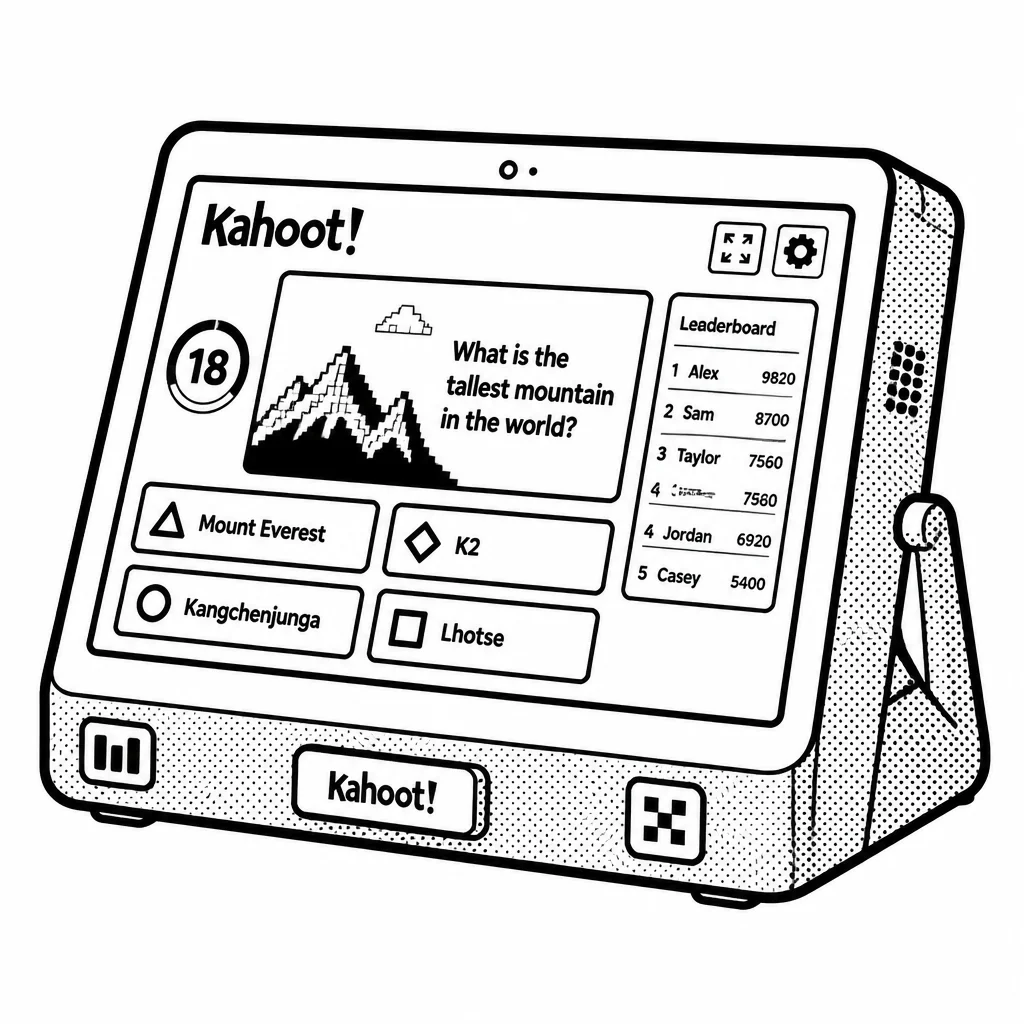
Kahoot! is a learning game company. It makes the software behind those colorful multiple-choice quizzes where a question pops up on a big screen and everyone in the room taps an answer on their phone, racing a timer and climbing a leaderboard. Teachers use it to review lessons with students, and companies use it to train staff and run events. The magic is simple: it turns boring material into a game people actually want to play.
The business earns money by selling subscriptions. Schools pay for upgraded plans with more features and bigger groups, and businesses pay for training and presentation tools. There's also a consumer tier for families and solo learners. The free version pulls people in and gets them hooked; the paid plans are where the money comes from. Its pitch to schools is that engaged students learn better, and to companies that training that feels like a game gets remembered. Rivals include other quiz and audience-response tools, but Kahoot!'s brand and huge free user base give it a strong foothold. Kahoot! listed on the Oslo exchange in 2019 and went on an acquisition spree, buying up education and learning apps to widen its lineup. That growth came with costs, and the stock fell hard from its pandemic-era highs as the world reopened and the hype cooled. In 2024, a group led by Goldman Sachs took the company private in a deal valuing it at roughly $1.7 billion, ending its run as a public company. The bet is that Kahoot! can grow its paid subscriptions and corporate training business away from the quarterly glare of the stock market.
The deeper question is whether a quiz game is a durable business or a pandemic fad. Kahoot! rode a huge wave when everyone was learning from home, then had to prove it could keep growing once classrooms filled back up. Being private gives it room to invest and restructure without public pressure, but it still has to convince schools and companies to keep paying year after year.
Saved answer · last researched 10 Nov 2026