Understand any stock in simple English
Enter a ticker to learn what the company does and how it makes money.
Flash Express Company Limited
Flash Express is a Thai parcel delivery company that picks up, sorts, and delivers packages for online sellers and everyday shoppers.
Flash Express is a parcel delivery company — the kind of business that moves the stuff you buy online from a seller's warehouse to your front door. In Thailand, it became one of the biggest names in that game surprisingly fast, and it did it by focusing hard on the people who ship the most parcels: online merchants, especially small ones selling through social media and e-commerce platforms.
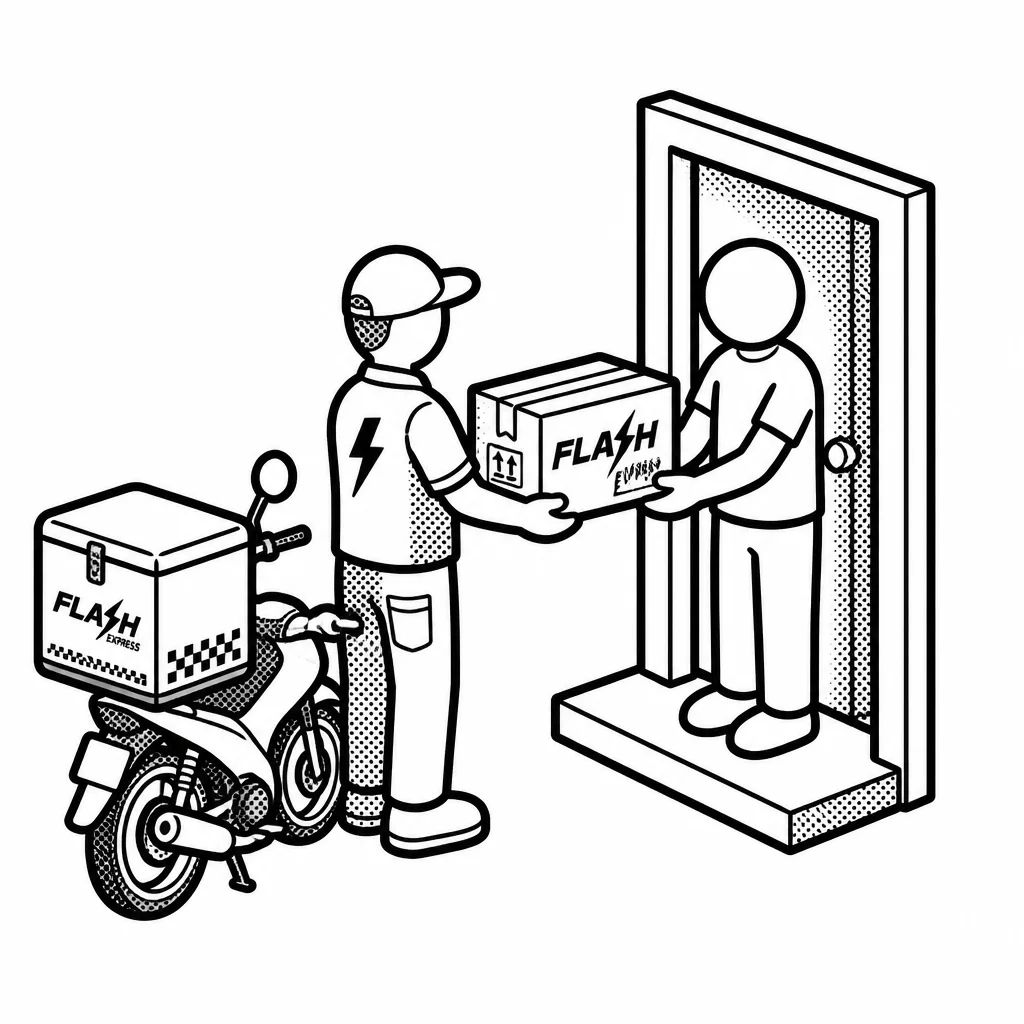
The basic service is what you'd expect. A seller books a pickup, a courier collects the parcel, it moves through Flash's sorting centers, and a rider delivers it to the buyer. What made Flash stand out was price and reach. It kept delivery cheap and pushed coverage into every province, including remote areas, which matters a lot in a country where a huge share of retail happens online. Sellers pick it because it's affordable and easy to use; buyers like it because parcels actually arrive. The company also runs its own fleet and sorting hubs to keep more of the operation in-house, and it expanded into services like cash-on-delivery collection, which many Thai shoppers still rely on. The story of how it got so big is part of the point. Flash Express was founded in 2017 by Komsan Lee and Di Wu, and it grew at a pace that shocked the established players. Backing from Chinese investors helped it build out a delivery network at speed and undercut rivals on price, turning a crowded market into a price war. That growth came with the usual costs of a land-grab business: heavy spending on warehouses, couriers, and technology before profits arrive, and thin margins because parcel delivery is a commodity — customers switch for a few baht. The company has said it reached profitability at times, but the underlying tension is that everyone is fighting over the same parcels.
Competition is fierce and includes state-backed Thailand Post, along with other private players like Kerry Express and J&T Express. The broader forces shaping the industry are the same ones anywhere: e-commerce volumes rise and fall with the economy, fuel and labor costs squeeze margins, and rivals keep cutting prices. Flash's bet is that scale and a dense network win in the end — more parcels per route means cheaper delivery per parcel. For now, it's a very large, very busy machine whose main job is getting millions of small packages to the right door without losing money on each one.
Saved answer · last researched 10 Nov 2026