Understand any stock in simple English
Enter a ticker to learn what the company does and how it makes money.
J&T Global Express Limited
J&T Express is a delivery company that picks up, moves, and drops off parcels for online shoppers and businesses across many countries, mostly in Asia.
J&T Express is a parcel delivery company. When you buy something online and a courier shows up at your door with a cardboard box, a company like J&T is often the one that moved that box from the seller's warehouse to your neighborhood. It runs the vans, sorting centers, and delivery workers that make that last, most visible leg of online shopping happen.
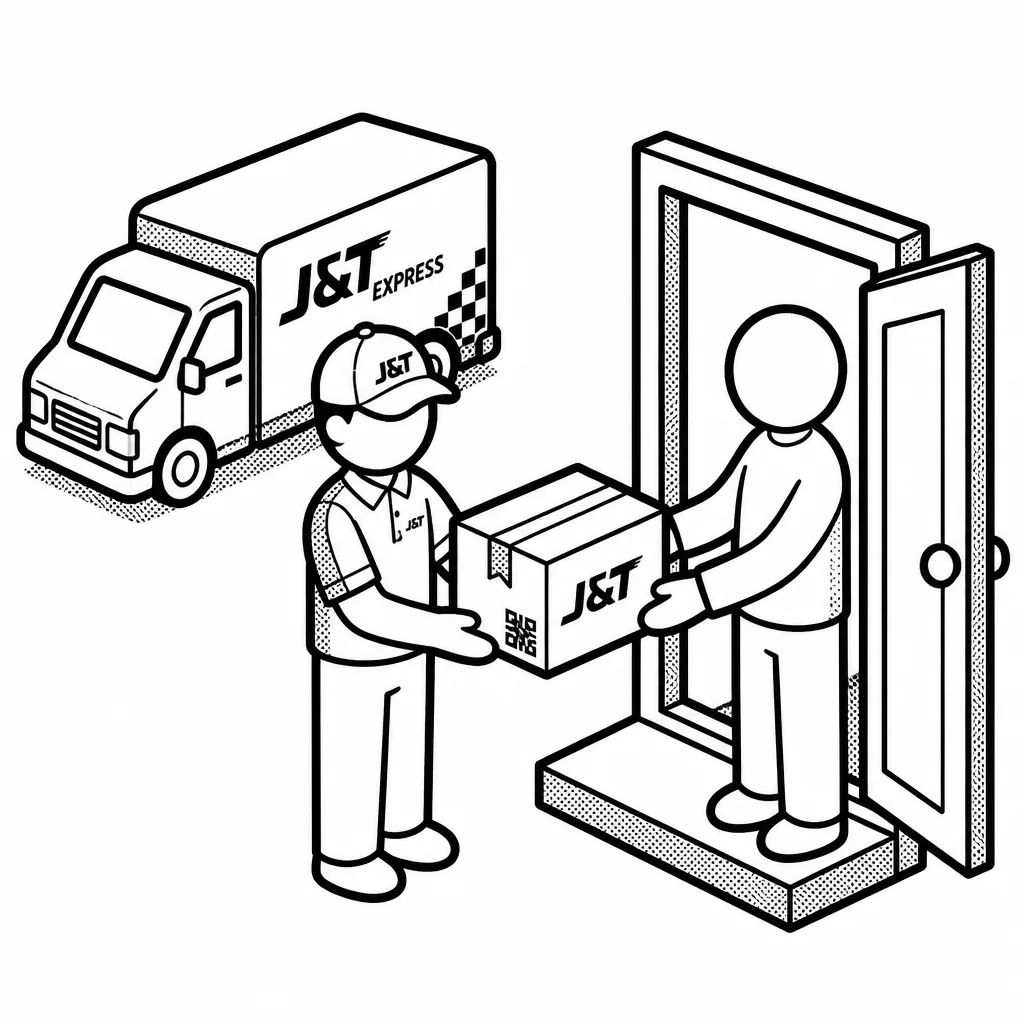
The business grew out of Southeast Asia, where it built a dense network of drop-off points and delivery routes across countries like Indonesia, Vietnam, and the Philippines. It later expanded into China, the world's biggest parcel market, where it competes hard on price against entrenched players. The core money-maker is simple: e-commerce sellers pay J&T to carry their parcels, and J&T profits when it can move huge volumes cheaply. Customers choose it largely because it is fast and inexpensive, which matters enormously when an online seller is shipping thousands of low-margin items. China is a brutal place to compete on price. The big incumbents there have spent years building scale, and J&T has had to fight for volume partly by keeping prices low, which squeezes margins. That tension — rapid growth in parcels but thin profits per parcel — is the central story of the business. The company has also pushed into newer markets like the Middle East and Latin America to find growth outside its crowded home regions.
J&T went public on the Hong Kong Stock Exchange, which gave it capital to keep building out its networks. The bet is that as e-commerce keeps spreading across emerging markets, the company that owns the delivery pipes in those countries gets paid on every parcel. The risk is that everyone else sees the same opportunity, and the price war never really ends.
Saved answer · last researched 14 Nov 2026