Understand any stock in simple English
Enter a ticker to learn what the company does and how it makes money.
Clearview AI, Inc.
Clearview AI sells facial recognition software to police and government agencies.
Clearview AI is a private company, not a publicly traded one, so there is no stock ticker and no market cap to look up. It sells one main thing: a facial recognition tool that lets police and government agencies upload a photo of a face and instantly get back links to where that face appears online. Its customers are mostly law enforcement, and in some cases government security agencies, who pay for access through contracts or subscriptions. The pitch is speed. Instead of detectives manually hunting through social media, Clearview does it in seconds by matching a face against a giant index of images scraped from the public internet — billions of them, by the company's own count.
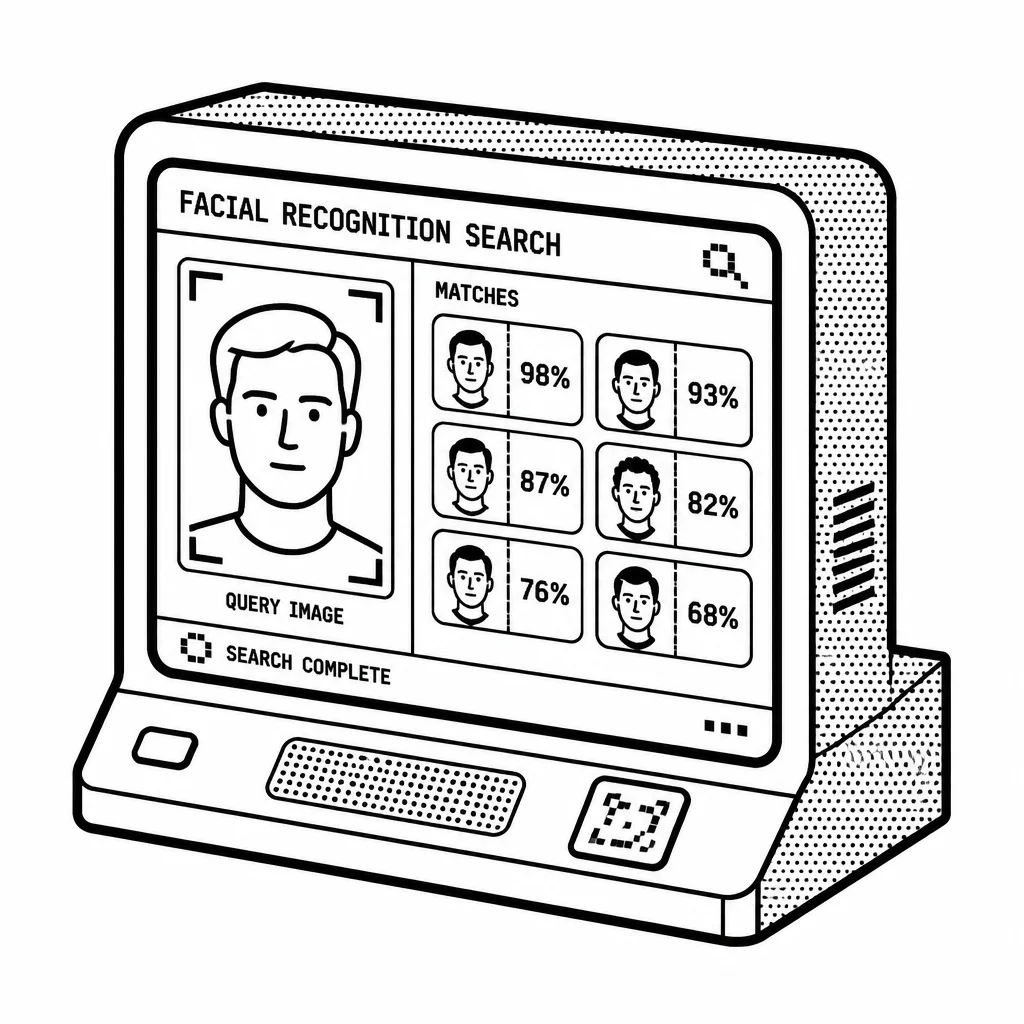
Think of it as a reverse phone book for faces, except the "book" was built by vacuuming up photos people posted publicly, often without knowing or agreeing to it. That scraping is exactly why Clearview sits at the center of a global fight. Privacy regulators in several countries have fined the company or ordered it to stop, and it has faced lawsuits in the United States over how it collected those images. In 2022, Clearview settled a major US privacy case by agreeing to limits on selling its database to most private companies, while continuing to serve government and police clients. The company has also reportedly explored selling a stake, which would value it in the low billions, but as a private business that number shifts and isn't something to treat as a fixed market cap.
So the simple story: Clearview AI makes money by licensing a powerful face-matching tool to police and governments, and its whole business rests on a huge image database built from public web photos. Its growth depends less on technology (which works well) and more on whether regulators and courts keep letting it operate the way it does. That legal and political risk, not competition, is the real thing to watch.
Saved answer · last researched 11 Oct 2026