Understand any stock in simple English
Enter a ticker to learn what the company does and how it makes money.
Mitek Systems, Inc.
Mitek sells software that checks whether a photo of an ID is real and whether the person using it is who they claim to be.
Mitek makes the software that answers a question every bank, lender, and app now has to ask: is this person really who they say they are? When you open a new bank account from your couch and snap a photo of your driver's license, there is a decent chance Mitek's technology is what reads that photo, checks it for signs of tampering, and matches your face to the picture on the ID.
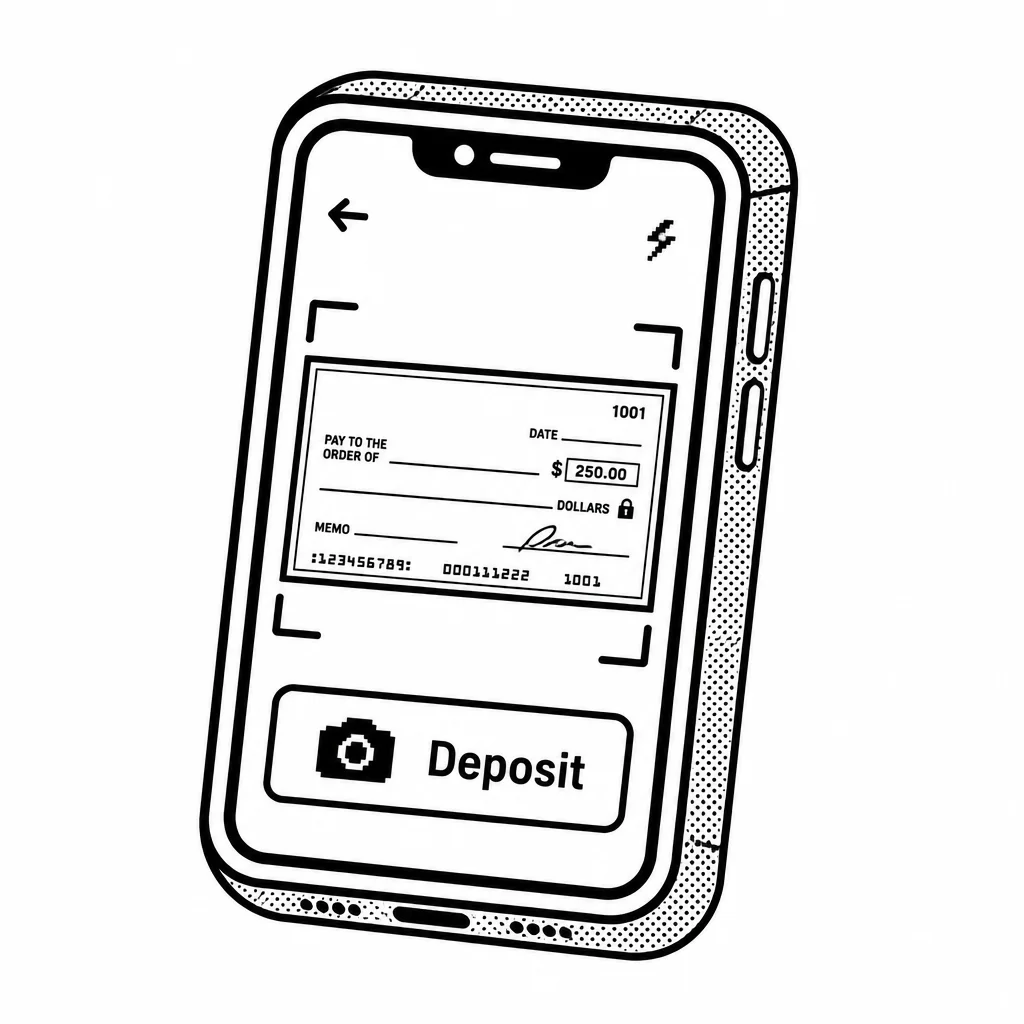
The company splits its business roughly in two. One piece, called Mobile Deposit, grew out of its early work letting people deposit paper checks by photographing them with a phone — a genuinely useful trick that banks pay for because it saves them the cost of processing paper. The other, larger piece is identity verification: checking IDs, comparing faces, and increasingly using artificial intelligence to spot deepfakes and forged documents. Banks, fintechs, and other businesses pay Mitek a fee per check or per identity check, so revenue grows as they process more of them. That per-check, per-verification model is a double-edged sword. It is sticky — once a bank wires Mitek into its app, ripping it out is painful — but it also means Mitek's fate is tied to its customers' volume, and competition is fierce. Rivals range from big identity players to cheaper document-scanning tools, and banks have plenty of vendors courting them. Mitek's bet is that fraud is getting worse, not better, and that AI-generated fake IDs will force institutions to pay up for serious verification.
The company is based in San Diego and has been public for decades, though its identity-verification push is the newer story. It has grown partly by acquisition, buying companies to add fraud-detection features, and it spends heavily on research and development to keep up with fraudsters who never stop innovating. In short: Mitek sells the digital bouncer that checks IDs at the door of the internet economy, and its business rises and falls on whether customers trust it to catch the fakes.
Saved answer · last researched 16 Nov 2026