Understand any stock in simple English
Enter a ticker to learn what the company does and how it makes money.
Le Petit-Fils de L.-U. Chopard & Cie S.A.
Chopard is a Swiss family-owned luxury house that makes and sells high-end watches and jewelry.
Chopard is a Swiss luxury house that makes two things people pay a lot of money for: watches and jewelry. Its watches range from sporty steel pieces to extremely complicated mechanical movements, and its jewelry spans diamond-studded everyday pieces to dramatic red-carpet creations. The company sells through its own boutiques and select retailers, and the people buying are wealthy customers who want a beautiful object, a famous name, and the feeling of owning something made by hand.
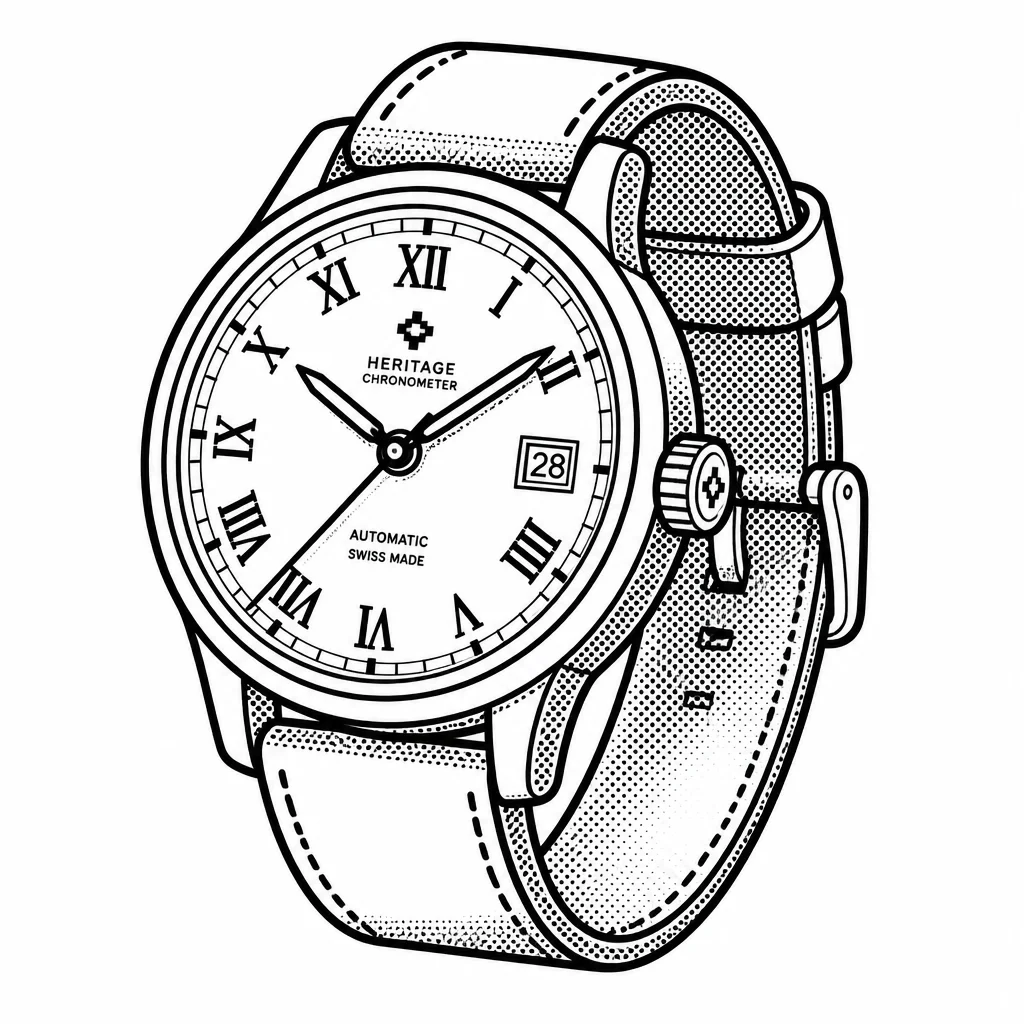
The business is still run by the family that founded it. Louis-Ulysse Chopard started making pocket watches in a Swiss village in 1860, and the Scheufele family bought the company in 1963 and has controlled it ever since. That matters because Chopard is a private company with no shareholders demanding quarterly growth. It can invest in craft, keep production in-house, and protect its independence — a rarity in an industry where rivals have been swallowed by big luxury groups. The most famous part of Chopard is its Happy Diamonds line, where loose diamonds are set between two sapphire crystals so they dance and slide around. That playful idea turned into a signature and spread into watches, including the Happy Sport collection. On the watch side, the company also built a serious reputation with its L.U.C. line of in-house mechanical movements, which shows it wants to be taken seriously by watch collectors, not just jewelry buyers. Chopard's other big stage is the Cannes Film Festival, where it has been the official partner for years and supplies the Palme d'Or trophy. That sponsorship puts its jewelry on movie stars and keeps the brand in front of a global audience. Diamond sourcing has become a real issue for the industry, and Chopard has publicly pushed toward responsibly sourced gold and diamonds, partly because customers now ask where their jewelry comes from.
The honest risk is that Chopard sits in the crowded middle of luxury: not as big as the giant groups, not as cheap as mass-market brands, and dependent on wealthy shoppers who can suddenly stop spending. Its strengths are the family ownership, the distinctive Happy Diamonds idea, and control over its own watch movements. Its challenge is staying desirable in a market where the biggest players spend enormous sums on marketing and store networks.
Saved answer · last researched 10 Nov 2026
Timeline
A Young Watchmaker Starts Chopard
In 1860, a 24-year-old watchmaker named Louis-Ulysse Chopard set up a high-precision watch workshop in Sonvilier, Switzerland. He noticed that people wanted pocket watches that were very thin and very accurate, good enough to carry and use every day. That simple idea, precision made practical, was the seed of the whole company.
The Scheufele Family Buys Chopard
A century later, the German watchmaking family Scheufele went looking for a Swiss watch company to buy, ideally in Geneva. Karl Scheufele III met Paul-André Chopard there, and the deal was done almost on the spot. Under Karl and his wife Karin, the company's production and fame grew fast.
Happy Diamonds
Then came a playful idea: diamonds that were not fixed in place but left free to move between two sapphire crystals, so they sparkled and danced as the wearer moved. Happy Diamonds became one of the most celebrated creations in the company's history.
Racing Into Watches
Karl-Friedrich Scheufele shared his father's love of classic sports cars, and he turned that passion into a partnership with the legendary 1000 Miglia race. The Mille Miglia collection of luxury sports watches that followed was a success.
Happy Sport
Caroline Scheufele pushed the same moving-diamond idea in a bolder direction. Happy Sport mixed steel and diamonds, something the watch world had not really done, and the free-moving diamonds made it an instant emblem of 'sport chic'.
Chopard Builds Its Own Movements
For a watch company, buying movements from others is convenient but leaves you dependent. Karl-Friedrich Scheufele founded a manufacture in Fleurier to build high-precision movements in-house. Its first movement, Calibre 1.96, launched the L.U.C collection and proved the company could play in haute horlogerie.
The Journey to Sustainable Luxury
Luxury has a supply-chain problem: gold and gems can come from ugly places. Chopard launched 'The Journey to Sustainable Luxury', a long-term bet on cleaning up the social and environmental side of watchmaking and jewellery.
All Ethical Gold
That journey reached a hard commitment: from mid-2018, every watch and every piece of jewellery the company made would use 100% ethical gold. It was a promise that forced the whole supply chain to change, not just the marketing.
The Alpine Eagle
Karl-Friedrich Scheufele went back to the St. Moritz, his first watchmaking success, and reworked it into a nature-inspired collection called the Alpine Eagle. It became a key modern sports watch line.
Thirty Years of Fleurier
In 2026, the Fleurier manufacture turned thirty, and Chopard marked it with new L.U.C and Alpine Eagle models at Watches and Wonders. The Alpine Eagle 41 XPS became the slimmest Alpine Eagle yet, and the L.U.C 1860 Chronometer in Lucent Steel celebrated the anniversary. The message was clear: the company that started with one young watchmaker's eye for precision now builds its own movements and its own steel.