Understand any stock in simple English
Enter a ticker to learn what the company does and how it makes money.
Brompton Bicycle Limited
Brompton makes folding bicycles that collapse small enough to carry onto a train or into an office, and sells them mostly to city commuters.
Brompton is a British bicycle maker with essentially one product: a folding bike that folds down to roughly the size of a suitcase in about fifteen seconds. People buy it because it solves a very specific city problem. You can ride it to the train station, fold it, carry it on board, unfold it at the other end, and ride to work. No bike lock, no theft worry, no fighting for space on a crowded commuter train. The bikes are not cheap—they generally run well over a thousand pounds—but buyers pay for the engineering and the fact that the fold genuinely works.
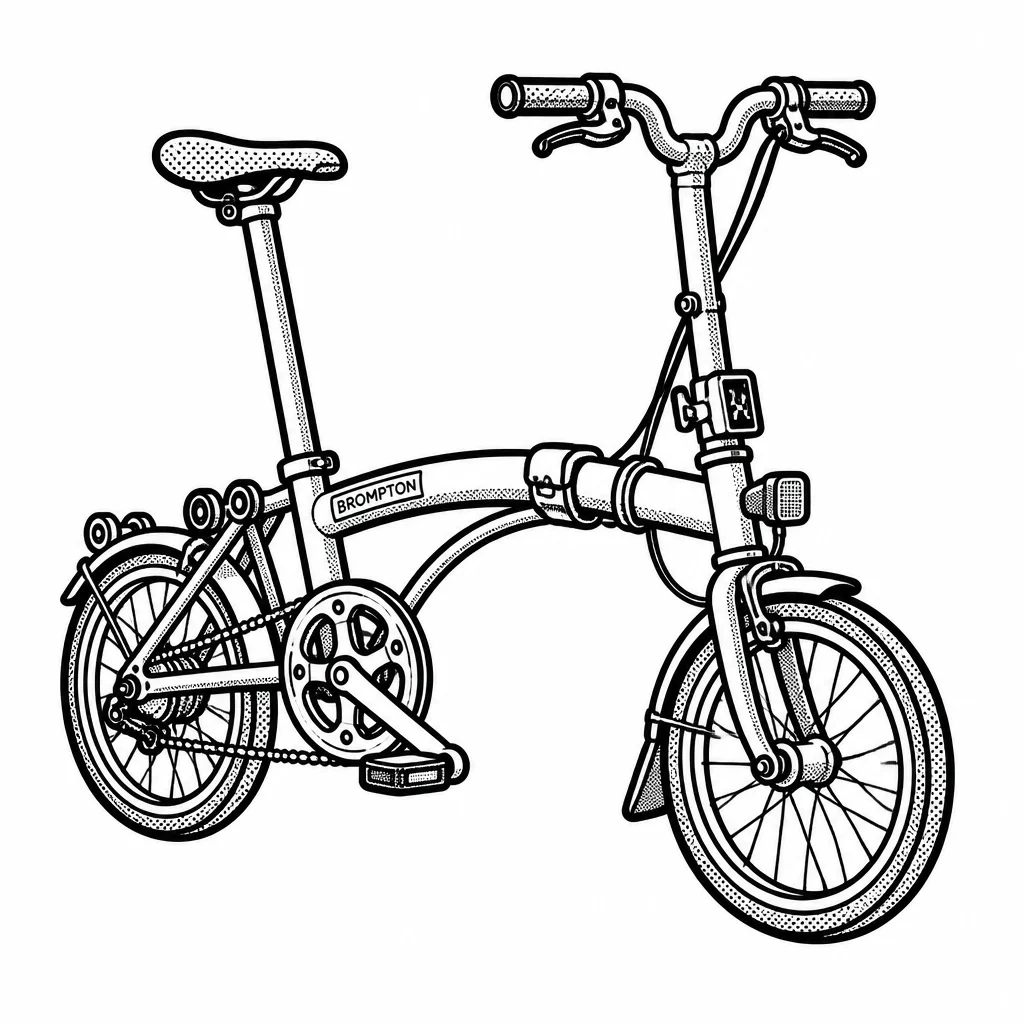
The company is unusual in that it still builds almost everything itself, in a factory in West London, rather than outsourcing to Asia like most of the bike industry. That keeps quality control tight and protects the brand, which matters because Brompton's customers are loyal and the resale values hold up unusually well. It also makes the bikes expensive to produce. Brompton sells through its own stores, a network of independent bike shops, and directly online, and it has been pushing into overseas markets like China, Germany, and the US, where folding bikes are a smaller niche but growing as cities get denser. Brompton stayed independent and family-controlled for decades, with founder Andrew Ritchie holding the reins and famously resisting outside money. That changed in recent years when the company took investment to fund expansion, including a new factory plan to roughly double production capacity. The bet is that the folding bike is no longer just a British commuting quirk but a genuinely global product as more people trade cars for trains and bikes in crowded cities.
The business is strong on brand and engineering but exposed on cost and scale: it is a small player competing against cheaper folding bikes from Taiwan and China, and its premium price depends on customers valuing the fold and the British-made story. It is a classic niche champion—small, profitable, and beloved by the people who get it—trying carefully to grow without losing what makes it special.
Saved answer · last researched 10 Nov 2026