Understand any stock in simple English
Enter a ticker to learn what the company does and how it makes money.
Giant Manufacturing Co., Ltd.
Giant designs and builds bicycles and electric bikes, plus the parts that go with them, and sells them through bike shops around the world.
Giant is one of the world's biggest bicycle makers. It builds road bikes, mountain bikes, kids' bikes, and a fast-growing line of electric bikes, then sells them through independent bike shops and its own stores in dozens of countries. If you've ridden a bike made by a major brand, there's a decent chance Giant actually built it.
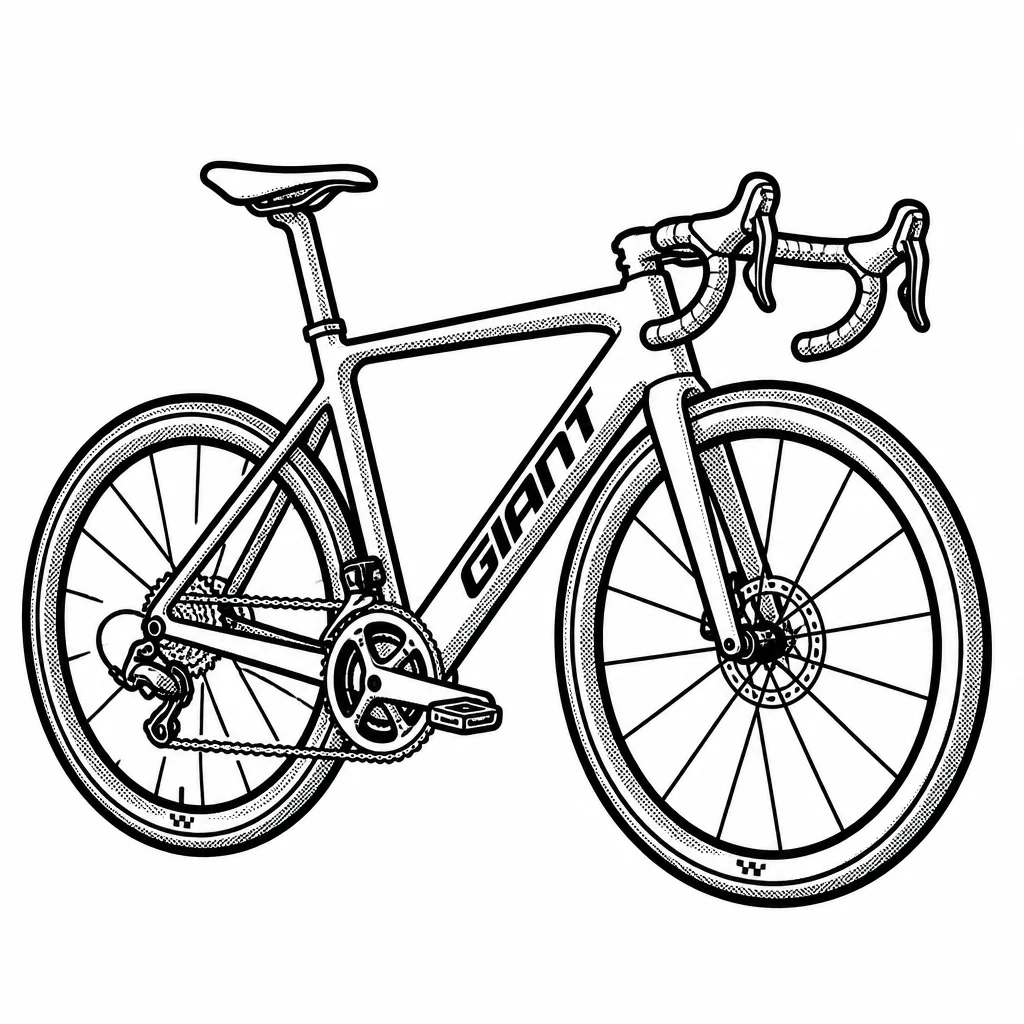
The business has two halves. One is its own brands — Giant, plus Liv for women and Momentum for city riders — which earn more money per bike because Giant controls the design and the brand. The other is contract manufacturing: Giant quietly builds bikes for other big bike brands, making money on volume even at thinner margins. It also sells the components and spare parts that keep bikes running, which brings customers back long after the first sale. Why do riders pay up? Mostly because Giant runs a real factory and a real engineering operation. It controls much of its own frame production, which helps it keep quality high and costs down. Its dealers like that they can stock a full range of bikes and get parts reliably. The competitive pressure is fierce — from Merida Industry in Taiwan and massive Chinese and Cambodian factories, and from direct-to-consumer brands that skip the bike shop entirely.
Giant's bet for the future is electric bikes, which carry much higher prices and have become a big growth driver, especially in Europe. The pandemic gave bike sales an enormous boost, then demand cooled and left the industry with too much unsold inventory — a hangover that hit Giant's sales and profits. The company is also one of the industry's more serious players on factory working conditions, publishing detailed audits of its suppliers, which matters to the big Western brands that put their names on its output.
Saved answer · last researched 14 Nov 2026
BIG PICTURE
Europe now brings Giant 42% of its sales, more than any other region
- 42% Europe
- 58% North America, China and other markets
Europe accounted for 42% of Giant's sales in the second quarter of 2026, the biggest slice of its business. That matters because Giant sells its own-brand bikes there, and those bikes earn gross margins of 26% to 28%, roughly double what it makes building bikes for other brands. A bike-mad continent paying premium prices is the engine behind the company's profit recovery. Source: Giant Manufacturing investor presentation (Quartr), data from 2026
Timeline
An Eel Farmer Starts Giant
King Liu was farming eels when a natural disaster wiped out his business in 1971. So the next year he tried something completely different: making bicycle parts in Taiwan. For a while the company was tiny, building under two thousand bikes a year for other brands and nearly going broke more than once. It had no name of its own that ordinary riders would ever know.
Giant Launches Its Own Brand
Building bikes that someone else's logo went on meant the company lived or died on other people's orders. So Giant started selling bikes under its own name, GIANT, at home in Taiwan, while still doing contract work on the side. It was a bet that a brand you own is sturdier ground than a customer's purchase order.
Schwinn Goes to China
Then came the scare. Giant's biggest customer, Schwinn, was 75% of its business, and Schwinn built a factory in mainland China. That order could shrink to nothing over five years. King Liu answered by committing fully to its own brand around the world, starting with the Netherlands and then the US, Germany, Italy, France, Japan and beyond.
Cadex Carbon-Fiber Bike
Giant had been quietly working on carbon fiber since 1985, and in 1987 it launched Cadex. It was the world's first mass-produced carbon-fiber road bike, where foreign models were costly and hand-built. That pointed the company into a whole new era built on composite materials.
The A-Team Alliance
In the 1990s China's cycling industry entered the global market, and Taiwan's makers risked being left behind as factories moved away. Giant invited rival Merida and parts makers to join forces as the A-Team. Competitors cooperated to turn Taiwan into a research and supply hub for high-end bikes, lifting the whole industry together.
Listed on the Taiwan Stock Exchange
Giant went public on the Taiwan Stock Exchange in 1994. The money raised gave its own brands room to grow steadily.
Sponsoring World Cup Mountain Bikers
Starting in 1995, GIANT put its name behind World Cup mountain bike racing teams, including riders like John Tomac and Rune Høydahl. The racing spotlight made the brand known around the world, and feedback from pro riders sharpened the company's engineering.
The First E-Bike, Lafree
Giant began researching electric-assisted bikes in 1996 and launched its first one, Lafree, in 1997. It was aimed at aging populations and worries about energy and the environment. Riders trusted it, and it began a whole e-bike line for the company.
The TCR Compact Frame
GIANT launched the TCR compact road frame in 1997, shrinking the front and rear triangles to make it stiffer and lighter. Rival brands rushed to copy the design, and it led the market for decades. Spain's Team ONCE rode it, beginning a long run of pro road racing success.
A New Generation Takes Over
On the first day of 2025, Young Liu became chairman and Phoebe Liu became CEO, the third leadership team in the company's history. Their priorities were clearing inventory, fixing sales channels and getting closer to customers. The growth bets included factory automation, new plants in Hungary and Vietnam, the Liv and CADEX lines, e-bikes and recycling and ESG efforts.
US Customs Blocks Giant Bikes
In September 2025, US Customs and Border Protection issued a withhold release order against Giant over alleged forced labor, blocking Taiwan-made bikes and parts from entering the US. Giant said only Taiwan-made products for the US were affected, appealed, and pointed to its zero recruitment fee policy from the start of that year. The stock fell below NT$100 to a 15-year low, and the order was estimated to cut revenue by about 4 to 5%.
Giant's Worst Year and a Comeback Plan
2025 turned out to be the least profitable year in the company's 49-year history, with revenue at a seven-year low of about NT$60 billion. Giant set three strategies: adjust the production structure, optimize where it makes things, and shift products toward lower price points. It set its sights on China's e-bike market after new national standards took effect in November 2025, hoping to go from 7,000 units in 2025 to 80,000 in 2026, and expanded Vietnam production to serve the US.