Understand any stock in simple English
Enter a ticker to learn what the company does and how it makes money.
Shimano Inc.
Shimano makes bicycle parts like gears and brakes, fishing tackle, and rowing equipment, and sells them to bike makers and sports enthusiasts around the world.
Shimano is the company that makes the parts on a bike that make it stop, shift, and pedal smoothly. If you ride a bike with gears that click cleanly and brakes that grab without drama, there's a good chance Shimano made them. The company sells its parts mostly to bicycle manufacturers, who bolt them onto new bikes, rather than directly to riders, though it also sells replacements and accessories. Outside bikes, it makes fishing reels and rods, and rowing equipment, serving people who like to catch fish or pull oars.
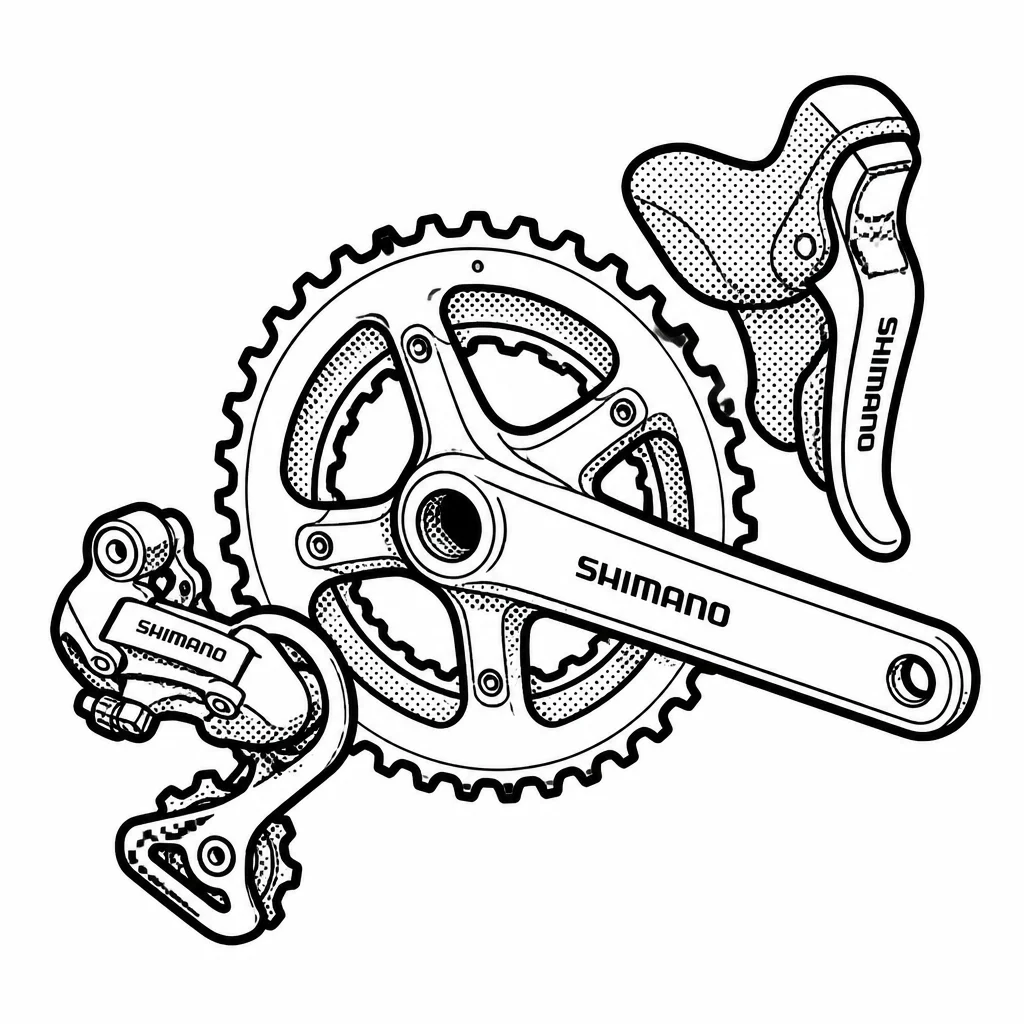
The bicycle business is the big one, and its strength comes from being the default choice for serious riders. Shimano builds groupsets — the matched sets of derailleurs, shifters, cranks, and brakes that work together — and sells them at many price points, from basic commuter bikes to the top-tier racing gear you see under professional teams. This matters because bike makers want parts that are reliable, widely available, and easy to service. Shimano's name on a rear derailleur tells a buyer the bike won't leave them stranded. The main rival at the high end is SRAM, a private US company, so competition is real but concentrated. Fishing tackle is the second leg. Shimano makes reels and rods that compete with brands like Pure Fishing and Daiwa, though it is not the market leader in every region. Rowing equipment is a smaller niche, sold to crews and clubs. Together these non-bike businesses smooth out some of the swings in bike demand, which is cyclical and sensitive to what dealers have sitting in warehouses. The company is headquartered in Sakai, Japan, and its parts are made in factories across Asia. One thing worth knowing: Shimano has a division that makes the machinery and tooling used in its own factories, which gives it unusual control over how its parts are produced. That kind of vertical integration is rare in consumer products and helps explain why its components are so consistent. Recent years brought a boom during the pandemic bike craze, then a painful hangover as dealers worked through excess inventory — a reminder that even a dominant parts maker is not immune to the supply chain whiplash that hits the bicycle world.
Shimano is a steady, profitable company that pays dividends and buys back shares, though its stock moves with the health of the bike market. Its real edge is trust: riders and bike makers have relied on the same shifting systems for decades, and that habit is hard to break.
Saved answer · last researched 14 Nov 2026