Understand any stock in simple English
Enter a ticker to learn what the company does and how it makes money.
Wärtsilä Oyj Abp
Wärtsilä makes and services the big engines and power systems that keep ships moving and power grids stable.
Wärtsilä builds the giant engines that push ships across the ocean and the power plants that keep electricity flowing when the grid needs a hand. If you've ever seen a massive cargo ship or a cruise liner, there's a good chance a Wärtsilä engine is humming away inside it. The company is Finnish, based in Helsinki, and it has been in the marine business for nearly two centuries.
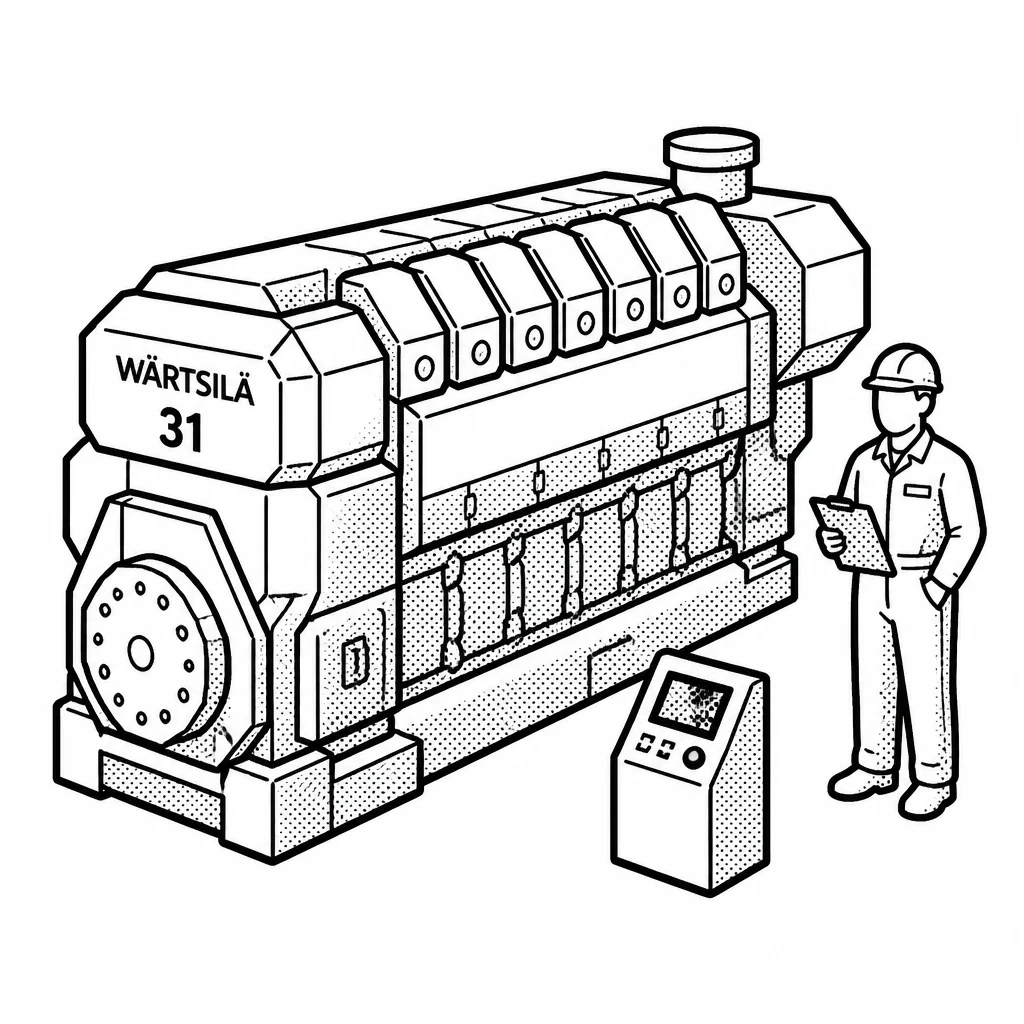
The business splits into two main parts. Marine systems cover engines, propulsion, and the digital gear that helps ships run efficiently, and the company also services those engines for decades after they're installed—that service work is steady and reliable. The energy side builds power plants, increasingly using gas and battery storage, that utilities and factories buy to generate electricity quickly or to back up their grids. Wärtsilä earns money both from selling the equipment and from the long tail of maintenance and parts, which is the quieter, more dependable half of the story. The big theme driving the company now is the shift to cleaner fuels. Shipping is under pressure to cut emissions, and Wärtsilä is betting on engines that can run on methanol, ammonia, and other low-carbon fuels, plus battery hybrids that smooth out power. That transition is a real opportunity but also a risk, because it depends on shipowners and utilities actually spending money to upgrade. Competition comes from engine makers like MAN Energy Solutions and Caterpillar, and the power side faces rivals like General Electric and Siemens Energy. Wärtsilä's edge is its installed base—tens of thousands of engines worldwide that it already knows how to fix.
The company pays a steady dividend and invests in research to stay ahead on fuel technology. It's a cyclical business tied to shipping and energy investment, so orders can swing sharply with the economy. But the service backlog gives it a cushion, and the bet on greener engines positions it for the rules that are coming. It's a solid, unglamorous industrial company that quietly keeps a lot of the world's trade and power moving.
Saved answer · last researched 9 Nov 2026