Understand any stock in simple English
Enter a ticker to learn what the company does and how it makes money.
Siemens Aktiengesellschaft
Siemens makes the machines, software, and trains that keep factories running, power grids stable, and hospitals working.
Siemens is the company that quietly makes modern life run. It builds the factory robots and control software that let a car plant or a brewery automate its production line, the gear that keeps electricity flowing across power grids, the trains and signaling systems that move millions of commuters every day, and the scanners and lab equipment hospitals use to diagnose patients. Most people never touch a Siemens product directly, but the infrastructure around them often runs on one.
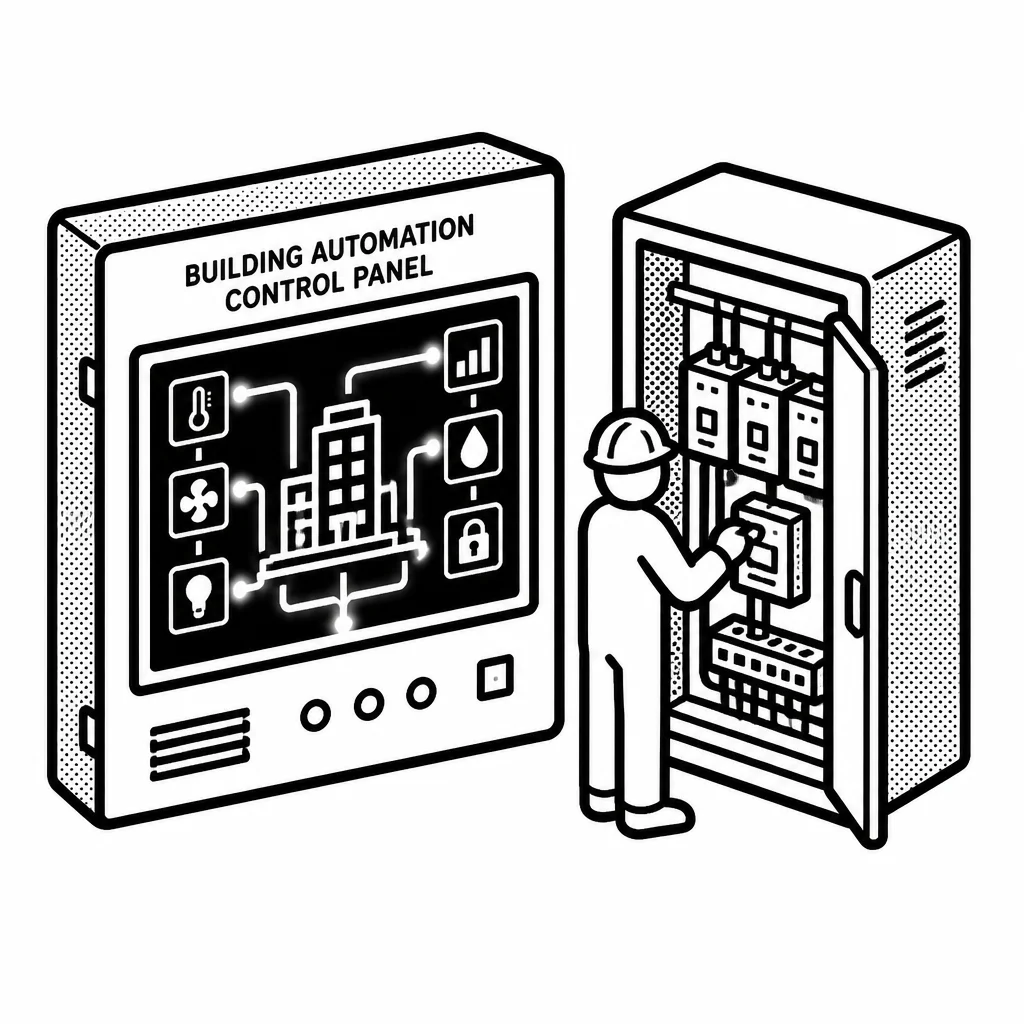
The business is split into a few big pieces, and the logic behind them is similar. Its automation and digitalization arm sells the brains and hardware for factories and process industries — controllers, drives, industrial software — to manufacturers who need to produce more with fewer people and fewer errors. Its smart infrastructure unit sells the equipment that powers and protects buildings and electrical grids, a business that gets more valuable as data centers multiply and grids strain under new demand. Mobility supplies trains, trams, and rail automation, mostly to governments and transit authorities on long contracts. And Siemens Healthineers, its separately listed healthcare arm, makes MRI and CT scanners and diagnostic tests, selling to hospitals worldwide. Customers choose Siemens because its gear is engineered to run for decades, and once a factory or rail network is built around Siemens systems, ripping them out is painful and expensive. That installed base creates steady, recurring revenue from service, spare parts, and software updates long after the initial sale. On the flip side, it is a giant, mature industrial company with heavy exposure to government spending, long sales cycles, and a sprawling structure that critics have long said buries value. Management has spent years slimming it down — spinning off its energy business as Siemens Energy and separately listing Healthineers — to make the remaining company faster and more focused.
Siemens is headquartered in Munich and is one of Germany's flagship industrial names. It generates well over €70 billion in annual revenue and returns a lot of cash to shareholders, but it also spends heavily on research and bolt-on acquisitions in software, where it competes with players like Rockwell Automation and Schneider Electric. The big question hanging over it is whether all that automation and electrification demand — driven by AI data centers, factory reshoring, and the energy transition — turns into growth fast enough to justify the conglomerate's complexity. Siemens has survived nearly two centuries by being the supplier everyone needs but nobody notices; the bet is that this keeps working.
Saved answer · last researched 12 Nov 2026