Understand any stock in simple English
Enter a ticker to learn what the company does and how it makes money.
Whitehaven Coal Limited
Whitehaven Coal mines coal in Australia and sells it to steelmakers and power plants, mostly in Asia.
Whitehaven Coal digs coal out of the ground in New South Wales, Australia, and sells it to buyers overseas. Its mines produce two kinds of coal. Metallurgical coal, often called coking coal, is baked into coke and used to make steel. Thermal coal is burned in power stations to generate electricity. Most of Whitehaven's customers sit in Asia — Japan, South Korea, Taiwan, India and elsewhere — where steel mills and utilities need a steady supply of the stuff.
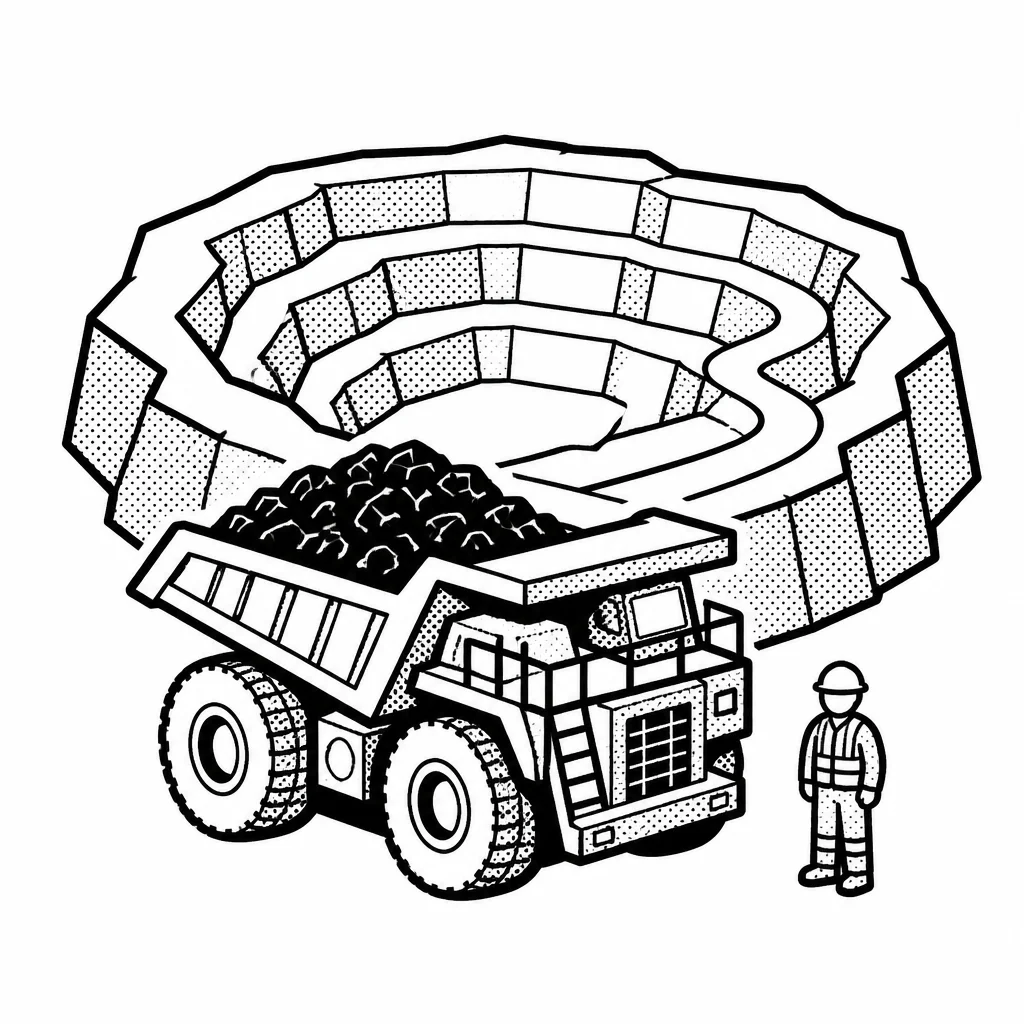
The business is simple at its core: pull coal from the ground, wash and sort it, then load it onto ships. Whitehaven owns and runs the mines and keeps the profit from selling what comes out. It does not burn the coal itself; its customers do. Its edge comes from owning large, low-cost mines close to ports, which lets it sell into seaborne markets at prices set globally. When coal prices are high, the company makes a lot of money, and when they crash, so do its profits. That swing is the whole story of a coal miner. One thing to understand is why anyone still buys this fuel. Steelmaking has few cheap alternatives at scale, so coking coal remains in demand even as rich countries try to cut emissions. Thermal coal is the more controversial half, since power stations are exactly what climate policies target. Whitehaven expanded in 2024 by buying the Blackwater and Daunia metallurgical coal mines from BHP and Mitsubishi, a deal that roughly doubled its size and shifted its mix toward steelmaking coal. It also agreed to sell a stake in Blackwater to Nippon Steel and JFE Steel, keeping partners on board.
All of this puts Whitehaven in an awkward spot. It generates real cash and pays dividends when prices cooperate, but its long-term future rests on a fuel the world is trying to use less of. Its share price rides on coal prices, Chinese and Indian demand, and global climate policy rather than on anything the company controls. That makes it a bet on coal staying needed — profitable today, uncertain tomorrow.
Saved answer · last researched 12 Nov 2026